Read More





Amber rainstorm warning issued at 11am
8 hours ago





Man steals $22,000 Chanel handbag from Tsuen Wan Plaza shop
03-04-2026 20:43 HKT


Iran demands transit fees in yuan, stablecoins for Strait of Hormuz passage
03-04-2026 02:45 HKT


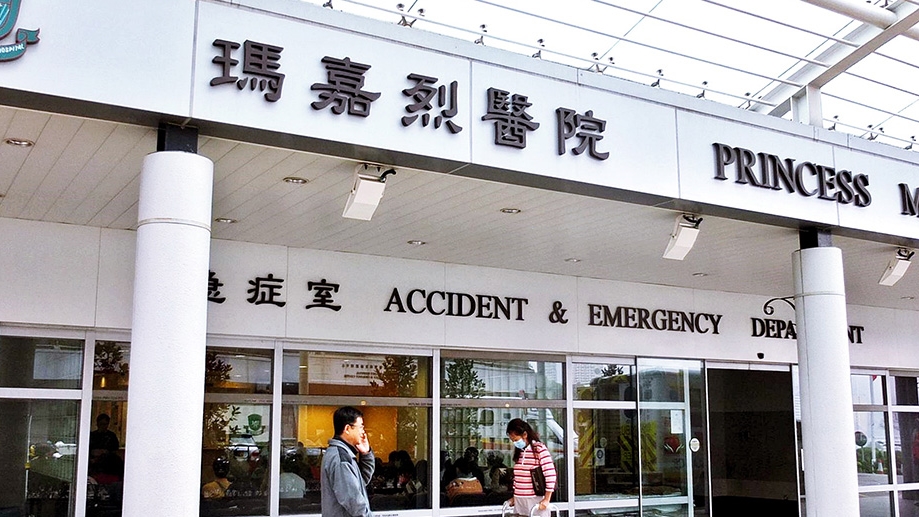
In February, three doctors from the oncology department of Princess Margaret Hospital developed acute gastroenteritis, with one passing away three days after the onset of symptoms. The Centre for Health Protection (CHP) detected group C rotavirus in tissue samples from the deceased doctor, though the direct link to the fatality remains unclear.
Professor Yuen Kwok-yung, an infectious diseases expert from the University of Hong Kong (HKU) who assisted in the investigation, revealed that another case—a woman whose stool sample tested positive for the same virus—has been identified. He described the pathogen as rare and suggested a possible low-level community outbreak, with undercooked food, particularly seafood like shellfish, being the most likely transmission source.
Speaking on a radio program Monday morning, Yuen explained that while group A rotavirus is commonly found in Hong Kong, this marks the city’s first recorded case of group C rotavirus.
Due to its rarity, most laboratories do not routinely test for it. However, the Hospital Authority will now screen for the virus in severe diarrhea cases, said Yuen.
The health expert said medical literature provides limited information on group C rotavirus, leaving its potential complications poorly understood, adding that further research and monitoring are needed to assess its virulence.
The HKU team reviewed 954 fecal samples submitted to laboratories in February from Princess Margaret Hospital and Queen Elizabeth Hospital, identifying the virus in a 29-year-old woman.
Yuen clarified that her infection was unrelated to the deceased doctor’s case. While both strains belong to the same genotype—similar to variants previously detected in Russia, Italy, and Japan, their genetic sequences did not match, ruling out a novel infectious disease.
However, since both patients fell ill in early February, Yuen believes this indicates a minor community outbreak.
He emphasized that consuming undercooked food, particularly seafood, is the most probable cause of infection, though exposure to separate imported cases cannot be ruled out.
Yuen urged the public, especially those aged 65 and above, individuals with prior stomach surgeries, chronic illnesses, or weakened immune systems, to practice strict kitchen and hand hygiene. Raw or undercooked seafood should be avoided.
For those experiencing acute gastroenteritis, he advised maintaining hydration and electrolyte balance. Antibiotics should only be considered in cases of high fever or bloody diarrhea.
He also warned against using non-steroidal anti-inflammatory drugs (NSAIDs), as they can damage the intestinal lining and worsen complications.
(Marco Lam)