Read More




Night Recap - April 3, 2026
11 hours ago









Iran demands transit fees in yuan, stablecoins for Strait of Hormuz passage
03-04-2026 02:45 HKT


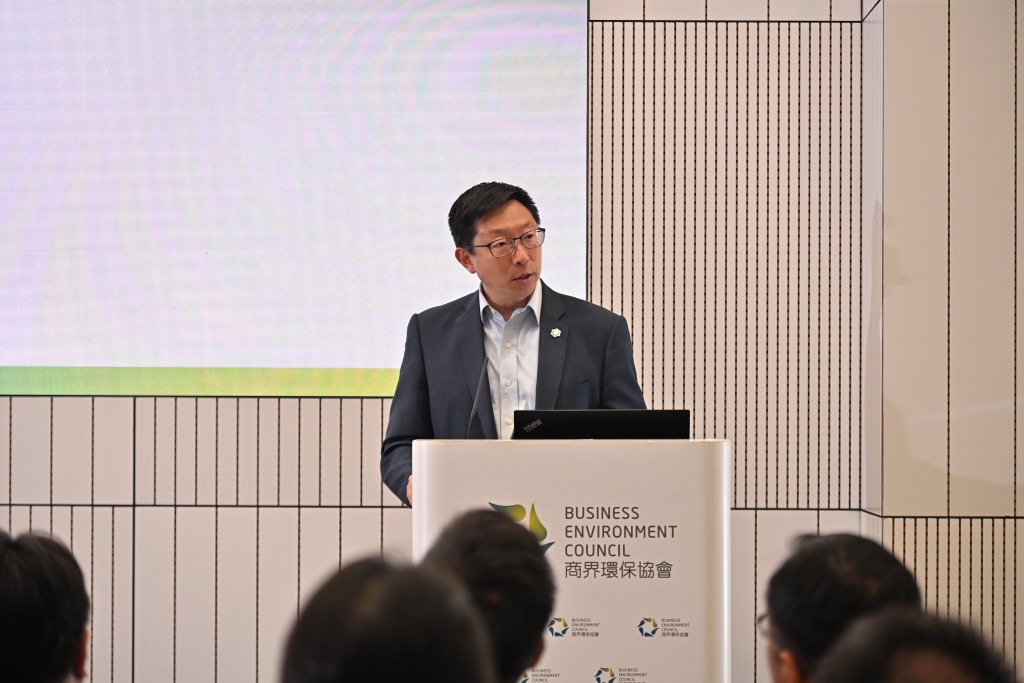
A new report from the Business Environment Council (BEC) has identified significant corporate interest in renewable diesel as a potential solution for reducing emissions in Hong Kong's transportation industry. The findings come at a time when authorities are under increasing pressure to modernize fuel policies and speed up the city's energy transition.
The six-month study, conducted in collaboration with industry partners such as Shell Hong Kong, found that renewable diesel—technically known as hydrotreated vegetable oil (HVO)—could potentially lower transport-related emissions by as much as 90 percent when compared to traditional diesel. Researchers noted that unlike conventional biodiesel, this advanced fuel alternative can be used in existing engines without modification and is gaining international acceptance, particularly for heavy-duty vehicles.
While the report noted enthusiasm from logistics companies and transport operators, it also identified several obstacles to broader implementation in Hong Kong. The research revealed that just three fueling stations currently offer renewable diesel, and existing regulations don't accommodate internationally recognized sustainability certifications. Additionally, many businesses reportedly lack understanding of the fuel's advantages or encounter difficulties obtaining consistent supplies.
BEC CEO Simon Ng stressed the need for prompt measures, stating that the research indicated Hong Kong's commercial sector was prepared to shift to more environmentally friendly fuel options. He emphasized that updating local standards to match global practices could quickly make this solution more accessible.

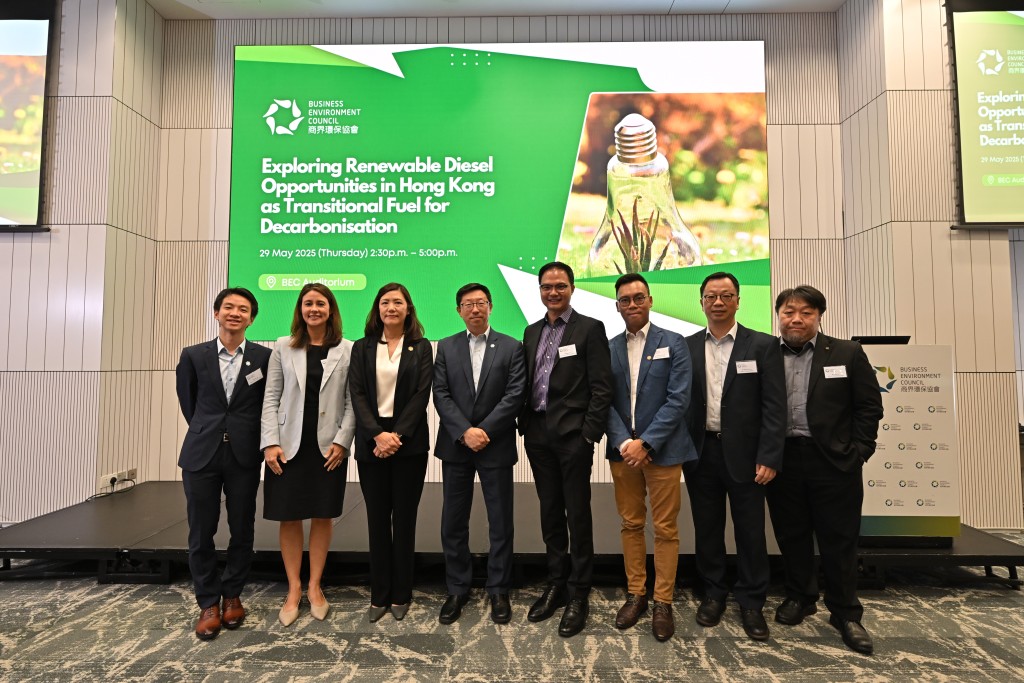
Industry executives shared similar views, with Shell Hong Kong's Managing Director Anne Yu pointing to successful trials with local trucking companies that demonstrated the fuel's practicality. She explained that renewable diesel delivered comparable performance to conventional diesel while significantly reducing emissions, though establishing reliable distribution networks and building market trust remained key challenges.
The study recommended a comprehensive strategy to promote adoption, featuring updates to regulations that would acknowledge international sustainability standards, experimental programs with large transportation companies, and creative approaches such as portable refueling systems. Experts highlighted that with the transport sector responsible for 20 percent of Hong Kong's total emissions, renewable diesel could serve as an important transitional solution during the development of electric vehicle infrastructure.
With the government currently working on revisions to its Climate Action Plan, environmental organizations are advocating for the inclusion of these research findings. Ng added that the implications extended beyond simply switching to cleaner fuel, touching on Hong Kong's opportunity to establish itself as a pioneer in sustainable logistics and fulfill its carbon neutrality pledges.
The complete research results can be accessed through BEC's official website.