
Read More






Former TVB show host Martin Lau reveals brain tumour journey
10-06-2026 12:00 HKT







Nine days of rain ahead as temperatures dip, Observatory says
09-06-2026 17:35 HKT
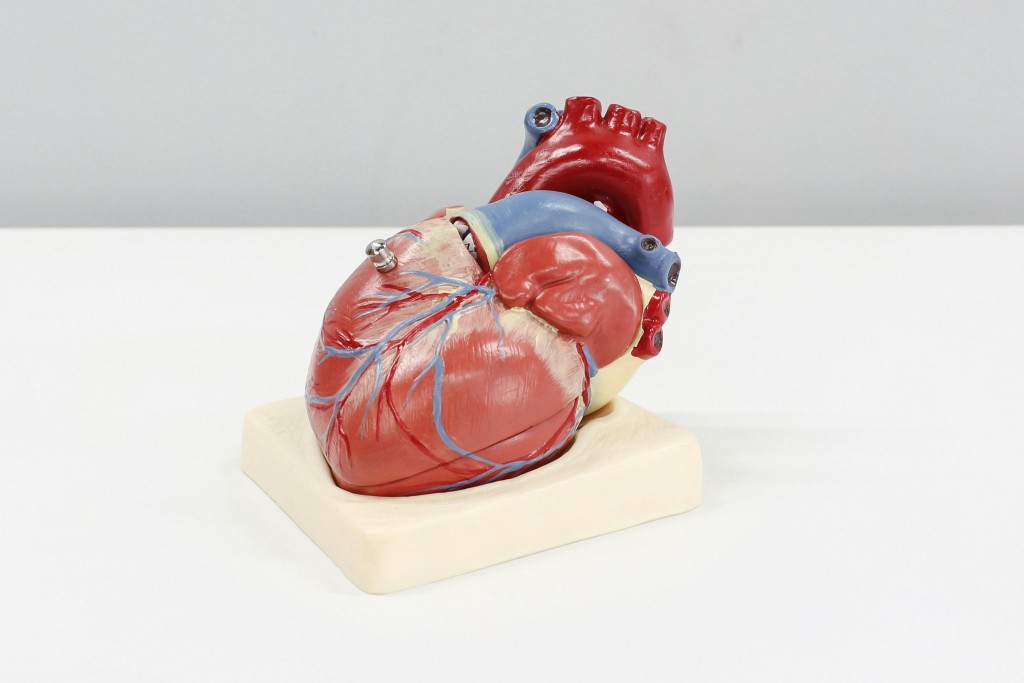
A patient found his heart enlarged (or what we call cardiomegaly) during annual checkup.
"What is that?' he wondered. "I don't have any symptoms! Is obesity causing an enlarged heart?"
An enlarged heart refers to a heart which is bigger than normal. That means the heart muscle becomes thickened or the chambers (ventricles)are being enlarged.
Why is that so? It is because our heart acts as a pump enabling blood circulation throughout the body. If there are heart problems, the heart has to pump harder and becomes enlarged.
In the case of dilated cardiomyopathy, the heart chambers become so over-stretched and thin that they cannot pump effectively.
Will the heart become stronger with an enlarged heart?
Of course not. An enlarged heart is a sign of underlying heart problems. If left untreated, heart functions will be weakened or even fail.
People with an enlarged heart may not have any symptoms until their conditions become more severe.
If patients experience shortness of breath, dizziness, abnormal heart rhythm, body swelling, pain in arms, chest, back, neck or jaw, it means the enlarged heart have already been developed for a period of time.
Root causes
Hypertension. It is the most common cause. Blood pressure is the pressure exerted by blood on the walls of a blood vessel. High blood pressure adds to heart's workload and leads to left ventricular hypertrophy.
Myocarditis. It is the complication during viral infections such as influenza virus or current Covid-19. If untreated, it will damage the heart muscle and lead to dilated cardiomyopathy (enlarged heart chambers).
Coronary artery disease (CAD). It will add to heart 's workload and lead to dilated cardiomyopathy.
Congenital heart disease. Patients with rheumatic heart disease may find their heart valves inflamed and become scarred over time. This can result in narrowing or leaking of the heart valve, making it harder for the heart to function properly.
Will an enlarged heart return to normal?
It depends on the causes and condition. An enlarged heart may be a temporary or permanent phenomenon.
If the enlarged heart is caused by myocarditis or pregnancy, the heart may return to normal with proper and timely treatment.
However, it will not bounce back in many cases. Prompt diagnosis and treatments to prevent further enlargement are needed.
Can an enlarged heart be treated?
It depends on the causes. Patients with hypertension should take medication such as anti-hypertensive medications to lower blood pressure.
Some people with myocarditis may need medications for a few months and then recover completely. People with coronary artery disease or congenital heart disease often need surgery.
There are several ways to reduce the risk of an enlarged heart. A low sodium, low sugar, low fat and high fiber diet is recommended.
Quit smoking and drinking to reduce the risk of developing heart diseases. Last but not least, exercising regularly (at least 150 minutes per week) can strengthen your heart muscle.
Your doctor will tell you what exercise is best for you.
Dr David Lo Ka-yip is a resident consultant in cardiology at the Hong Kong Adventist Hospital on Stubbs Road
(By David Lo)