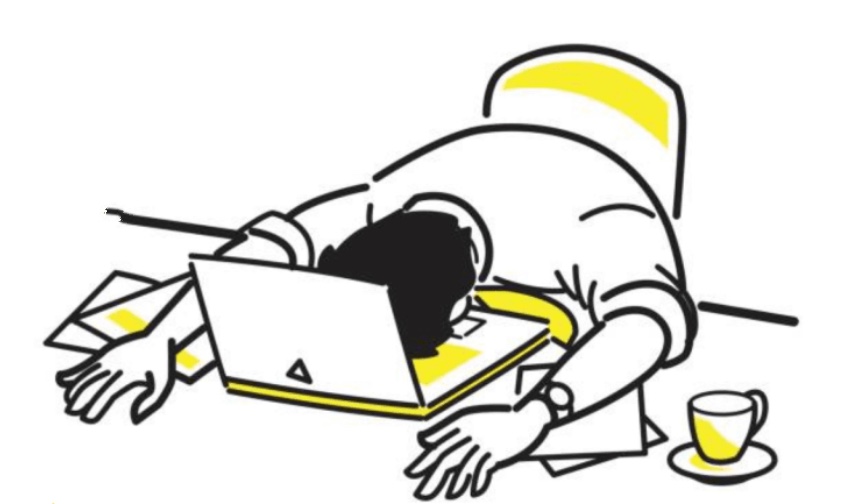
Many city dwellers suffer from chronic fatigue, often feeling tired and mentally foggy even after a full night's sleep. Experts share that chronic fatigue syndrome (CFS) may be linked to the Epstein-Barr virus (EBV), commonly known as the "kissing disease." In severe cases, it can trigger chronic fatigue, immune disorders, and even nasopharyngeal cancer. How can you prevent this "deadly kiss"?
6 Symptoms and 5 Causes of Chronic Fatigue Syndrome
Nutritional and Functional Medicine expert Dr. Liu Bo-ren recently shared a case on his Facebook page about a 35-year-old male patient who experienced abnormal daily fatigue, mental exhaustion, and persistent symptoms for over six months, including: waking up feeling like he hadn't slept, a "cotton-stuffed" feeling in his head, inability to focus on simple tasks, and continuous body aches.
Liu later diagnosed the patient with Chronic Fatigue Syndrome (CFS/ME) , a condition characterized by long-term, extreme fatigue that is not improved by rest and can last for months or even years. It is often accompanied by:
- Cognitive decline (brain fog, poor concentration)
- Unrefreshing sleep
- Sore throat
- Muscle pain
- Joint discomfort
- Worsening fatigue after activity (even doing housework can be exhausting)
Current medical research suggests CFS may be related to:
- Viral infections (e.g., EBV, CMV, human herpesvirus)
- Autonomic nervous system and hormonal imbalances
- Chronic stress and post-traumatic stress responses
- Sleep disorders
- Gut microbiota imbalance and chronic inflammation
Liu subsequently found significantly elevated EBV antibodies in the patient's body, indicating that his CFS was triggered by the Epstein-Barr virus.
What is the "Kissing Disease" (EBV)?
The "Kissing Disease," medically known as infectious mononucleosis, is caused by the Epstein-Barr virus (Human Herpesvirus 4) , which spreads through saliva—hence the name. Liu warns that sharing drinks, utensils, or toothbrushes can also facilitate transmission. Symptoms include:
- Fever
- Sore throat
- Swollen lymph nodes in the neck (making the neck appear swollen)
- Extreme fatigue, sometimes so severe that patients are bedridden for a week
EBV May Trigger Nasopharyngeal Cancer, Lymphoma, and Immune Disorders
Liu explains that over 90% of the global population has been infected with EBV at some point in their lives. Most people recover gradually, but the virus remains dormant in the body for life. When immunity is low, during periods of high stress or chaotic schedules, EBV can reactivate and potentially lead to:
- Chronic Fatigue Syndrome
- Infectious mononucleosis
- Nasopharyngeal cancer (rising EBV levels may indicate recurrence)
- Lymphatic system cancers (e.g., Burkitt's lymphoma, Hodgkin's disease)
- Autoimmune diseases (e.g., lupus, multiple sclerosis)
- Long COVID
6 Ways to Prevent EBV from Triggering Cancer and Chronic Fatigue
Liu notes that the EBV patient in his case saw rapid reduction in viral load and relief from chronic fatigue symptoms under high-dose nutritional supplementation and intravenous nutrition therapy. How can the public prevent EBV transmission in daily life? Dr. Liu offers 6 tips to prevent the virus from triggering nasopharyngeal cancer and immune disorders:
- Get Enough Sleep: Aim for 7–8 hours of sleep per night to support immune system repair. For those with sleep disorders, prioritize work-life balance and stress management.
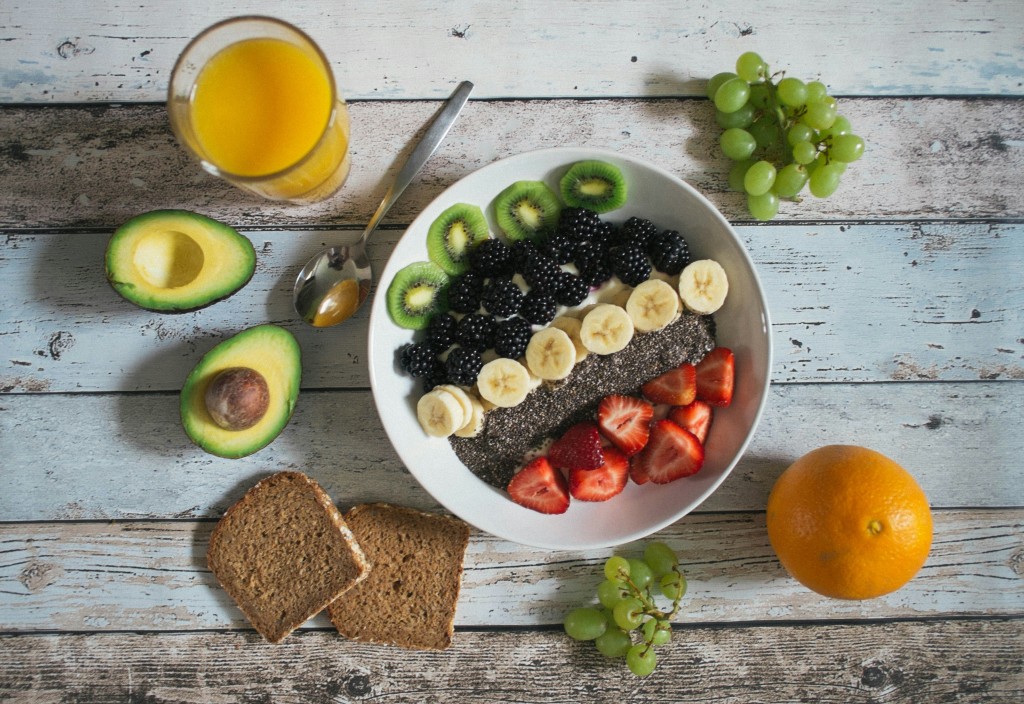
- Eat a Balanced Diet: Consume plenty of fresh fruits and vegetables, Omega-3 fatty acids, and antioxidant-rich foods daily.
- Exercise Regularly: Engage in exercise at least 3 times a week to boost natural killer cell activity.
- Reduce Stress: Practices like meditation, yoga, and listening to music can help balance the brain and immune system.
- Practice Good Personal Hygiene: Avoid sharing utensils, drinks, or toothbrushes. Refrain from kissing when someone is sick to prevent the "kissing disease."
- Supplement Key Nutrients: Nutrients like Vitamin D3, Zinc, Vitamin C, and probiotics support normal immune function, enhance immune system repair, and combat inflammation, helping to prevent EBV reactivation.
Traditional Chinese Medicine (TCM) Approach: Improving Chronic Fatigue with Herbs and Acupressure
According to information from Yan Chai Hospital, Chronic Fatigue Syndrome (CFS) increases the risk of certain cancers, including pancreatic, kidney, breast, oral, and pharyngeal cancers, with the strongest link to non-Hodgkin's lymphoma. Improving chronic fatigue can help reduce cancer risk. In TCM, CFS is similar to "deficiency exhaustion" and "depression syndrome," primarily caused by:
- External pathogenic factors (wind, cold, heat, dampness, dryness, fire), with dampness being most prominent.
- Emotional disturbances (joy, anger, worry, thought, grief, fear, shock).
- Overexertion, irregular diet, lack of sleep, and insufficient exercise.
These factors lead to Qi and blood deficiency or stagnation, resulting in organ dysfunction. Using medicinal and edible ingredients can help alleviate fatigue. Key ingredients fall into two categories:
- Qi-tonifying herbs: Astragalus, ginseng, American ginseng, Codonopsis, Pseudostellaria, Radix Fici Simplicissimae.
- Qi-regulating herbs: Cyperus, tangerine peel, Buddha's hand, rose.
2 Acupressure Points and Exercises to Improve Fatigue:
- Laogong (Pericardium 8): Located in the center of the palm, between the 2nd and 3rd metacarpal bones, where the middle finger tip touches when making a fist. This point can relieve fatigue, calm the mind, and benefit heart health. Especially suitable for mental fatigue, work stress, and chronic anxiety. Besides massage, clenching and relaxing fists coordinated with breathing can promote relaxation.
- Zusanli (Stomach 36): Located 3 cun below the depression lateral to the kneecap, one finger-width lateral to the anterior border of the tibia. This is a key point for strengthening the body, improving fatigue, and treating gastrointestinal issues. Suitable for those with sedentary lifestyles, irregular eating habits, weak muscles, and fatigue with minimal exertion. Besides massage, practice sitting leg raises: straighten the leg and hold with thigh strength for 10 seconds. Use resistance bands or ankle weights to increase difficulty.