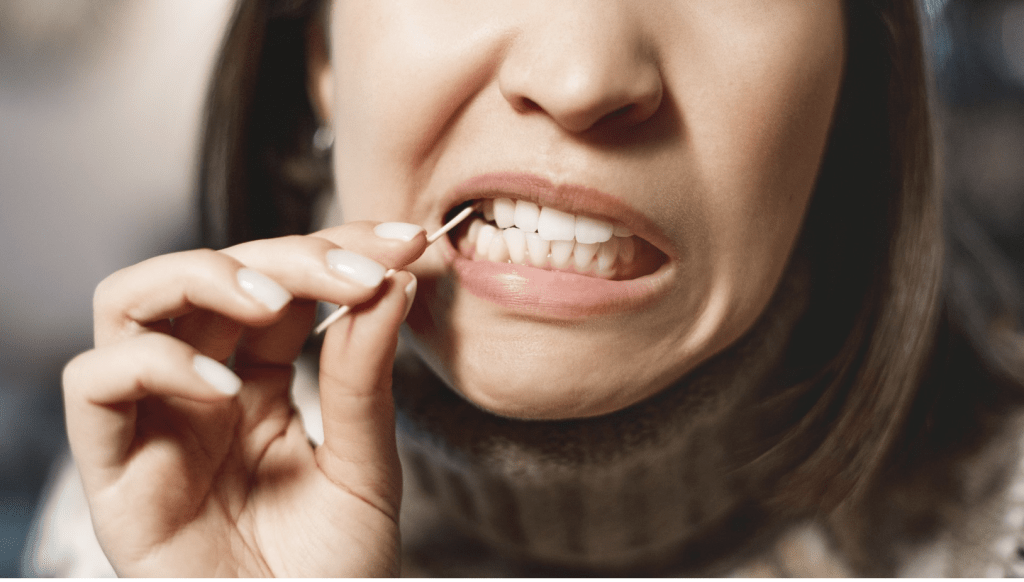
When eating, does food easily get stuck between your teeth? Experts warn that when food is prone to lodging in teeth gaps, forcibly prying it out with a toothpick can potentially enlarge those gaps. What steps should be taken to correctly handle food stuck between teeth?
Picking Food Stuck Between Teeth with a Toothpick Risks Gum Injury and Enlarged Gaps
Japanese media HALMEK UP reports that many people, as they age, find themselves experiencing "food stuck between teeth" more frequently than before. This is because gaps between teeth and gums are more prone to trapping food debris, forming a grime called "dental plaque." Since dental plaque feeds on food debris and is a colony of bacteria, it easily adheres to gaps between teeth and along the gumline.
If you often feel "food stuck between teeth," it indicates your oral environment is prone to plaque accumulation. If not addressed promptly, this can become the root cause of cavities, periodontal disease, and even bad breath. Why does plaque proliferate easily? It's related to changes in the oral environment due to aging and lifestyle habits:
- Weakened Chewing Force: Inability to fully grind food, leaving debris more likely to get stuck.
- Reduced Saliva Secretion: Decreased ability of saliva to wash over tooth surfaces and carry away debris.
- Gum Recession: Causes gaps between teeth to enlarge, making food more likely to lodge.
- Tooth Wear: Due to periodontal disease or teeth grinding habits, leading to worn teeth and altered shape.
Food Stuck Between Teeth? 3 Correct Handling Steps
"Food easily getting stuck between teeth" is a warning sign from your oral cavity, suggesting it's best to start with daily life to improve the oral environment. Research guided by Professor Atsuo Amano from the Osaka University Dental Research Institute shows that when food is stuck between teeth, the following correct method should be followed:
1. Use an Interdental Brush or Dental Floss
If food debris is lodged between teeth, prioritize using an interdental brush or dental floss to gently remove the food. If you feel resistance, slightly adjust the position and try again, avoiding excessive force.
- Remember to avoid using toothpicks to prevent injuring gums or causing gaps to widen.
2. Avoid Excessive Force When Brushing Daily
When brushing your teeth, avoid scrubbing too hard. Vigorous brushing can damage gums, worsening recession and gap issues.
- Consciously brush gently to clean tooth surfaces and gaps.
3. Regular Dental Check-ups
Regular dental check-ups allow for timely detection of plaque buildup and assessment of gum health.
- They can check whether old fillings or ill-fitting dental crowns are causing cleaning blind spots, helping prevent problems from worsening.
Cultivate Care Habits to Create an Environment Unfavorable to Plaque
Maintaining oral health hinges on creating an environment "unfavorable for plaque" accumulation, where "saliva" plays a crucial role. When saliva secretion decreases, teeth become more susceptible to staining, and plaque builds up more easily. Lifestyle habits to promote saliva secretion include:
- Thorough Chewing: Slow down during meals, avoid eating too quickly, and consciously increase chewing frequency to effectively stimulate saliva flow.
- Chew Sugar-free Gum: The act of chewing gum promotes saliva production, preventing dry mouth. Opt for gum containing xylitol, which helps maintain oral health.
- Hydrate Frequently: When the mouth is dry, plaque adheres more easily to teeth. Especially after meals or prolonged talking—times when the mouth is prone to dryness—drink water promptly to prevent oral dryness and maintain saliva secretion.