Winter is strawberry season. A doctor points out that strawberries are actually a fruit that is quite beneficial for women's overall health, and consuming them in moderation can bring four major health benefits. So, how can strawberries be effectively cleaned to remove pesticides?
Four Major Benefits of Strawberries: Can Breast Cancer Patients Eat More?
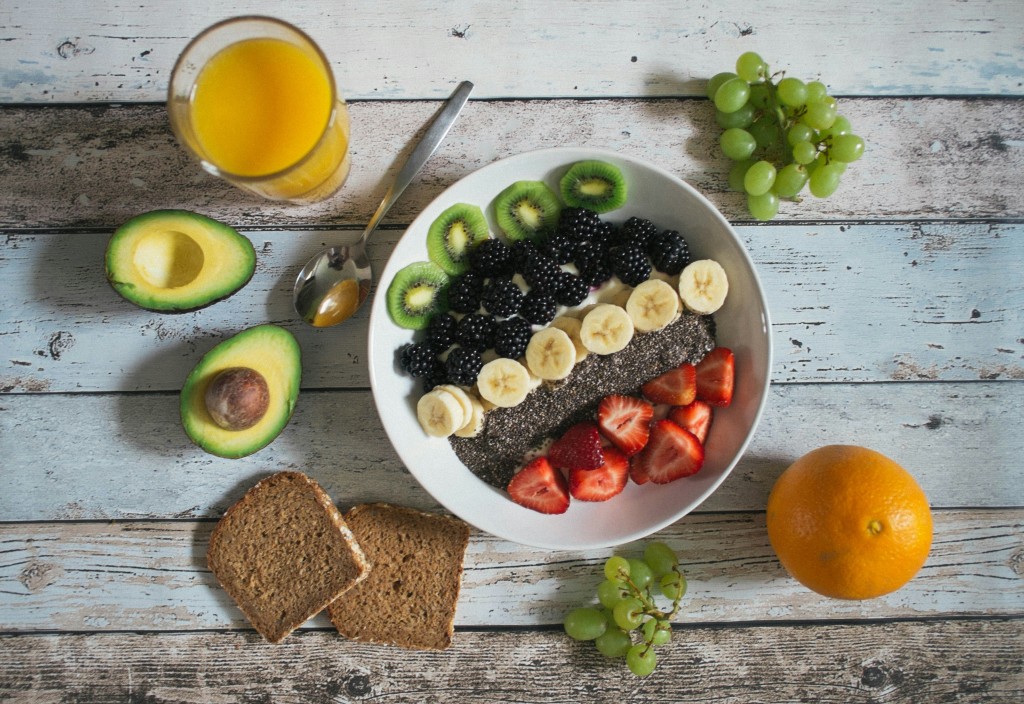
Breast surgeon Dr. Xu Ya-fen stated on her Facebook page that winter is the season for eating strawberries. Whether in local supermarkets or while traveling in Japan, strawberries and their products are always visible. In fact, strawberries are not only delicious but also rich in nutrients, positively impacting women's overall health, mainly offering the following four benefits:
- Rich in Various Antioxidants: Strawberries contain abundant antioxidants such as Vitamin C, polyphenols, and anthocyanins. These help reduce chronic inflammation and oxidative stress in the body, aiding in maintaining female hormonal balance and cardiovascular health.
- A Suitable Fruit Choice for Breast Cancer Patients: Strawberries are a low glycemic index (GI) fruit with relatively low sugar content, unlikely to cause sharp blood sugar spikes. For patients undergoing treatment or in recovery who need stable metabolism, weight, and blood sugar control, they are a relatively reassuring choice.
- Promote Gut Health and Estrogen Metabolism: Their rich dietary fiber not only aids intestinal motility but also helps the body metabolize and excrete excess hormones, which is crucial for women's long-term health.
- Low in Calories and High in Satiety: For those managing their weight or wishing to adjust their body shape after treatment, strawberries are a natural source of sweetness that doesn't easily burden the body.
Xu reminds that although strawberries have many benefits, their uneven surface can easily retain pesticide residues. They should be eaten after thorough washing, soaking, and removing the stem. If conditions permit, choosing organic strawberries is an option.
How Should Other Fruits and Vegetables Be Washed? Is Specialized Cleaner Recommended?
Regarding methods for washing fruits and vegetables, the Hong Kong Centre for Food Safety offers the following advice:
- Thoroughly rinse fruits and vegetables under running tap water.
- Fruits and vegetables with hard skins can be scrubbed with a clean brush to remove dirt and other substances from the surface and crevices.
- Soaking vegetables in water for 5 to 20 minutes can reduce some pesticide residues. However, soaking for longer provides relatively minimal additional benefit and may also lead to nutrient loss, especially water-soluble vitamins.
- It is not recommended to use soap, detergent, or specialized produce washes to clean fruits and vegetables, as they may become a new source of chemical residue.