Are certain fruits sold in supermarkets teeming with bacteria? A food chemist and a microbiologist have listed some foods they would absolutely never buy. Although these items are very common in supermarkets, they can be breeding grounds for bacteria like E. coli, Listeria, and Salmonella. Consuming them can easily lead to food poisoning and may even be fatal.
According to a report by the British media Daily Mail, food chemist Bryan Quoc and microbiologist Kali Kniel have identified 3 types of very common supermarket foods that are susceptible to contamination by bacteria such as E. coli, Listeria, and Salmonella, potentially causing food poisoning and even posing fatal risks. Therefore, they absolutely refuse to buy these items.
What Supermarket Foods Are Prone to Bacterial Contamination?
1. Pre-Cut Fruit
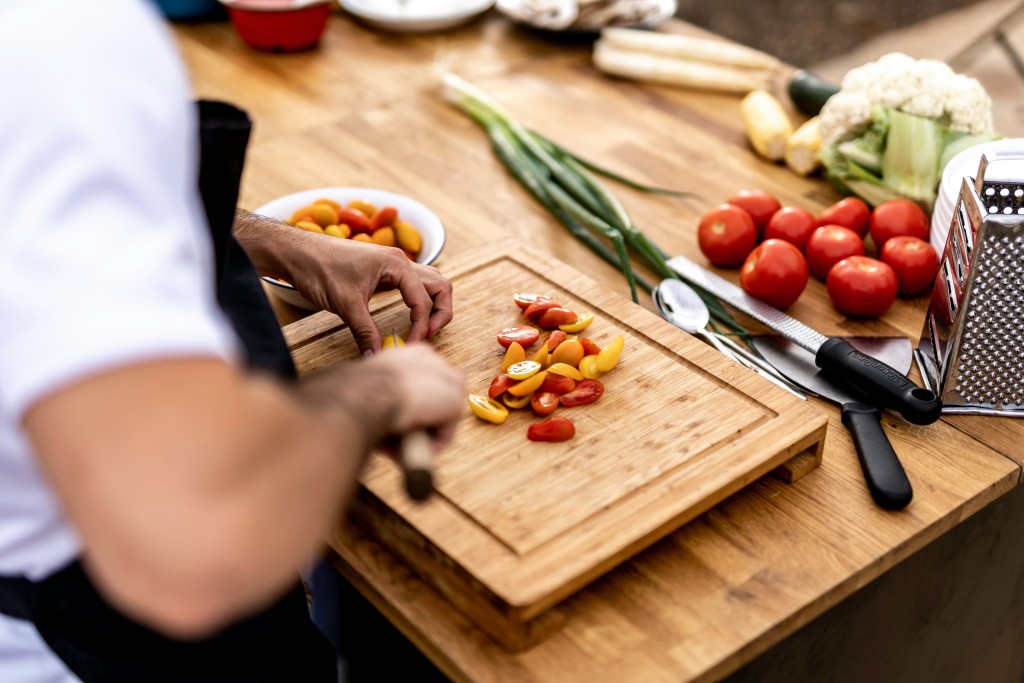
Food chemist Bryan Quoc points out that pre-cut fruits like mango, melon, and pineapple are more likely to contain harmful bacteria such as E. coli than whole fruits. This is because their protective skin has been removed, exposing the moist, soft flesh, which creates an ideal breeding ground for pathogens.
Hong Kong's Centre for Food Safety reminds consumers to purchase pre-cut fruit from hygienic and reputable stores and to only buy properly refrigerated, ready-to-eat pre-cut fruit. If not consumed immediately, cut or peeled fresh fruit should be stored at 4°C or below and eaten within 1 to 2 days.
2. Sprouts
Microbiologist Kali Kniel states that sprouts, commonly found in salads, soups, and sandwiches, may harbor dangerous pathogens like E. coli, Listeria, and Salmonella. Sprouts thrive in warm, humid environments for germination, which are also the perfect conditions for bacterial growth.
Moreover, due to the intricate nature of the sprouting process, it is very difficult to adequately sanitize sprouts to eliminate all potential Salmonella. Infection with Salmonella can cause diarrhea, stomach cramps, vomiting, and fever. In severe cases, it can lead to dehydration and may even be life-threatening.
A U.S. study even indicates that a single seed can harbor up to 1 billion microorganisms within three days of sprouting. Unless thoroughly cooked, there is a risk of food poisoning.
3. Raw Milk
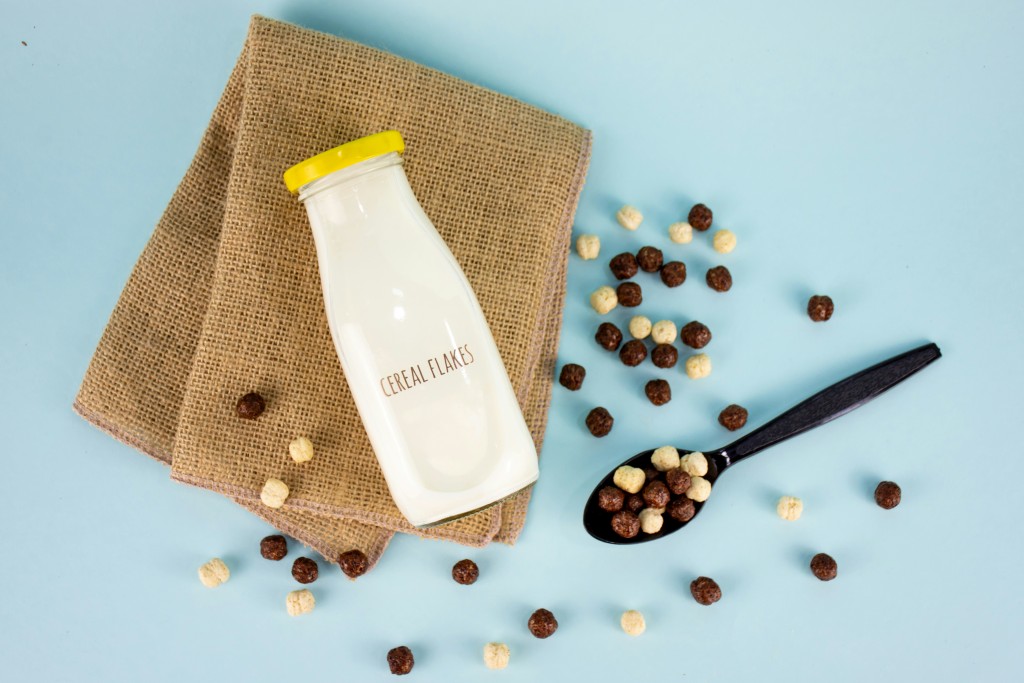
Raw milk is milk that has not undergone pasteurization or ultra-high temperature (UHT) treatment. Some people believe raw milk retains more nutrients, including enzymes, vitamins, and beneficial gut bacteria. However, Bryan Quoc warns that it also contains many live pathogenic microorganisms, making it not worth the risk to drink.
The Centre for Food Safety notes that raw milk refers to untreated animal milk (e.g., cow's, sheep's, or goat's milk) that has not been heat-treated for sterilization. Raw milk can be contaminated with bacteria from various sources (e.g., infected animals or the dairy farm environment). Unpasteurized raw milk may carry pathogens like Listeria and Salmonella, which can cause various foodborne illnesses, posing particular danger to young children, the elderly, pregnant women, and individuals with weaker immune systems. Besides the higher food safety risk associated with drinking raw milk, cheeses made from raw milk contaminated with harmful bacteria have also been the cause of food poisoning incidents.
Salmonella and Listeria Infections Can Severely Lead to Dehydration and Sepsis
The Centre for Food Safety and the Centre for Health Protection remind the public that Salmonella, Listeria, and Shiga toxin-producing E. coli (STEC) are common bacteria causing food poisoning.
Salmonella
- Commonly contaminated food sources:
- Undercooked meat, meat products, poultry, unpasteurized milk, raw eggs, and egg products (e.g., custard).
- Common symptoms:
- Vomiting, diarrhea, and abdominal pain, possibly with fever.
- If not treated promptly and appropriately, severe and potentially fatal complications such as dehydration and sepsis may occur, although these are very rare.
Listeria
- Commonly contaminated food sources:
- Contaminated, uncooked foods like vegetables and raw meat.
- Refrigerated ready-to-eat and frozen foods, such as cold meats, pâtés, prepared and stored salads, raw seafood, smoked seafood, unpasteurized milk, and foods made from unpasteurized milk.
- Common symptoms:
- Usually include fever and headache, sometimes with gastrointestinal symptoms like nausea, vomiting, and diarrhea.
- Some patients may develop severe complications such as meningoencephalitis or sepsis.
- Pregnant women, newborns/young children, the elderly, individuals with chronic illnesses, or those with weakened immune systems are at higher risk.
- Pregnant women infected with listeriosis may often have no or only mild symptoms but can transmit the bacteria to the fetus or newborn, potentially leading to miscarriage, stillbirth, premature birth, or causing sepsis or meningitis in the newborn.
Shiga Toxin-Producing E. coli (STEC)
- E. coli is a bacterium commonly found in the intestines of humans and warm-blooded animals. Most strains are harmless, but certain strains, like STEC, can produce potent toxins and cause serious foodborne illnesses.
- Commonly contaminated food sources:
- Raw or undercooked minced meat, contaminated fruits and vegetables, unpasteurized dairy products, etc.
- Contaminated drinking water.
- Common symptoms:
- Abdominal pain and diarrhea, even hemorrhagic diarrhea. Fever and vomiting may also occur.
- In a small number of patients, the infection may develop into life-threatening complications, such as Hemolytic Uremic Syndrome (HUS) leading to kidney failure in young children.
- People of any age can be infected. Although young children and the elderly are more likely to develop severe illness, even healthy older children and adults can experience serious infections.