





Read More




HKU finds Baloxavir reduces household flu transmission
24-04-2025 16:42 HKT







Six senior counsel appointed
31-03-2026 13:54 HKT

Approval granted for Kai Tak’s six-stop Smart & Green Mass Transit System
31-03-2026 16:27 HKT


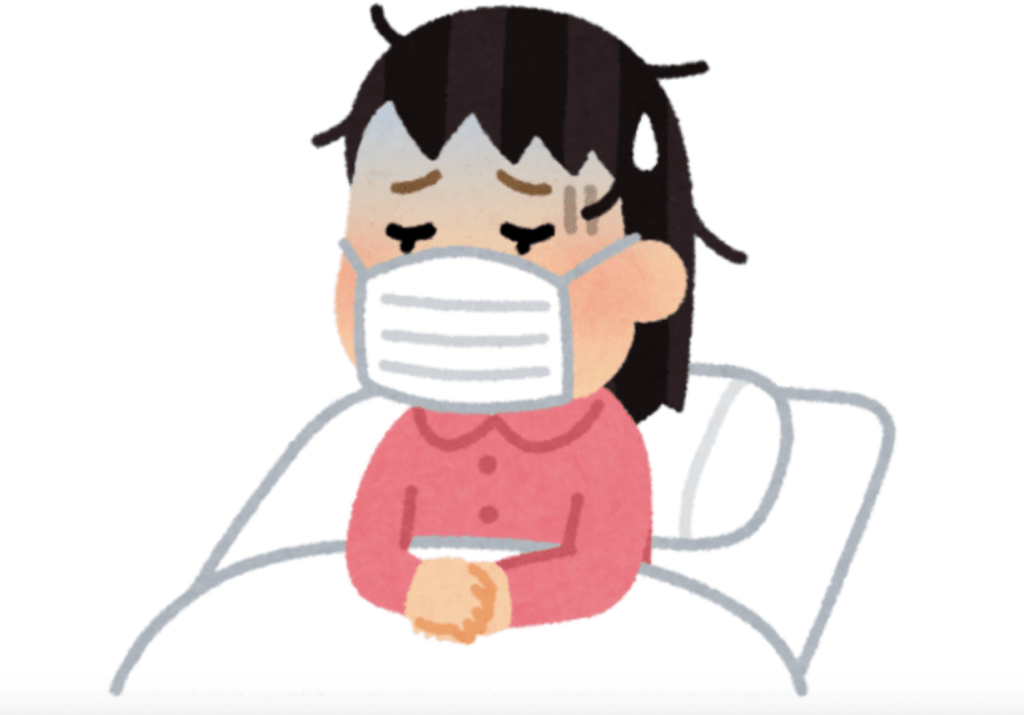
Can getting the flu also increase your risk of cardiovascular disease? Research has found that within one month after a flu infection, a patient's chance of having a myocardial infarction increases significantly, and the risk of stroke can surge by up to five times. A doctor advises that if eight specific symptoms appear after a flu infection, they could be warning signs of cardiovascular disease, and immediate medical attention should be sought.
Internal medicine physician Dr. Fu Yu-cheung stated on his Facebook page that many people generally believe there is nothing to be worried about after recovering from the flu. However, the latest research confirms that the one-month period following a flu infection is a "high-risk period" for heart disease and cerebrovascular disease. Besides the influenza virus, infections with other viruses like shingles (herpes zoster), Hepatitis B and C, and even RSV are also associated with an increased long-term risk of cardiovascular disease. The related research was published in the Journal of the American Heart Association in November this year.
This research, by integrating and analyzing 155 relevant literature pieces, found that infections with different viruses all increase the risk of heart and cerebrovascular events:
The study also pointed out two pathways through which viral infections trigger cardiovascular events:
The research shows that even without risk factors like hypertension, diabetes, or smoking, young people can still suffer sudden strokes or myocardial infarctions shortly after being infected with the flu or COVID-19. The key lies in the fact that the inflammatory response is a systemic event. When the body is attacked by a virus, it leads to increased blood viscosity and constriction of blood vessels, making the heart and brain instantly bear pressure beyond the norm.
The authors of the study particularly emphasized that actively preventing flu and other viral infections is itself an important part of cardiovascular disease prevention. The protective effect of vaccination does not come from the virus components themselves but from the stable response generated after the immune system is 'trained'. They recommend vaccination to reduce related risks:
Fu reminds everyone that winter is the high-incidence season for respiratory infectious diseases. Influenza, RSV, adenovirus, and even pneumococcus often circulate simultaneously. If these infections and cardiovascular events like stroke and heart disease have a superimposed effect, health risks are amplified.
Many elderly people often mistakenly believe that if they already have heart disease, they are not suitable for vaccination. But the reality is exactly the opposite; cardiovascular disease patients are the group most in need of vaccine protection because a viral infection can significantly increase the heart's burden and prolong the recovery period.
Fu stated that if the elderly develop the following symptoms within one to four weeks after infection, they should seek medical attention immediately and not delay for observation. These signs are often not simply a lingering cold but important warnings of heart or cerebrovascular disease:
Influenza A / Influenza B – Which Has the Highest Mortality Rate?
According to the Department of Health, seasonal influenza is an acute respiratory disease caused by influenza viruses. There are three known types of seasonal influenza viruses that infect humans: A, B, and C. Influenza A and B account for the majority of infections, and over the years, flu outbreaks are usually associated with type A viruses.
The Department of Health states that the peak flu season is generally from January to March each year, and sometimes in April and July to August. Most people can recover on their own after getting the flu. Those with milder symptoms should get plenty of rest and drink lots of water. If flu symptoms appear, one should not go to work or school. If symptoms persist or worsen, seek medical consultation immediately.