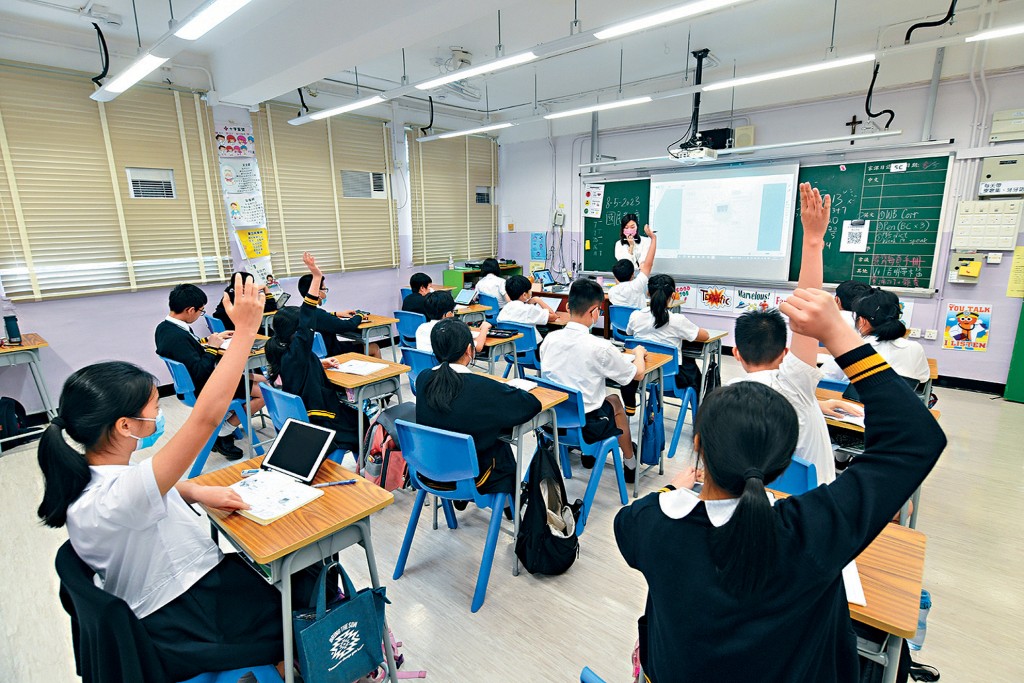
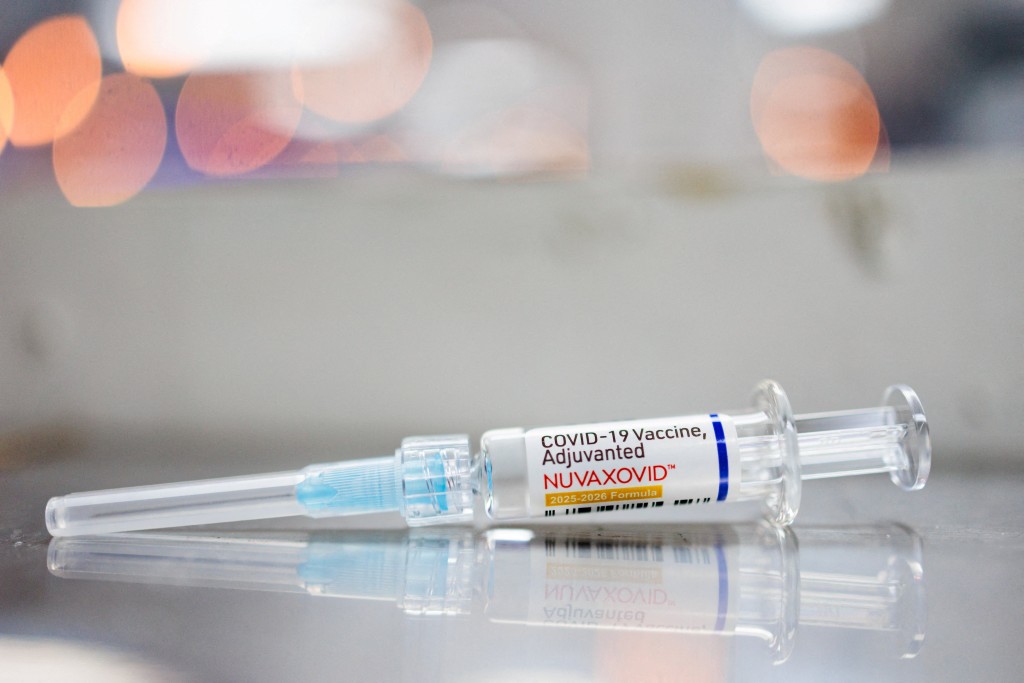
Parents should vaccinate their children, especially since only 14 percent of the high-risk group aged six months to 2 years has received the flu vaccine which is insufficient to establish an immune barrier, according to respiratory expert David Hui Shu-cheong from the Chinese University of Hong Kong.
His comments followed at least 18 severe paediatric influenza infection cases recorded in the city this summer, with patients aged 11 months to 17 years old, including two fatal cases.
Speaking on a radio program on Sunday, Hui noted that Hong Kong entered the summer flu season in late August and reached the peak in mid-October.
He expected the flu activity to gradually recede by the end of November or at the latest by early December, although the drop this year may be slower than the usual six to eight weeks due to cooler weather.
Hui urged the vulnerable groups to get vaccinated promptly as the winter flu period is expected to start between January and March next year.
While the severe paediatric influenza infection cases marked an increase compared to 2023, Hui said the numbers are similar to those from 2018 to 2019.
He added that Hong Kong has used 1.33 million doses of the influenza vaccine since September, a 3.9 percent increase compared to last year, yet about 80 percent of the population remains unvaccinated.
Hui reminded parents to vaccinate their children soon, as it takes about two weeks for the body to develop protective antibodies after vaccination.
Meanwhile, Hui noted that a new Covid variant XFG is circulating in the United States, Canada, Europe, and the UK, with related cases appearing in Hong Kong recently, accounting for 3.8 percent of cases.
Although this strain is highly transmissible, so far it show no evidence of causing more severe disease, he said, adding that a new wave of infections related to XFG may arrive in January to March.
In addition, with the increasing availability of rapid antigen test kits in the market, Hui noted that various brands, including "six in one" or "nine in one" combo tests, show low sensitivity for influenza viruses, while performing better for Covid-19, with sensitivity reaching 98 percent.
He added that some "six in one" rapid influenza tests only show 40 to 70 percent of sensitivity, which may yield "false negative" results if the viral load is insufficient.
Hui advised that if symptoms persisted, they should test over a few days and seek medical attention directly.