Read More



Peter Mui slammed over lavish funeral plan for Anita Mui's mother
08-09-2026 19:29 HKT





Tony Leung drives Carina Lau after workout, mystery car sparks buzz
23-08-2026 19:31 HKT





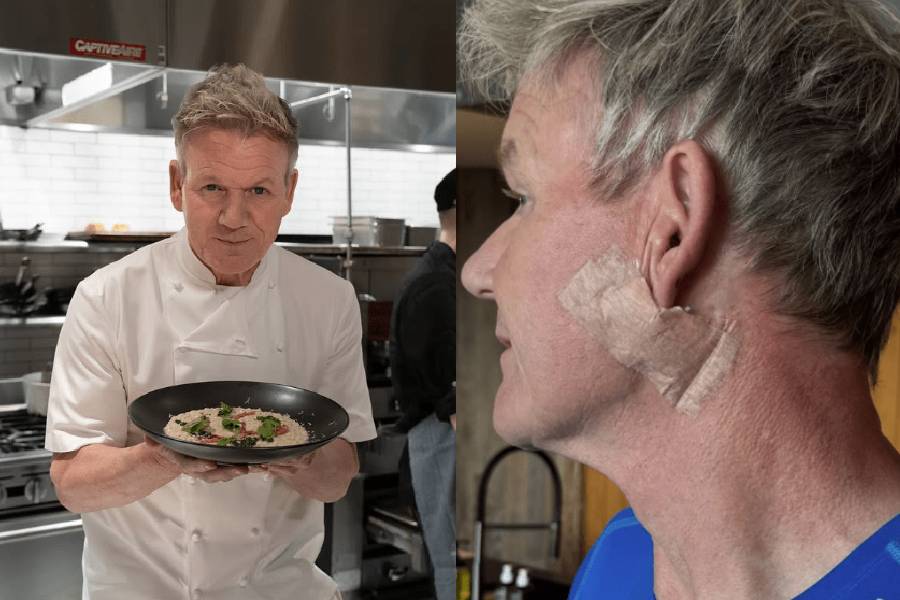
World-renowned chef Gordon Ramsay, 58, has publicly revealed his recent diagnosis and treatment for basal cell carcinoma (BCC), sharing post-surgery images and a cautionary message about sun protection on social media. The celebrity chef’s disclosure has drawn widespread attention to skin cancer risks and prevention.
- Pearl-like bumps or nodules
- Flat, scaly, reddish patches
- Sores that bleed, heal, and return
- Visible tiny blood vessels on the surface
Ramsay humorously assured followers he had not undergone a facelift, stating he would "demand a refund" if that were the case, while seriously urging everyone: "Don't forget to wear sunscreen this weekend." His message resonated globally, with the British Cancer Research Foundation thanking him for raising awareness.
Although BCC grows slowly and rarely spreads, early detection and treatment are crucial to prevent local tissue damage. Medical experts emphasize that over 80% of skin cancers are preventable with proper sun protection measures.
Ramsay’s openness about his experience continues to generate important public dialogue about skin health and cancer prevention.