Read More







Cathay expects the Hong Kong government to offer a "holistic plan" to facilitate the usage of sustainable jet fuels in the city.
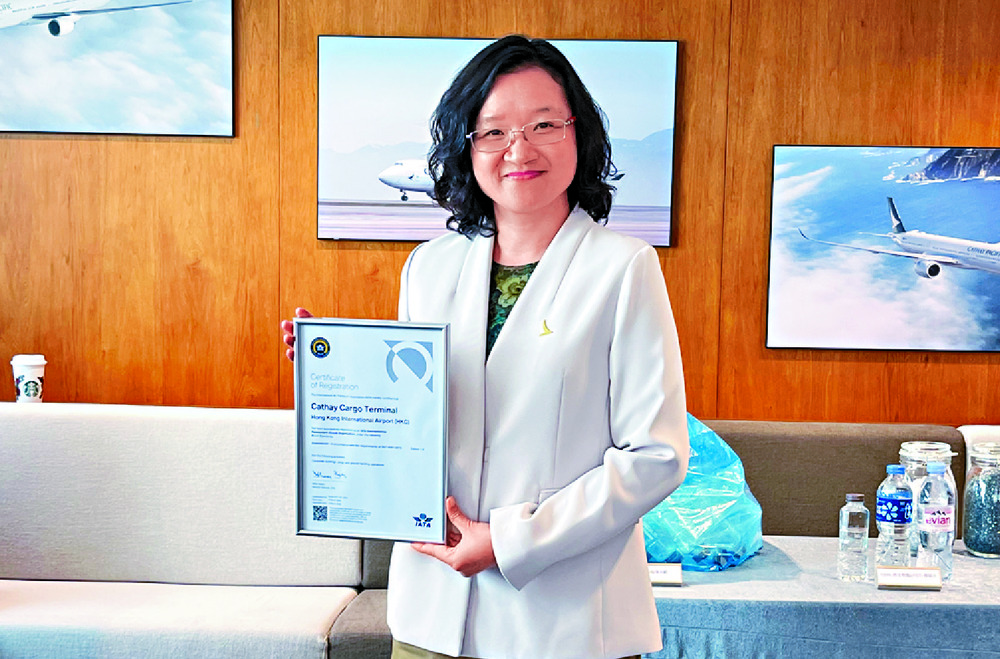
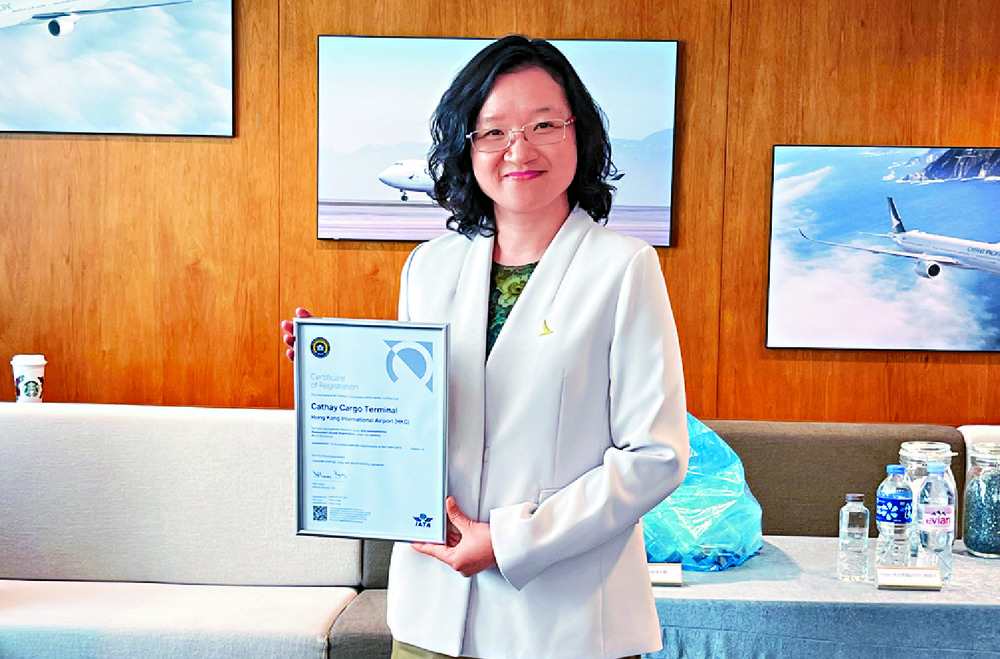
Cathay general manager of sustainability Grace Cheung Sing-yan said the aviation industry really needs a holistic plan - which goes beyond subsidies and involves solutions for logistics, supply chains and more - to reach its climate goal.
Sustainable jet fuels, usually made from renewable sources such as used cooking oil and wood, have the potential to reduce lifecycle carbon emissions by more than 80 percent as compared to fossil fuels.
But they are three to five times more expensive than fossil aviation fuels and are in short supply - taking up only 0.2 percent of global fuels last year. Partly due to these challenges, Air New Zealand decided to ditch its 2030 carbon reduction target last month.Cheung also admitted that the development of sustainable fuels is still in the early stage.
But she believed the proportion will surge to 10 percent in the last few years towards 2030 with Cathay's measures to secure and promote sustainable fuels and collaboration among stakeholders.