Read More













Fintech funding has slowed dramatically in Southeast Asia, but Hong Kong's players see a wealth of opportunity in these nations amid a belief that some of them have the potential to become the next China.
The first nine months of 2023 saw a 70 percent drop in fintech funding across the Association of Southeast Asian Nations amid a global slump, but green initiatives remain a promising area of growth, a report from Singapore's UOB, PricewaterhouseCoopers and the Singapore Fintech Association showed.
Still, businesses like Hong Kong's Futu Holdings and WeLab, which launched the city's first virtual lender WeLab Bank, remain upbeat about Asean prospects.
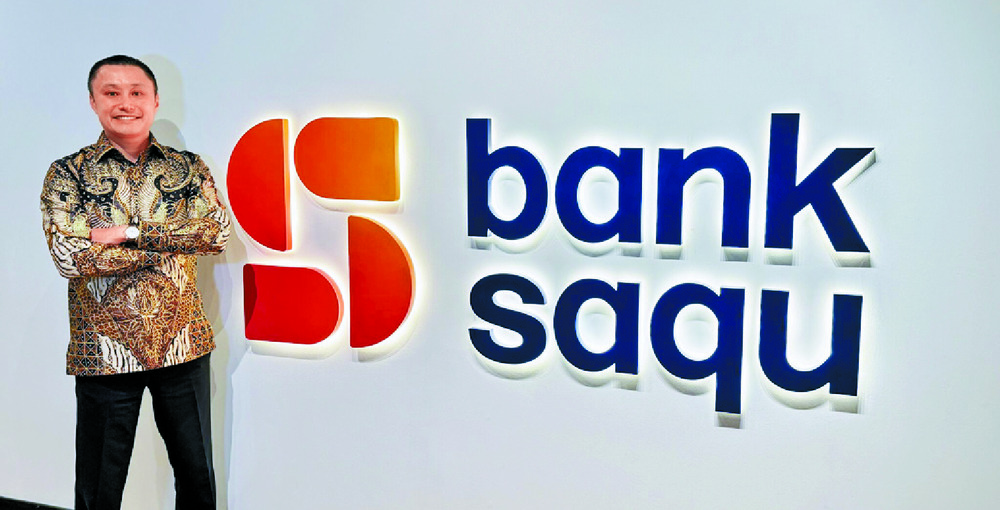
WeLab entered Indonesia in 2018, teaming up with automobile distributor Astra International to operate an online lending app, and last November expanded its presence with the launch of Bank Saqu, a virtual bank.
Founder and chief executive Simon Loong Pui-chi says there are other digital banks in Indonesia, but they not that innovative, adding that WeLab is aiming to provide products with more functions.
Loong says it took WeLab just six months to launch Bank Saqu thanks to its experience and technical prowess, compared to the usual 18 to 24 months needed for such launches.
He said the company has 60 million users in Southeast Asia and hopes to increase the number to 500 million by 2032.
Loong believes Hong Kong's banks should seize opportunities in this huge market as Asean countries are looking to transform of their fintech industries, especially for cross-border business.
Asean states are promoting a new cross-border payment system that uses QR codes to simplify settlements and promote the use of local currencies to reduce reliance on the US dollar. The participants include Indonesia, Malaysia, Singapore, Thailand, Brunei, the Philippines and Vietnam.
Futu, the parent of one of Hong Kong's largest online brokers Futu Securities, expanded into Malaysia last year after entering Singapore in 2021.
Senior vice president Robin Xu Li says there are huge opportunities in Malaysia, given its relatively low level of digititalization and usage trends among younger investors.
As Singapore and Malaysia are closely connected neighbors, this will also create a synergistic effect, Xu added.
He said that Futu will expand into other Asean nations in the future, but for now, the company aims to build a solid foundation in Singapore and Malaysia and grow its market share.
Before entering new markets, Futu will carefully study multiple factors of a country including its economy and investor preferences to see if it matches the company's existing products.
Xu said Futu is currently looking at Thailand and Indonesia, but Indonesia has foreign exchange controls and Indonesians can only invest in local financial products, making it difficult to leverage the company's strengths in providing services for trading equities in the US, Hong Kong and Singapore.
Amid a challenging macro environment, Asean nations pulled in fintech funds worth US$1.3 billion (HK$10.14 billion) or 3 percent of global fintech funding for the first nine months of 2023, the lowest in three years, with Singapore and Indonesia taking 86 percent of these funds, according to the UOB-led report.
While this was 70 percent lower than the US$4.3 billion raised in the same period of 2022, it was better the lows of 2020, it revealed.
But amid the downturn, green fintechs remain a promising area of growth, as interests in sustainability solutions grew due to increasing climate-related regulations, government support and rising awareness of environmental issues, the report stated.