Read More


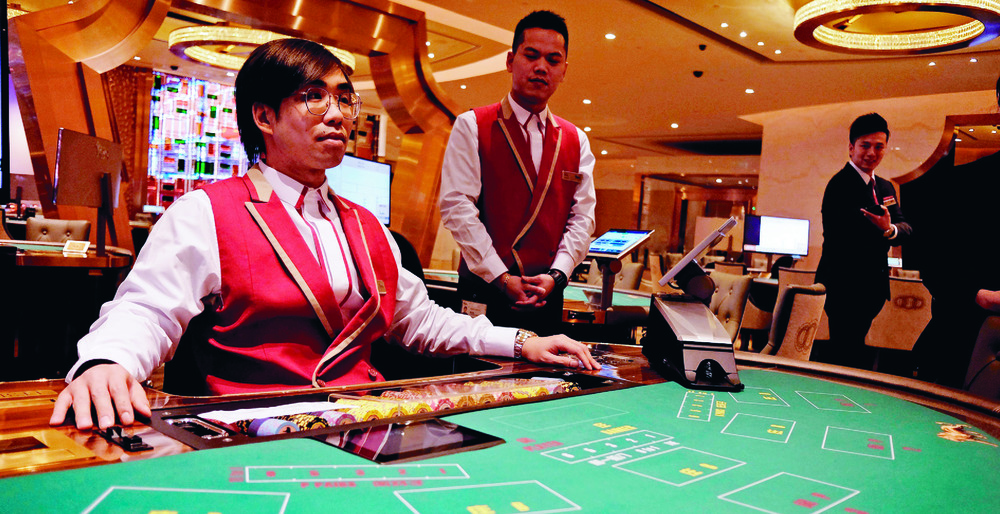
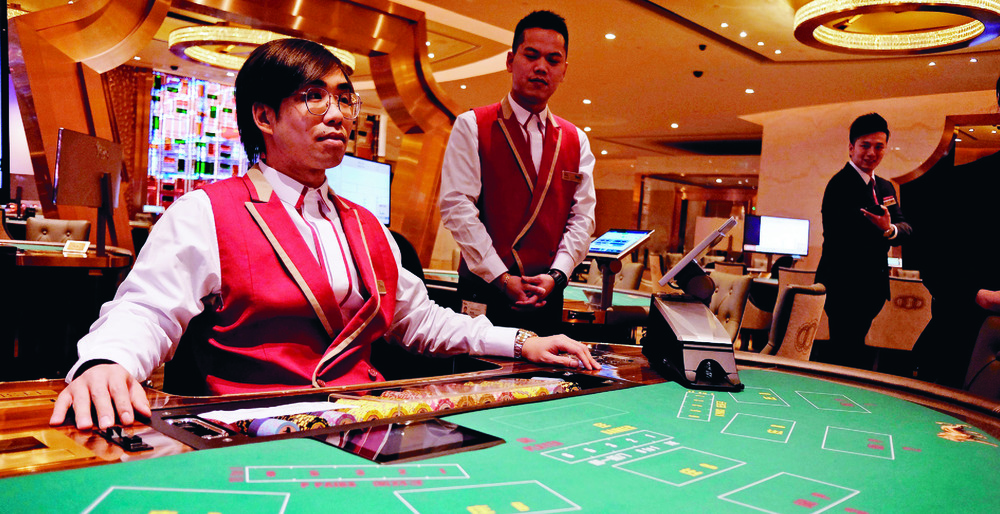
Macau is back in business but gaming stocks may not be a good bet in the short run with mixed views on business forecasts over the Chinese New Year, though investment banks are optimistic about the sector for 2023 as the gambling hub moves to diversify its revenues.
New, 10-year licenses for six gaming operators kicked into effect since the New Year while travel restrictions and quarantine for tourists are now a thing of the past since January 8.
Gaming stocks have rallied in anticipation of a tourism revival, especially license holders Sands China (1928), Wynn Macau (1128), MGM China (2282), Galaxy Entertainment (0027) and Melco International Development (0200), which jumped to an over 52-week high in the Hong Kong within two days after Covid-19 restrictions were scrapped.
On the first day of the reopening, Asia's largest gaming hub welcomed 39,606 visitors, the highest number since last June, when a wave of Covid infections hit in the city and sent visitors numbers plummeting to a little under 10,000 the following month.
However, revenues for Macau's casino operators over the Lunar New Year may not be as eye-catching as their surging stock prices, says Anli Securities chairman and chief executive Andrew Wong Wai-hong.
"I don't see revenues increasing significantly over the holidays as there's no way that visitor numbers can recover to pre-Covid levels that quickly," says Wong, pointing to the surplus in daily quotas for mainland travelers into Hong Kong since the borders reopened on January 8.
Hong Kong has a quota of 60,000 arrivals from mainland China each day but there were under 21,600 arrivals from the mainland in the first four days of reopening, immigration department data shows.
Wong believes the news of the long-awaited reopening has already been priced into gaming stocks during the two-day rally and they now face downward adjustments after outperforming the market in the short term.
Overall outlook
Investment banks however are optimistic about the gaming industry's prospects over the Lunar New Year holidays.
JP Morgan forecasts gross gaming revenue could reach over 50 percent of the level seen during the 2019 Lunar New Year and hotels may likely be almost sold out for the holidays.
For the first eight days of 2023, gambling revenue is projected at 2.1 billion patacas (HK$2 billion) or around 260 million patacas a day, says the bank. This indicates a 30-percent recovery versus pre-Covid levels and more than double the daily levels in 2022 which had been around 120 million patacas, according to JP Morgan analyst D S Kim.
He says the bank feels "very comfortable" projecting the industry's gaming revenues and earnings before tax to "fully normalize to pre-Covid levels by 2024."
Morgan Stanley also predicts gaming revenues in January will reach 6.2 billion patacas or 25 percent of the amount in January 2019, which is 20 percent higher than market expectations.
If this prediction comes true, January revenues will be jumping 43 percent from the 3.5 billion patacas recorded last December.
Macau's government is aiming for gaming revenue of 130 billion patacas this year, the same target as the last two years, even though revenue in 2022 was only 42 billion patacas or 14 percent of 2019 pre-pandemic level.
Credit Suisse foresees contrasting performances for gaming stocks this year. The sector is expected to be supported by an uptick in revenue and an economic recovery in the first half but there is potential downside risk as a bottleneck of business growth begins to emerge and "flatten the recovery curve" in the second.
Also, pent-up demand for Macau's gaming industry may not be as strong as that in the United States and South East Asia, says Credit Suisse.
This is because China's macro-economy remains weak and the gloomy property market has damaged the gamblers' wealth, not to mention the impact of losing high-end customers after Macau cracked down on VIP junkets.
In addition, Credit Suisse says the increase in gaming revenue will be limited since the number of pawnshops and capital inflows have fallen considerably while casino operators are now targeting mid-end and leisure travelers with low gross profit margins and lower gaming facility utilization.
It foresees mass-market gaming revenue in 2023 will reach 85 percent of pre-Covid levels and earnings of casino operators will recover to 77 percent of their pre-pandemic levels, which is 18 percentage points lower than market estimates.
New direction
The shortened 10-year contracts for the six operators - Sands China, Galaxy Entertainment, Wynn Macau, MGM China, Melco International Development and SJM Holdings (0880) - mark a new era for the industry with strengthened government oversight on their operations.
Under the new gaming law, the six operators have committed to investing a total of 118.8 billion patacas over the coming decade, 90 percent of which must be spent on non-gaming to support the government's vision of strengthening Macau's status as a tourism and leisure hub.
Galaxy Entertainment has spent 97 percent of its total investment of 28.35 billion patacas - the highest percentage among its counterparts - to develop its non-gaming business.
It plans to collaborate with international brands to create Macau's first-ever high-tech amusement park as well as to host cultural and sports events or exhibitions at its soon-to-open Galaxy Arena and other facilities.
Sands China's non-gaming plans include indoor water parks, health and wellness centers, art exhibitions and a large garden attraction similar to Singapore's Gardens by the Bay.
President and executive director Wilfred Wong Ying-wai says the company will construct more exhibition facilities, and plans to expand those in The Venetian which he claims to account for over 90 percent of the exhibition venues in Macau.
JP Morgan, Morgan Stanley and Credit Suisse pick Sands China over its competitors because of its diverse investments in non-gaming business and recovery in mass-market gaming revenues.
VIP gaming on the wane
On the other hand, the regulation on VIP junkets is expected to affect SJM the most due to its reliance on VIP gaming, according to an analyst.
Each junket is only allowed to partner with a single concessionaire now and junkets are banned from sharing revenue in any form except commissions on rolling chip turnover.
He says China is wary of people using VIP gaming to withdraw cash from the country and will continue to closely scrutinize the sector, citing the arrest of Alvin Chau Cheok-wa, former chairman of Macau's biggest casino junket operator Suncity, and Levo Chan Weng-lian, chairman of the second largest junket Tak Chun Group and the co-chairman and chief executive of Macau Legend Development (1680).
Official data shows the number of licensed game promoters has fallen drastically from 10 years ago.
In 2013, Macau had 235 junkets but today there are just 36 left in the business.
Besides, satellite casinos are no longer allowed to share revenues from their operations with the collaborating license holder after a three-year grace period ends under the new law.
Satellite casinos refer to casinos not located in premises owned by the concessionaire operating the casinos.
The number of satellite casinos has shrunk from 18 to 11, with nine of them currently with SJM and two with Melco and Galaxy Entertainment.
Still, the outlook on the whole is positive. Gaming and governance consultant David Green told the Financial Times last week that Macau now has more breathing room since the concession contracts contain "hard commitments to non-gaming investment" while Glenn McCartney, an associate professor at the University of Macau, believes the Lunar New Year will bring a "sense of the potential" for a longer term rebound in tourism.