The Financial Services and the Treasury Bureau and the Securities and Futures Commission have jointly published consultation conclusions on Tuesday on the legislative proposal to regulate virtual asset advisory and management service providers in Hong Kong.
The two proposed licensing regimes received broad market support during the consultation period, and the authorities aim to submit the relevant legislative proposals to the Legislative Council in 2026.
Under the principle of the “same business, same risks, same rules”, the scope of these regimes will be aligned with those for Type 4 (advising on securities) and Type 9 (asset management) regulated activities under the Securities and Futures Ordinance, respectively.
The joint circular noted that the one-month public consultation, which ended in late January this year, received 51 submissions from market participants, industry associations, chambers of commerce, and professional bodies. The majority of respondents explicitly supported establishing separate regulatory regimes for virtual asset advisory service providers and virtual asset management service providers, modeled on the existing regulatory framework for traditional securities markets. Respondents generally supported the proposed scope and exemptions, while offering optimization suggestions and seeking clarifications on certain aspects.
Secretary for Financial Services and the Treasury Christopher Hui Ching-yu said that the Policy Statement 2.0 on the Development of Digital Assets in Hong Kong released by the FSTB in June last year outlined the vision of promoting responsible financial innovation while strengthening risk management and investor protection, with the goal of developing Hong Kong into a leading global digital asset center. The proposed regulatory regime for virtual asset advisory and management service providers constitutes an important part of expanding Hong Kong’s digital asset legal framework.
He added that, together with the existing licensing regimes for virtual asset trading platforms and stablecoin issuers, as well as the proposed regime for virtual asset trading and custody services, Hong Kong’s legal framework will cover the major nodes of the entire digital asset ecosystem. This will create a trustworthy and sustainable system comparable to traditional finance, advancing Hong Kong towards the vision set out in the Policy Declaration 2.0.
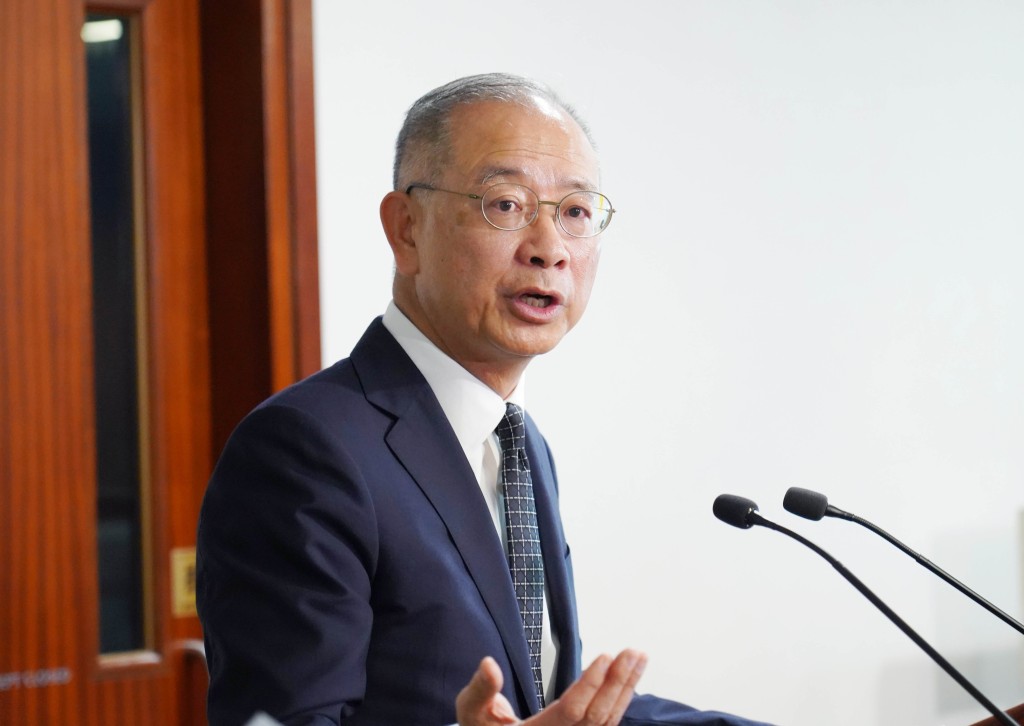
SFC chief executive Julia Leung Fung-yee also noted that the publication of this consultation conclusion marks the final step in refining Hong Kong’s digital asset regulatory framework, paving the way for the long-term development of the ecosystem. The widespread market support reflects the need for a robust and comprehensive regulatory regime. The new regime, which aligns with the standards of traditional financial services, will not only enhance investor protection but also promote responsible innovation.
Additionally, the SFC strongly encourages service providers who are currently engaged in or intend to engage in virtual asset advisory or virtual asset management activities to contact the SFC as early as possible to initiate pre-application discussions. This will help the industry gain a deeper understanding of the proposed regime, facilitate a more efficient licensing process, and ensure compliance with regulatory requirements under the new regime.