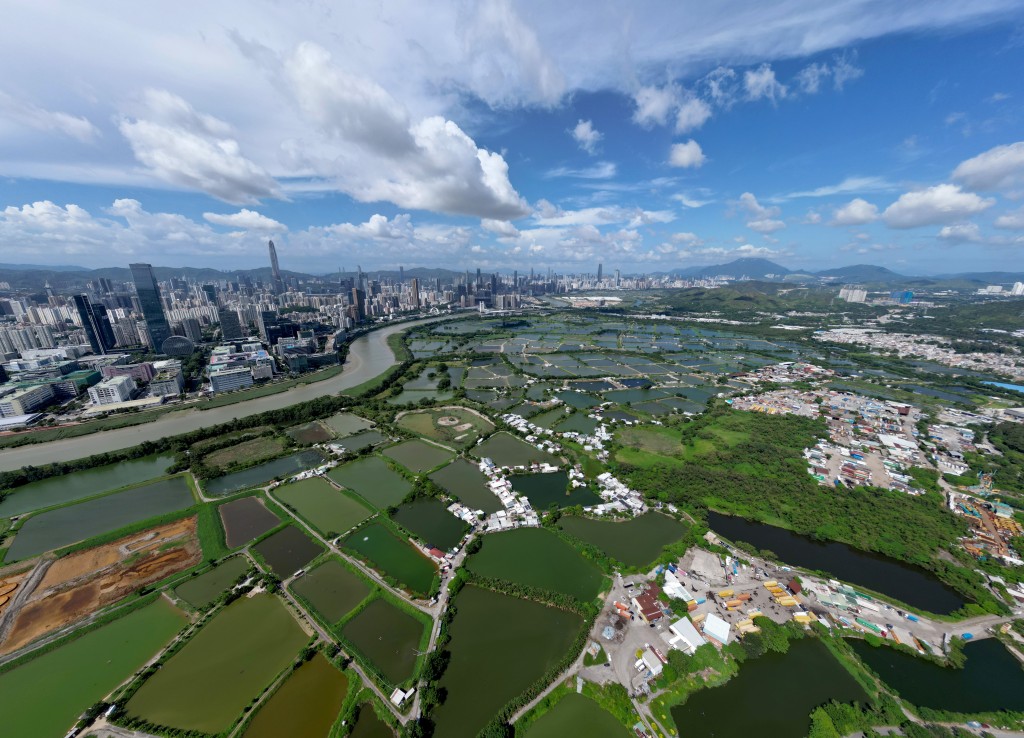
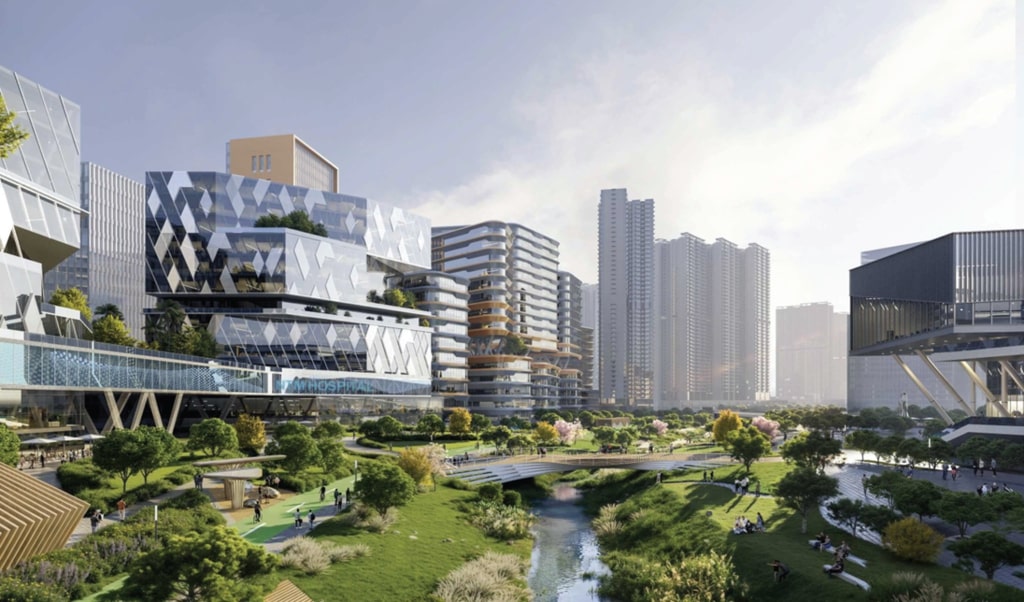
Hong Kong's Northern Metropolis is expected to cost more than HK$360 billion over the next five to six years, of which government-related entities (GREs) will spend HK$140 billion, according to S&P Global Ratings.
The rating agency expects that the city's largest and most costly infrastructure project will catalyze growth in the size and number of Hong Kong's GREs, while this traditional low-debt, financially conservative GRE sector will take on more debt and leverage.
The GRE funding also opens the way to private investment, in which GREs will act as credit multipliers by raising project-related debt and equity through capital markets, S&P said.
The government is expected to provide support to GREs, especially initial capital as needed, to accelerate the Northern Metropolis buildout, then GREs can raise additional debt or equity funding in capital markets based on this, S&P added.
This year, Hong Kong is injecting HK$30 billion in seed funding for some GREs, out of which the newly formed company Hung Shui Kiu Industry Park is set to receive HK$10 billion.
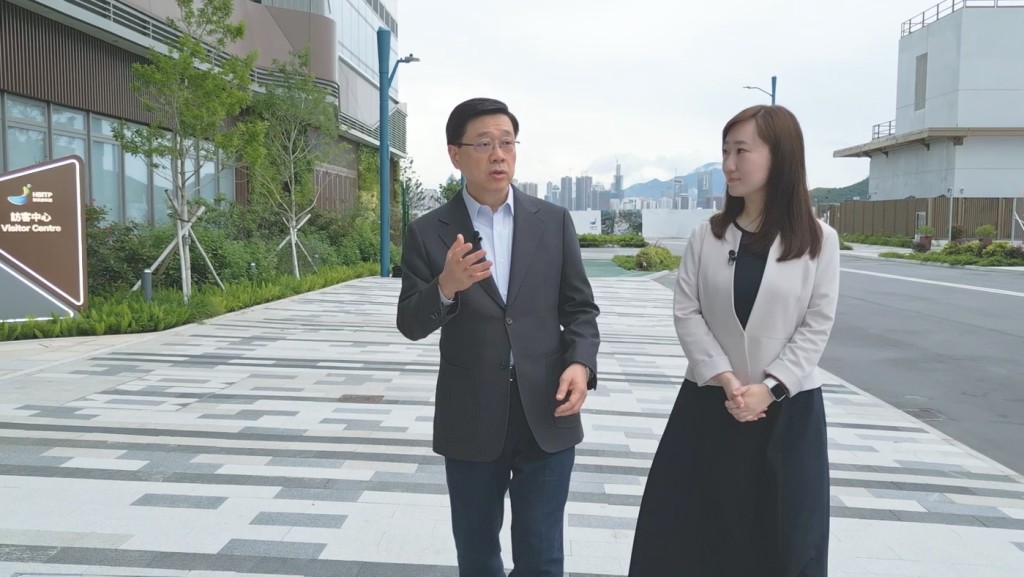
S&P pointed out that new GREs like Hung Shui Kiu Industry Park and Hong Kong‑Shenzhen Innovation and Technology Park, established without specific legislation, can serve a more pinpointed purpose and have more autonomy over their operations, adding that the flexibility could eventually help them to involve more private players to further the development.
Moreover, continued government support, including equity infusions or land contributions as well as tax incentives, will ease balance sheet pressures and accommodate higher leverage for GREs, the agency said.