
Read More






HK faces week of extreme heat with temperatures soaring to 34 degrees
28-09-2026 03:01 HKT
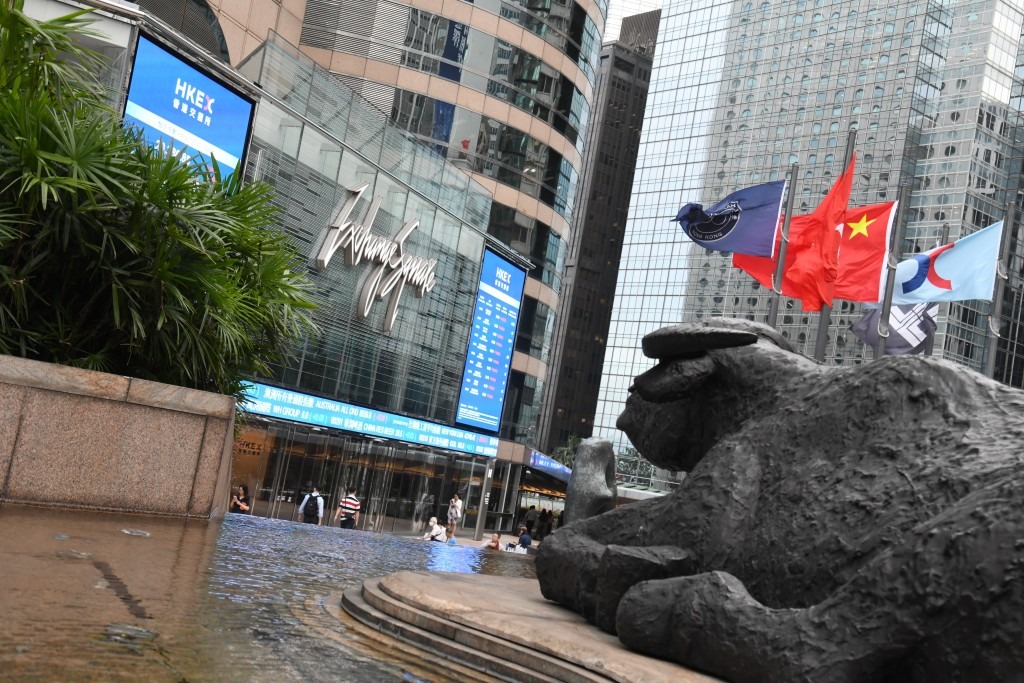
Hong Kong is ready to launch yuan-denominated stock trading to cater to investors in Shanghai and Shenzhen, with final clearances from regulators in mainland China expected in the second half of the year, according to people familiar with the matter.
The city's own infrastructure is largely ready to accommodate trading of shares in the Chinese currency via the southbound Stock Connect link, but bourses in the mainland and clearing houses need more time for testing and final preparations, sources said.
The process is being slowed by the pandemic situation and lockdown in Shanghai, they said.
The move would give incoming Hong Kong leader John Lee Ka-chiu, who was handpicked by Beijing to succeed Carrie Lam Cheng Yuet-ngor, potentially his first financial achievement after he's installed in July. It would reduce currency risks for investors in the mainland, while also, in a limited way, dovetail with Beijing's ambitions to boost the use of the yuan offshore.
Hong Kong has been seeking to build itself as a hub for offshore yuan trading by introducing more products denominated in the Chinese currency. A government-led working group has completed a feasibility study, and is prepared to waive stamp duty for market makers in yuan-denominated southbound stock trading once it starts, Christopher Hui, secretary for the Financial Services and Treasury Bureau, told lawmakers earlier this month.
In response to questions from Bloomberg, a spokesman for the bureau, said discussions are ongoing with regulatory authorities and relevant organizations in mainland China, "with a view to seeking early implementation of the initiative."
However, the past endeavor to introduce a system known as "dual tranche, dual counter" to allow yuan-denominated shares met with limited success. The only company to adopt the structure since the inception ten years ago, Shenzhen Investment (0604), saw most of its trading in the freely convertible Hong Kong dollar despite having a yuan option.
Kevin Lai, chief economist for Asia ex-Japan at Daiwa Capital Markets, said the channel will likely have little impact on "yuan internationalization" since buyers of yuan stocks will be China-based firms. Market demand for such a channel is still in doubt, especially with firms now divesting from China following the shocks from regulatory crackdown and the drive "common prosperity," Lai said.