Read More



Hong Kong CPI rises 1.7pc in April
9 hours ago


CK Hutchison: No plan to sell PARKnSHOP
10 hours ago



ImmD crackdown targets moonlighting domestic helpers arresting 17
19-05-2026 17:52 HKT
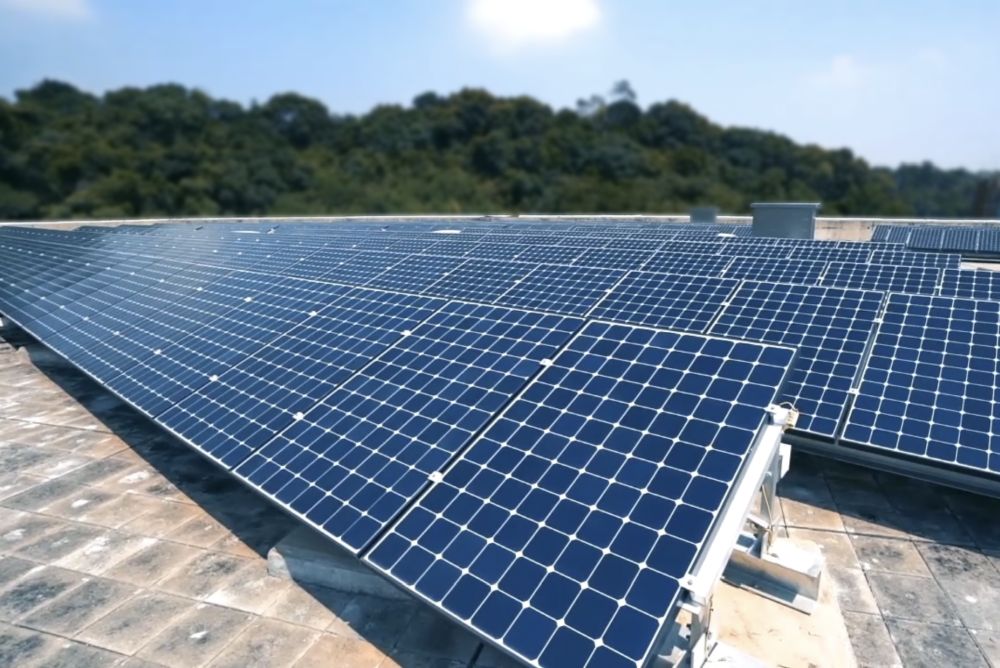
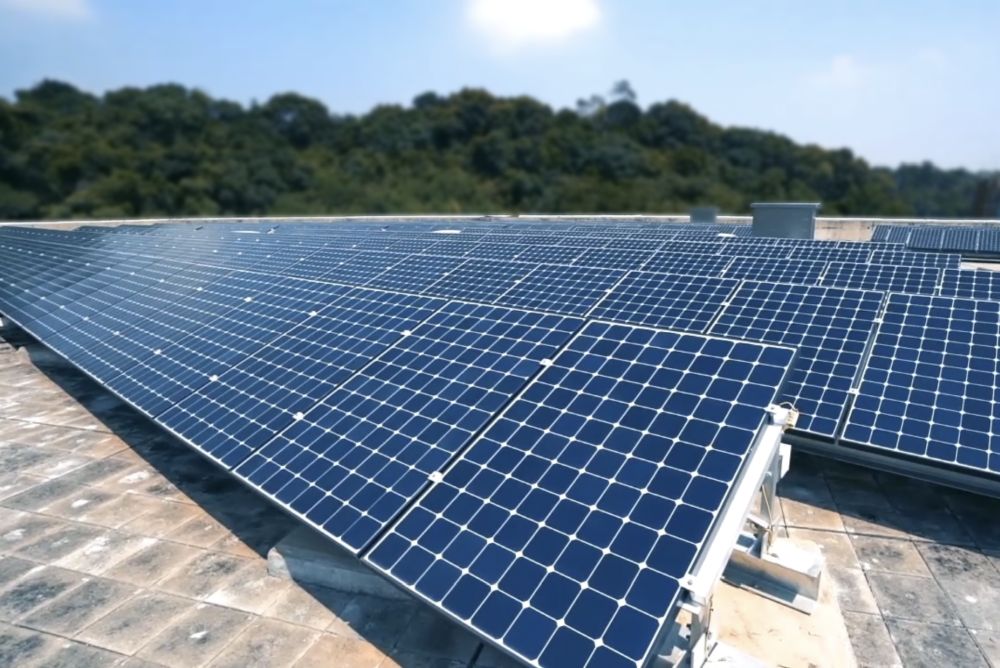
Solar panels are an important source of renewable green energy but they are also hard to recycle. And as old panels reach the end of their lives, experts fear they could turn into toxic trash unless Hong Kong comes up with ways to tackle the threat.
In 2017, the government signed agreements with the city's two power providers - CLP (0002) and HK Electric (2638) - to promote the development of renewable energy.
Under the scheme, people who install solar photovoltaic or wind systems at their premises could sell the energy they generate to the providers at about five times the standard electricity tariff.
The feed-in tariff scheme has proven popular with CLP receiving more than 17,400 applications since its launch, with about 90 percent approved and nearly 80 percent of them for village houses.
In 2019, the EcoTech Professional Association of Hong Kong estimated that there will be between 1.59 million to 2.38 million old, worn-out solar panels in 10 to 15 years, enough to cover 3,000 to 4,700 stadium pitches.
But experts warn that a wave of solar panel e-waste may hit Hong Kong earlier due to the poor quality of some brands and the introduction of newer, more efficient panels. They say that solar panels generally last between 25 and 40 years but the market has been flooded with inferior panels which have a lifespan of just 10 to 12 years.
Some them have been showing signs of wear and tear after just a few years of use, they point out.
In addition, new types of solar panels that are more efficient have been launched in recent years, attracting many users to replace their older, less efficient panels.
EcoTech Professional Association vice president Henry Ngai predicts a wave of panel replacements will start in two years and reach a peak in seven years as newer and more efficient panels come on the market.
Ngai worries that the government has not yet come up with a plan on how to dispose of aging solar panels.
While the aluminium casing of the panels can be recycled, the panels themselves contain traces of heavy metals like lead which can leech out into the environment unless they are disposed of properly.
Old panels can be recycled by manufacturers but the costs are high and not profitable, according to a technical director named Leung at W3HK, a Hong Kong-based firm that sells and installs solar photovoltaic systems.
While a panel costs about HK$1,000 to manufacture, recycling costs twice as much, so old panels are usually end up in landfills, he points out.
Ngai says the government could introduce legislation to impose a prepaid recycling fee for every solar panel sold in the future, on the lines of the Waste Electrical and Electronic Equipment Scheme which came into effect in 2018, and mandates recycling fees on a range of regulated electronic goods and equipment.
He also suggests that the government could set up a centralized recycling site in Qianhai or Hengqin economic zones, where old panels can be processed for dismantling and reuse.
Ngai says that based on past experience, Hong Kong usually takes between eight and 10 years to formulate an environmental policy, but he hopes the government will come up with a plan "as soon as possible" to tackle the wave of old solar panels that's headed for the city.