Singapore, Hong Kong, and Switzerland are emerging as some of the most attractive destinations for internationally mobile wealth in 2026, while the United Kingdom and some European countries are facing growing competitiveness pressures, a report showed.
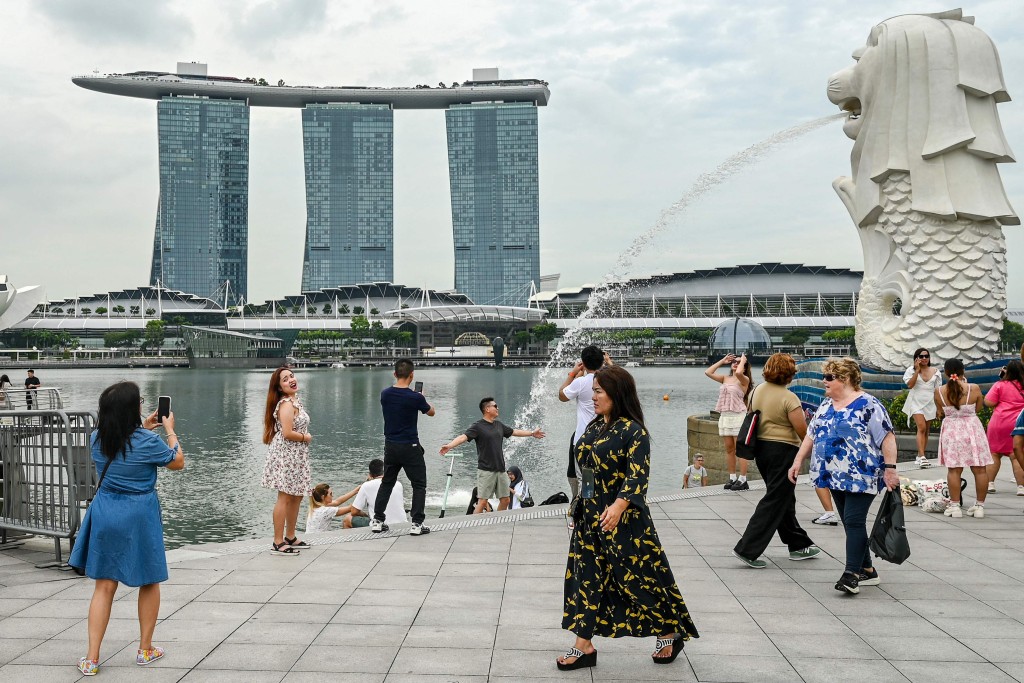
The Southeast Asian city-state topped the broader wealth mobility landscape with a score of 79.5 out of 100, according to the Henley Private Wealth Migration Report 2026.
Underpinned by political stability, strong institutions, deep capital markets, and ongoing wealth diversification from China and Hong Kong, Singapore remains one of the world’s leading wealth hubs, the report said.
It was followed by New Zealand and the Cayman Islands, whose scores were 75.8 and 74.3, respectively.
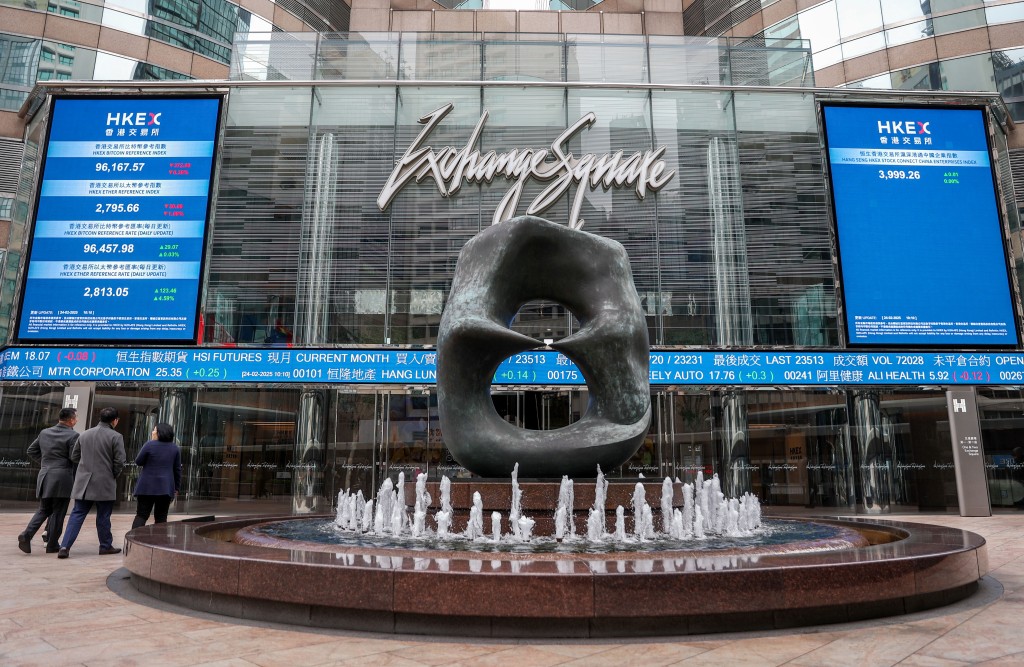
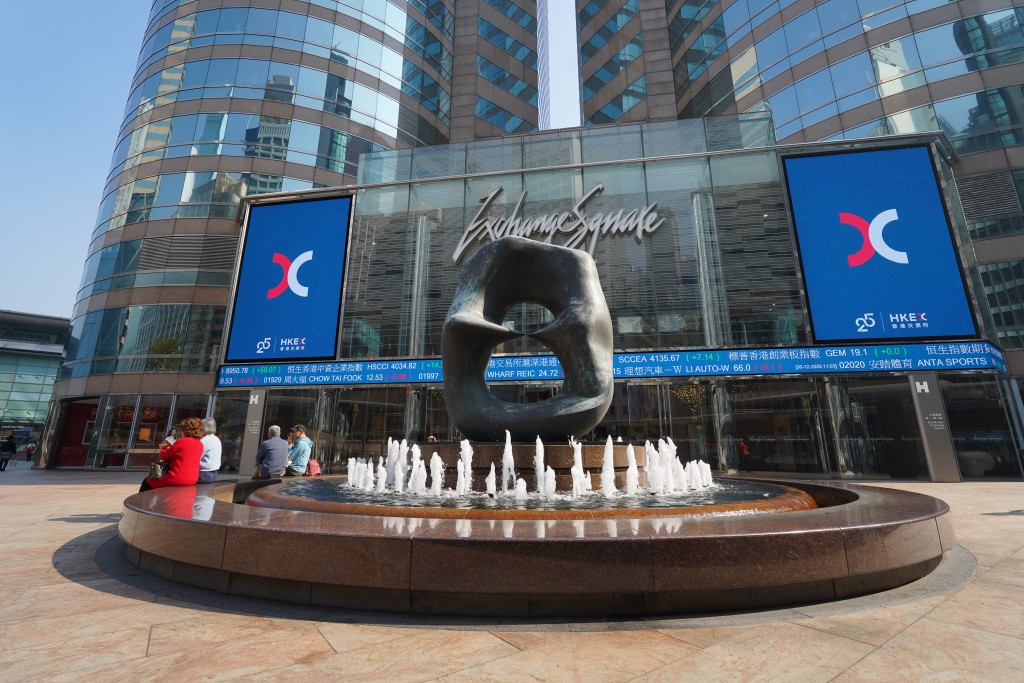
Hong Kong, with deep capital markets and a low-tax regime, scored 71.2. The city enjoys renewed interest from international investors on top of the continuing appeal for mainland wealth, in part thanks to family office support measures and the relaunch of the investment immigration scheme, the consultancy said in the report.
Switzerland, which lost the title of the world’s largest cross-border wealth management hub to Hong Kong last year, according to another consultant, also scored lower than the SAR in the report, with a mark of 70.8.
Still, it remains a safe haven due to heightened demand for stability, capital preservation, and wealth protection amid elevated geopolitical uncertainty, the study said.
The score assesses jurisdictions across 12 dimensions, including taxes, investor access, rule of law, quality of life, geopolitical resilience, and capital mobility, with the first few factors considered the most decisive ones in relocation decisions, the consulting firm said.
They are directional indicators only and do not measure actual millionaire inflows or outflows, and should not be interpreted as a global ranking or a wealth mobility index, it stressed.
The report also identified several places where tax reforms, policy developments, and regulatory changes are increasingly influencing wealth mobility decisions, including the UK, which scored 68.3, Germany with a 69.7 mark, and France (65.7).
The abolition of the non-dom tax regime, changes to inheritance tax treatment, the closure of an investor visa, and a broader climate of fiscal and policy uncertainty have collectively weakened both the UK’s attraction and retention proposition, Henley & Partners said.
“If wealthy people are leaving a country en masse, you can be reasonably sure that the country’s economic policy isn’t working”, said Douglas McWilliams, founder at the Centre for Economics and Business Research.
Germany and France both continue to benefit from strong institutions, economic scale, and international connectivity, yet debates around wealth taxation, exit taxes, fiscal predictability, and long-term competitiveness are increasingly prompting their affluent residents to explore residence and citizenship options beyond their home markets, the study said.
China and India remain among the world’s most important sources of new wealth, yet factors such as capital controls, tax complexity, international access considerations, geopolitical uncertainty, and broader lifestyle and diversification needs continue to encourage many of their affluent families to adopt international wealth and mobility planning strategies, it said.
While the US, with a score of just 62.3, remains unmatched in capital markets and wealth generation, factors such as citizenship-based taxation, fiscal complexity, and lengthy immigration processing times are encouraging affluent Americans to build greater international optionality, the report said.
The wealthiest families increasingly think like portfolio managers, said Basil Mohr-Elzeki, managing partner at the consultancy.
“They are building a deliberate architecture across jurisdictions: residence in one country, citizenship in another, business and banking structures elsewhere.”