Read More









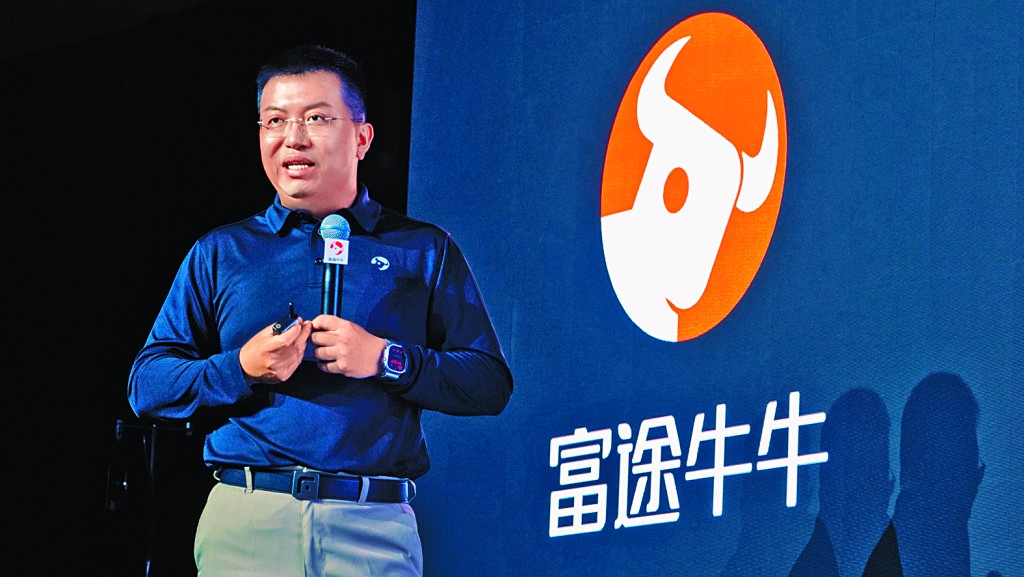
The China Securities Regulatory Commission has fined Futu 1.85 billion yuan (HK$14.43 billion) for illegally conducting cross-border securities business, wiping out US$1.7 billion (HK$13.26 billion) from the fortune of Futu's founder and chief executive, Leaf Li Hua, in a single day.
Futu's Nasdaq-listed share plunged nearly 28 percent last Friday, closing at a 13-month low.
According to Forbes' real-time billionaire data, Li's net worth has plummeted to US$4.6 billion, down from US$7.6 billion on the annual billionaire list released in March. This means Li has lost US$3 billion in the past two months alone.
The CSRC has also accused Futu of illegally operating securities and options trading without a domestic license and has imposed a 1.25 million yuan fine on Li.
Li was a computer science graduate of Hunan University and an early pioneer at Tencent (0700), the company's 18th founding employee. He participated in the early development of the instant messaging software QQ and founded Tencent Video. After leaving Tencent, he founded Futu in Hong Kong in 2012.
Despite the severe blow to Futu's business, the company stated that as of the first quarter of 2026, the proportion of mainland Chinese clients among the group's total funded clients had dropped to 13 percent, while the number of overseas funded clients continued to rise.
Additionally, Futu announced last Saturday that it had repurchased approximately US$160 million worth of American Depositary Receipts (ADRs). The company stated that it would conduct share repurchases from time to time, depending on market conditions.
Notably, before the fine was announced and the share repurchase was revealed, JPMorgan had downgraded Futu's investment rating from "Overweight" to "Neutral" and slashed its price target by 71 percent from US$300 to US$87, citing increased earnings risk due to regulatory tightening. However, with the penalty details now public and the negative news largely priced in, JPMorgan has raised its price target by 15 percent from US$87 to US$100, while maintaining a "Neutral" rating.
In its report, the bank explained that although the fine is substantial, it has actually dispelled the market's worst-case speculation. Coupled with Futu's US$160 million buyback to support its share price, the share is expected to stabilize and recover. Market sentiment has since turned more optimistic following the announcements.
JPMorgan noted that while the 1.85 billion yuan fine represents about 13 percent of Futu's Bloomberg consensus pre-tax profit forecast for 2026, or roughly 2 percent of the company's market capitalization, the market's most pessimistic expectations before the fine was announced ranged from 2 billion yuan to 20 billion yuan. The actual penalty came in near the lower end of that range, eliminating the extreme risk of a complete business shutdown for institutional investors such as hedge funds. Furthermore, Futu's buyback at a critical moment sends a strong signal of confidence to the market.
However, JPMorgan also revealed in its report that after conversations with investors, buy-side opinions remain divided. The hedge fund clients they spoke with were relatively optimistic, agreeing with Futu's 10x price-to-earnings valuation, and are looking for opportunities to increase their holdings. Long-term investors, on the other hand, are more cautious, concerned about whether Futu is actively and effectively communicating with regulators, as the regulatory announcement came as a surprise to both the market and the company.