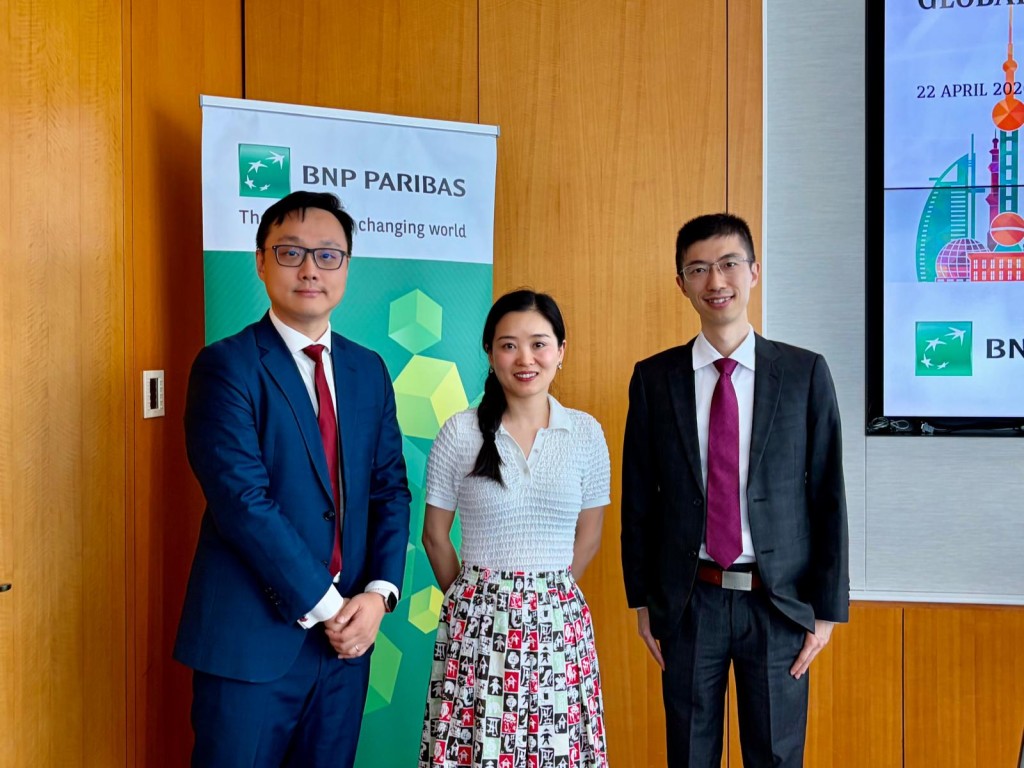
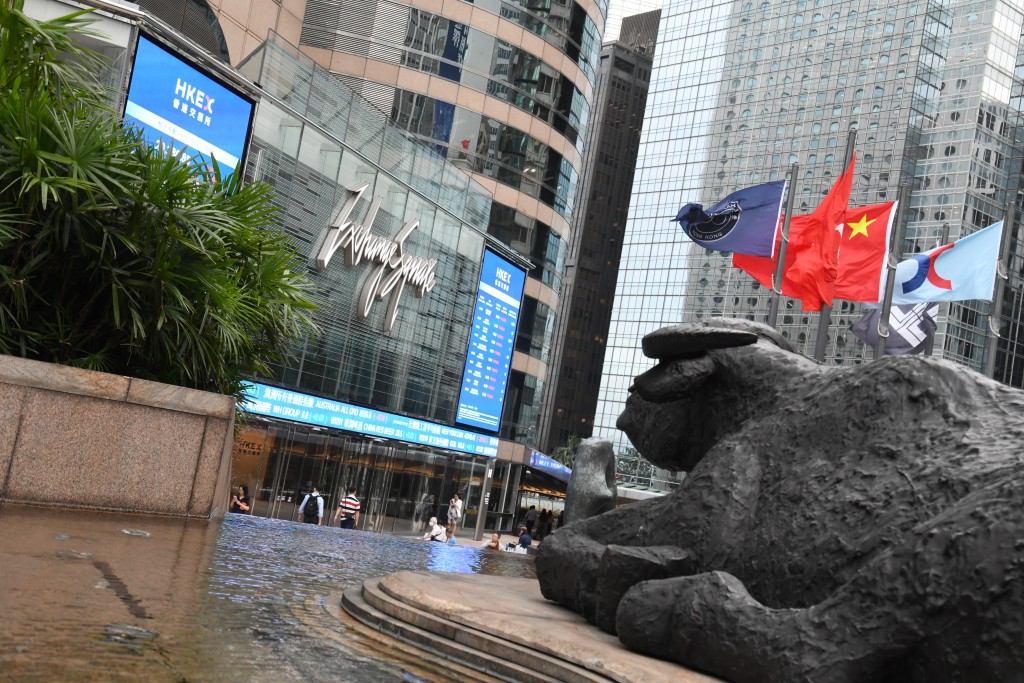
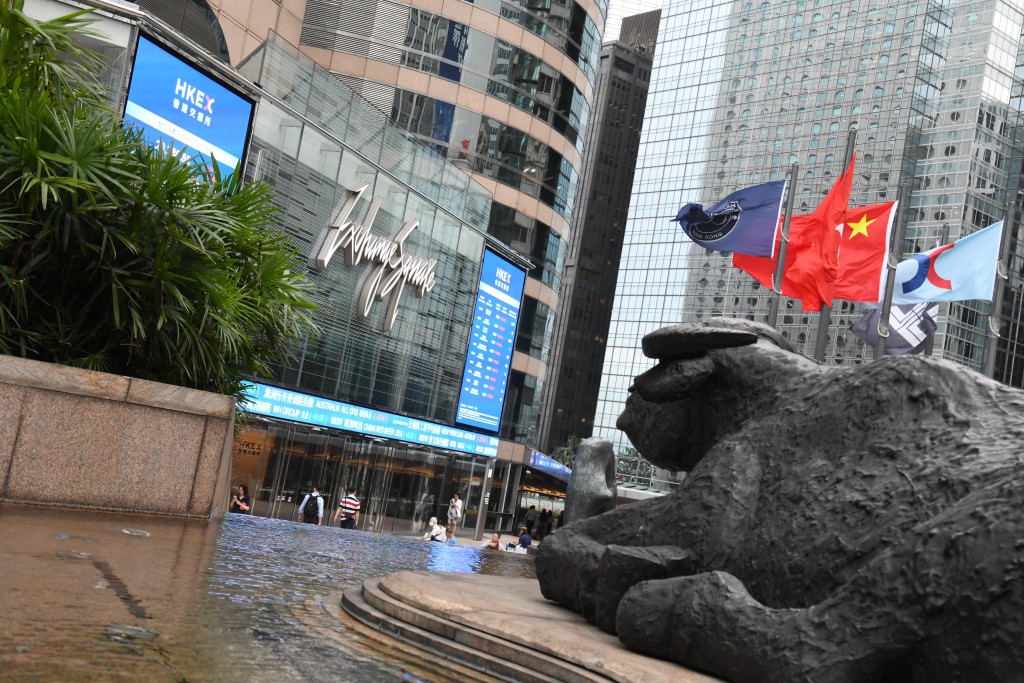
The global underperformance of software stocks relative to hardware stocks has negatively impacted the Hong Kong market, with the Hang Seng Index lagging regional benchmarks in South Korea and Taiwan, largely due to differences in index composition, BNP Paribas analysts said on Wednesday.
Jason Lui, Head of APAC Equity & Derivative Strategy, explained that while Hong Kong-listed internet platforms have made significant investments in AI research and development, global investors are currently favoring the Japanese, South Korean, and Taiwanese stock markets. He noted that the KOSPI and Taiwan benchmarks are heavily concentrated in semiconductor and hardware names that benefit directly from the AI super cycle, providing a "boost effect" that the Hang Seng Index – which lacks that same concentrated exposure – does not receive.
Lui pointed out that in the past, due to a lack of pure AI targets, capital focused on buying Hong Kong-listed internet platforms. However, this year, with more pure-play AI listings appearing in both the A-share and Hong Kong markets, capital flows have rotated toward these more direct exposures.
He also cited onshore regulatory reform as another factor behind the slowdown in southbound capital flows. Chinese mutual fund managers are now required to track benchmarks more strictly, and because those benchmarks often exclude Hong Kong stocks, the flexibility they previously had to allocate capital to the territory for growth exposure has been curtailed.
Lui noted that southbound flows have decelerated, with inflows of over US$180 billion (HK$1.4 trillion) recorded in 2025, compared to only around US$30 billion so far in 2026. He said this year hasn't seen an event like the DeepSeek moment from last January. While investors remain optimistic about the Chinese AI sector, they now prefer specific companies over the broader Hang Seng Tech Index.
He said newly listed pure AI stocks in Hong Kong and A-shares have delivered strong performance in the past six to nine months, outpacing the broader tech benchmark.
Regarding the impact of Middle East conflicts on oil prices, Lui said the bank expects the U.S. Federal Reserve will not cut interest rates this year. While earlier in the year the view was based on a tighter U.S. labor market, the primary concern has now shifted to inflation, meaning Fed officials may lack sufficient confidence to ease policy.