Read More





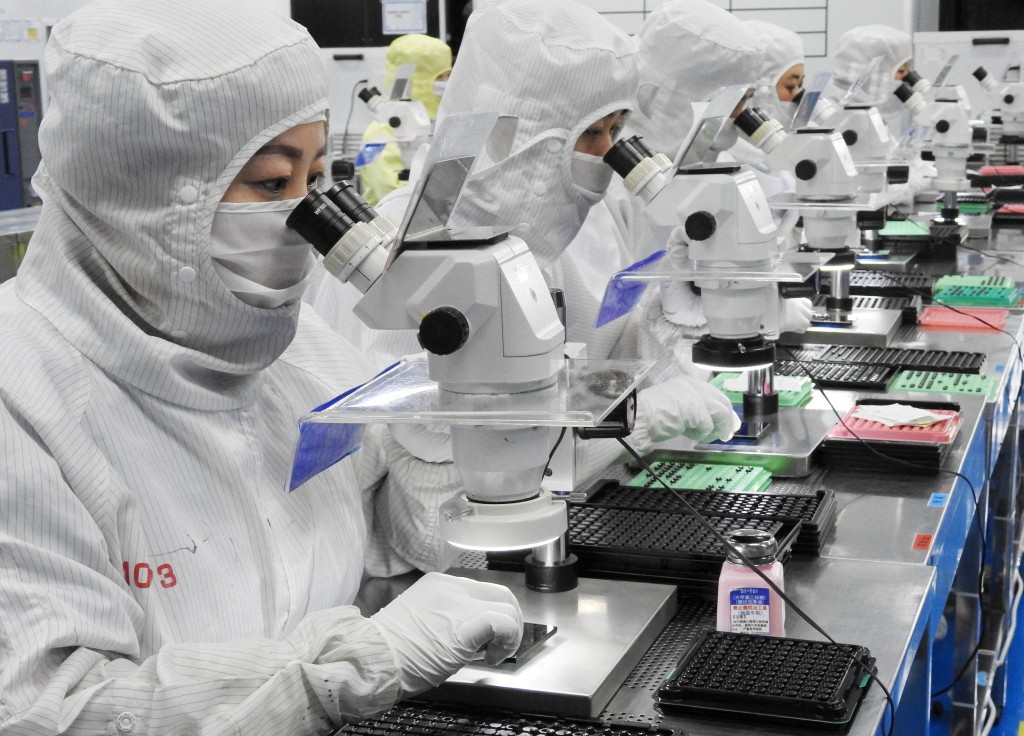
China's factory activity grew at the fastest pace in a year in March, underpinned by improved demand, an official survey showed on Tuesday, a welcome relief for an economy grappling with global supply chain strains and energy market volatility.
The official manufacturing purchasing managers' index (PMI) rose to 50.4 from 49.0 in February, above the 50-threshold and hitting the highest point in 12 months, data released by the National Bureau of Statistics (NBS) showed. It beat analysts' forecast for a 50.1 reading in a Reuters poll.
The sub-indexes for output and new orders both rose above 51 from below 50 the previous month, while that for new export orders improved to 49.1 from 45 in February.
The manufacturing PMI was in contraction for most of 2025 and the first two months of 2026.
The non-manufacturing PMI, which includes services and construction, also increased to 50.1 from 49.5 in February, the NBS survey showed
The data may have been skewed by the Lunar New Year holiday, despite seasonal adjustments to the NBS survey that economists say remain imperfect. The festival fell in February, when factories often shut for longer than the official break, which stretched to a record nine days this year.
Businesses accelerated their resumption of work and production after the holiday and market activity improved, NBS statistician Huo Lihui said in a statement, adding that PMI readings improved across companies of different sizes.
China's economic activity outperformed expectations in the first two months, buoyed by holiday spending and a rebound in property and infrastructure investment on the back of government support.
Goods exports continued to power growth after last year's record US$1.2 trillion (HK$9.36 trillion) trade surplus, buoyed by firm global demand for electronics, particularly semiconductors. The commerce ministry said last week the momentum looked set to hold, even as geopolitical strains linger.
Yet the war in the Middle East is raising concerns for policymakers. Disruptions to supply chains, volatility in energy markets and rising unease across global trade routes risk undercutting China's export engine, squeezing margins for manufacturers already operating on thin profits.
Pressure was already evident in the latest survey. The sub-index for purchase prices of main raw materials jumped to 63.9 in March from 54.8 in February, driven by rising bulk commodity prices and faster procurement by companies, the NBS said.
China Association of Automobile Manufacturers, an industry association, said earlier this month that the war could affect car exports in March. The Middle East accounted for around a fifth of China's vehicle exports last year.
Hikes in input costs could pressure wages and job security, which would in turn weigh on already chronically weak domestic demand.
China's leaders have repeatedly vowed to shift the growth engine toward domestic consumption to reduce reliance on external demand. But rebalancing reforms will take time, and as the fallout from the war deepens, businesses are likely to feel the pain more sharply in the near term.
Reuters