Read More






Hong Kong CPI rises 1.7pc in April
9 hours ago


CK Hutchison: No plan to sell PARKnSHOP
10 hours ago


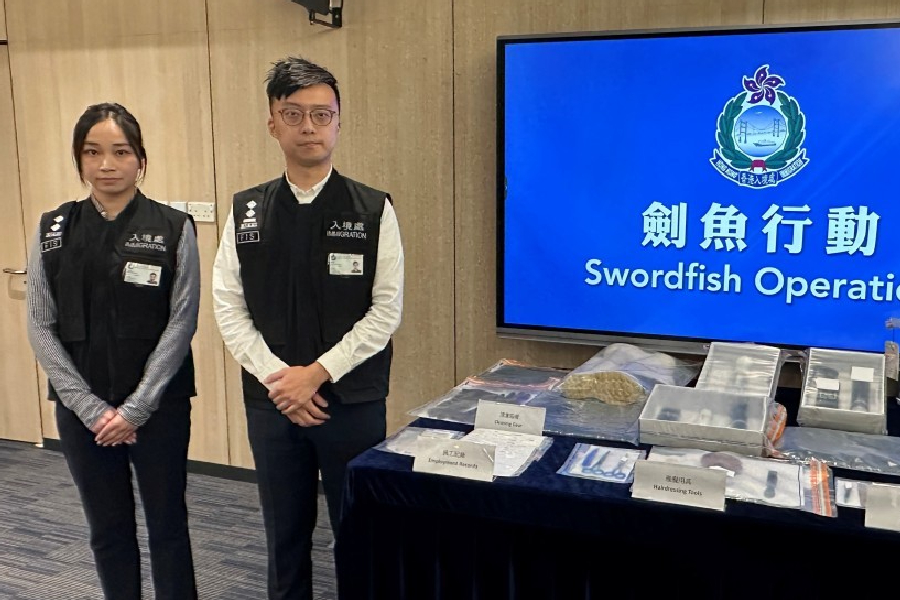
ImmD crackdown targets moonlighting domestic helpers arresting 17
19-05-2026 17:52 HKT

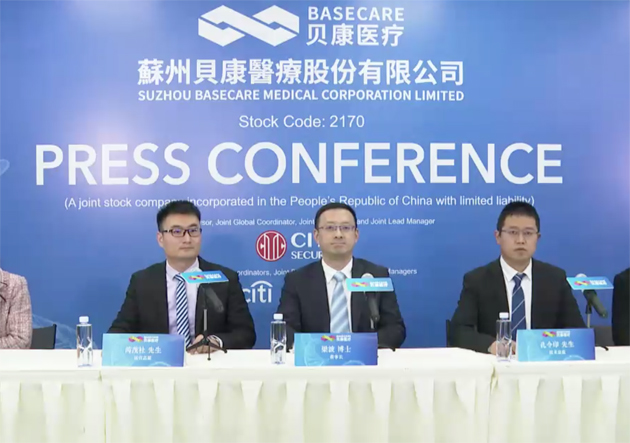
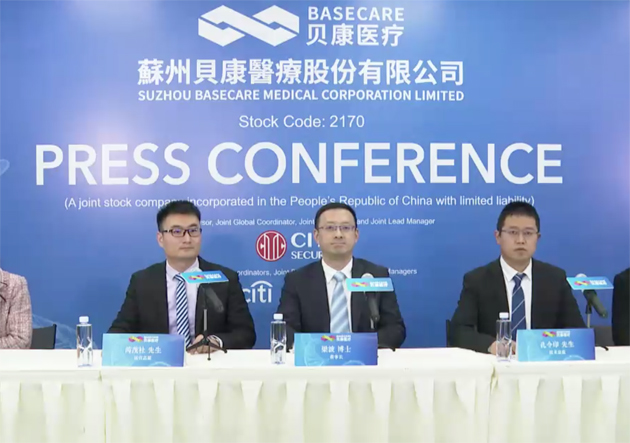
The genetic testing solutions platform Suzhou Basecare Medical Corporation has received at least HK$18.08 billion of margin financing for its retail tranche, equivalent to 98 times oversubscription, as of last Friday.
It closes the retail book today. The pre-profit company for assisted reproduction in China, has attracted seven cornerstone investors, including ObiMed and Affin Hwang Asset Management, to subscribe to US$900 million (HK$7.02 billion) worth of shares.
It will be the first listed next-generation genetic sequencing kit company in Hong Kong after it makes its debut.
The company produces the first and only third-generation in vitro fertilization genetic test kit which has been approved by the National Medical Products Administration, PGT-A kit. The kit screens for aneuploidy, a chromosomal disorder frequently associated with implantation failure in IVF.
There are other PGT-A kits in China that are in the process of applying for the NMPA registration certificate and sold for limited scientific research purposes.
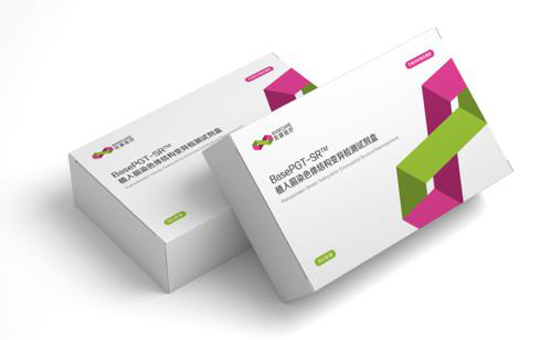
The company is developing two other pre-implantation genetic testing, or PGT, products, namely, PGT-M and PGT-SR kits, which, together with the PGT-A kit, would form a complete test kit lineup to occupy the PGT field, all based on next-generation sequencing technologies.
It has also extended reach beyond the pre-implantation stage to the prenatal and postnatal stages, and developing one kit in each stage, which makes it a company in China with a genetic test kit pipeline that covers the full reproductive cycle, according to Frost & Sullivan.
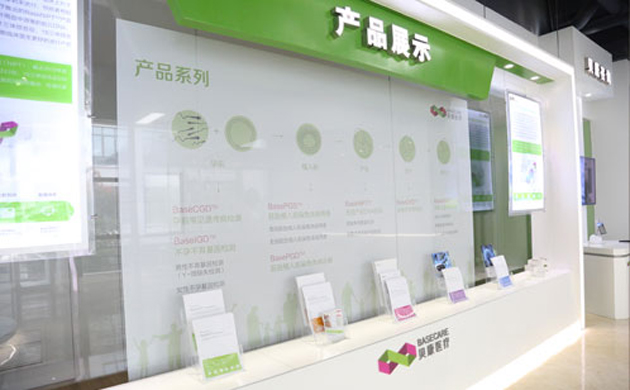
It has five genetic test kits and four devices and instruments in total in its product portfolio.
The PGT reagents market in China is expected to increase rapidly in the next few years, with its market size in terms of sales revenue growing from 95.9 million yuan (HK$115 million) in 2020 to 3.4 billion yuan in 2025, representing a compound annual growth rate of 103.8 percent, and further to 14.7 billion yuan in 2030, representing a CAGR of 34.2 percent from 2025 to 2030.
The company sells products to hospitals, reproductive clinics, third-party medical laboratories, and distributors.
Revenue surged by 70.77 percent year-on-year to 55.69 million yuan in 2019 from 32.61 million yuan in 2018. For the nine months ended September last year, revenue was up by 36.74 percent to 57.24 million yuan from 2019.
However, it recorded a net loss in the past three years, attributable to loss in carrying amount of financial instruments issued to Series A, B and C investors and operating cost.
Net loss expanded from 157.7 million yuan in 2018 to 534 million yuan in 2019. The net loss widened from 372.87 million yuan for the nine months ended September in 2019 to 852.29 million yuan in the same period last year, 97 percent loss came from financial instruments. Operating cost is expected to increase in the foreseeable future.
The company gave a special right to institutional investors, which caused an expanding loss of the carrying amount of financial instruments and this has been given up in July last year, which makes the profit and loss statement since August last year better, Dai Jing, chief financial officer says.
The cash and cash equivalents were 201.5 million yuan as of end-November last year, sufficient capital to cover at least 125 percent of costs and for at least the next 12 months.
About 30 percent of the net proceeds will be allocated to its core product, the PGT-A kit. About 20 percent will be used for the clinical trial, registration filing and commercialization of the PGT-M kit.
About 30 percent will be allocated to the development, clinical trials and registration filings of other products.
The remainder will be used for improving research and development capabilities and improving its technologies.