Read More





Hong Kong CPI rises 1.7pc in April
7 hours ago





ImmD crackdown targets moonlighting domestic helpers arresting 17
19-05-2026 17:52 HKT

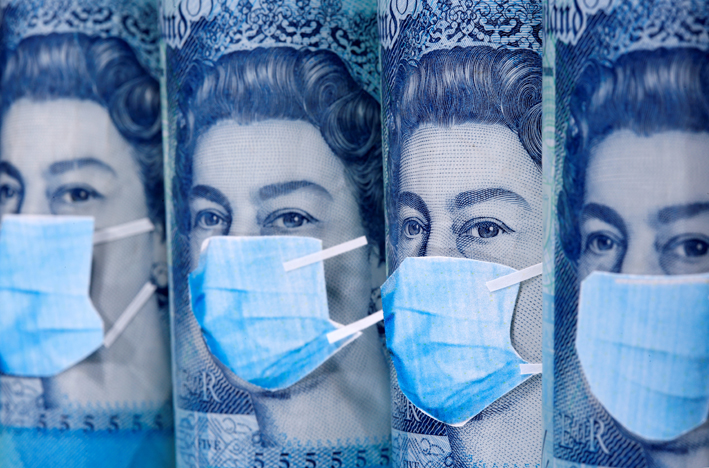
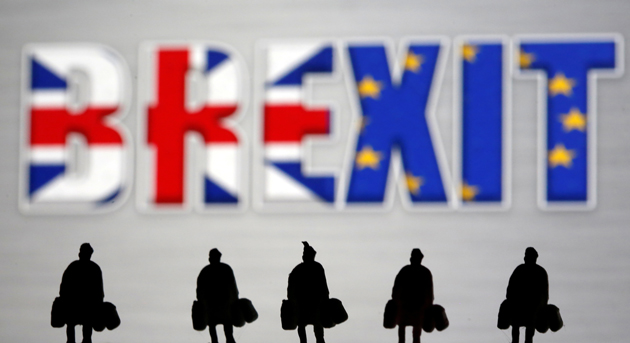
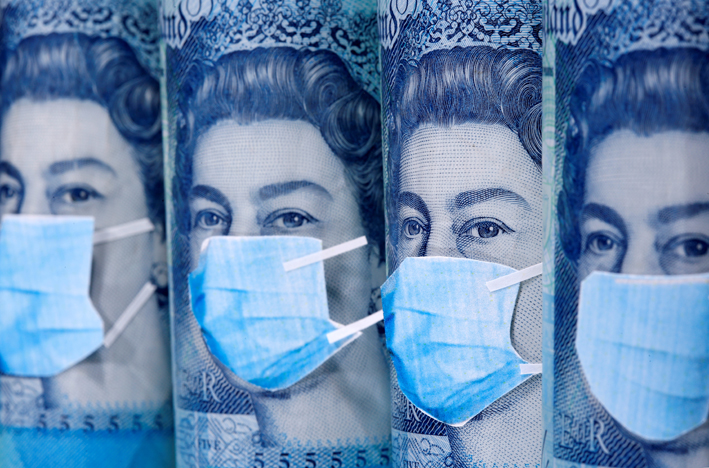
Analysts are warning that the pound will weaken further as it will continue to be weighed down by the possibility of Brexit trade talks collapsing, a second lockdown in the United Kingdom, and rising unemployment, despite rosier economic data in recent weeks.
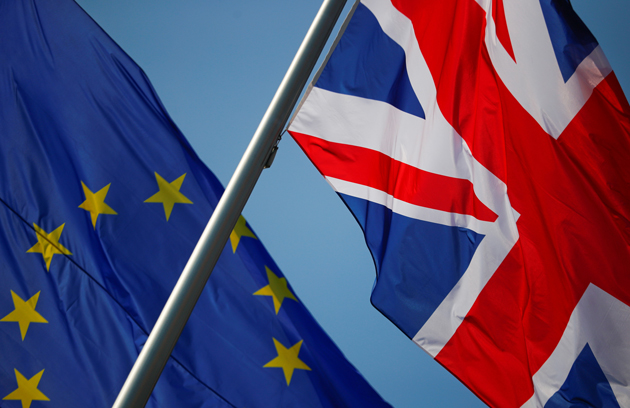
The trade talks between London and Brussels remain deadlocked and relations have soured.
Ten days ago, fears that trade negotiations between the European Union and the UK may fall apart sent the struggling British currency to its lowest level against the euro in nearly six months, as the UK plans to break international law by ignoring parts of the withdrawal agreement that it signed with the bloc in January.
Last week, the pound rallied as the market seemed to have absorbed the bad news. The currency was trading at US$1.2917, and at HK$10.0109, on Saturday.
The UK's contentious Internal Market bill - which passed the first hurdle in the House of Commons last week - will override the agreement with the EU on Northern Ireland.
The move has antagonized the EU. The bloc's chief negotiator Michel Barnier said the EU is stepping up preparations for a no-deal Brexit at the end of this year.
This came only three months before the post-Brexit transition period ends in December.
"Our assessment remains that the chance of no-deal is about a third, but with brinkmanship part of the process it may appear higher than that before agreement is reached," JPMorgan's UK economist Malcolm Barr writes.
Against this backdrop, analysts are warning that downward pressure on the sterling will linger, as the October 15 deadline to strike a deal approaches.
"If the UK ends up with no-deal Brexit, it is likely for the sterling to drop further towards US$1.20. However, if the UK and the EU are able to reach some agreement, the pound may be able to rally towards US$1.35," says Carie Li Ruofan, economist of OCBC Wing Hang Bank.
"I would say at the end of the year sterling will be trading roughly at US$1.27 to US$1.3. Without a trade deal, I don't think it would get to US$1.4 or whatever. Because if they get messy on the Brexit, there will still be chances of referendum on Scotland independence," says Bruce Yam Hiu-ping, forex strategist at Everbright Sun Hung Kai.
And the risks for the pound in the fourth quarter could also go beyond Brexit, Jordan Rochester, currency strategist at Nomura, writes in a note.
"To contain the spread of the coronavirus, the government re-imposed social distancing measures which will likely hinder the economic recovery," Li says.
"The end of the furlough scheme in October is likely to raise unemployment from below 4 percent to anywhere in the range of 7.5-12 percent. That alone is likely to cause a substantial drag on the UK growth," Rochester says.
Under the UK government's Coronavirus Jobs Retention Scheme, companies can furlough employees rather than fire them, and workers will receive 80 percent of their wages with a cap of 2,500 (HK$25,136) per month. It is due to close at the end of October.
Such heavy spending to support the economy has led to a yawning hole in the public finances.
The UK's public sector net borrowing - the government's preferred measure of fiscal deficit - hit 150.5 billion between April and July. This was close to the deficit of 158.3 billion in the whole 2009-2010 financial year.
"There is also the potential for a tax raise in the autumn budget and a long winter of coronavirus cases and shutdowns providing a drag on activity too," Rochester adds.
The recent positive signs seen in the UK economy, including slightly better-than-expected employment data, failed to give a significant boost to the currency.
While the unemployment rate rose to 4.1 percent in the three months to July, up by 0.2 percentage points from the previous quarter, the number of people in employment fell by a much smaller-than-expected 12,000.
Meanwhile, the UK's economy expanded in July as coronavirus restrictions eased. The GDP grew by 6.6 percent in July, the third consecutive monthly increase, according to the country's Office for National Statistics, though the pace was slower than the 8.7 percent growth in June. Industrial output rose by 5.2 percent month-on-month.
But there are also factors that could support the sterling.
"As a dovish US Federal Reserve and a gradual recovery of global economy may push down the US dollar in the medium to long term, a weaker US dollar could help to cap the downside of the pound as well," Li says.
"If the UK government extends the furlough scheme and the Bank of England continues to refrain from cutting rates to negative territory, it would help to ease the downside risk of the sterling," Li adds.
The BoE kept its benchmark interest rate at 0.1 percent on Thursday but signaled it may consider cutting rates below zero.
Li estimates the near-term support level for GBP/USD would be 1.2690 or 1.25 and that for GBP/HKD would be between 9.8350 and 9.6870.
Meanwhile, Yam says US$1.22 will be a good level for investors to jump in to buy sterling, just as tycoon Li Ka-shing's CK Asset (1113) offered to buy UK pub chain operator Greene King one year ago when the pound was trading at around US$1.22.
For Hongkongers with British National (Overseas) status who plan to emigrate to the UK, a declining pound significantly reduces migration costs.
With the economic problems caused by coronavirus and the possible short-term impact of a no-deal Brexit, the influx of highly skilled migrants from Hong Kong could be a ray of sunshine in what is otherwise a dismal year for the UK economy, says UK-based independent economics consultancy Centre for Economics and Business Research.