Read More









Nine days of rain ahead as temperatures dip, Observatory says
09-06-2026 17:35 HKT
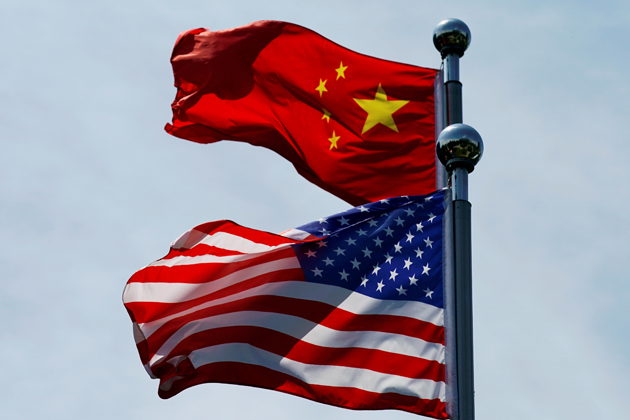
Hong Kong stocks drifted lower in May as the financial hub turned into a "pawn" amid escalating Sino-US tensions, but analysts are seeing more mainland companies seeking to trade their shares in the city after a US tightening on Chinese stocks, which could be an opportunity to buy new economy shares as well as the stock exchange operator.
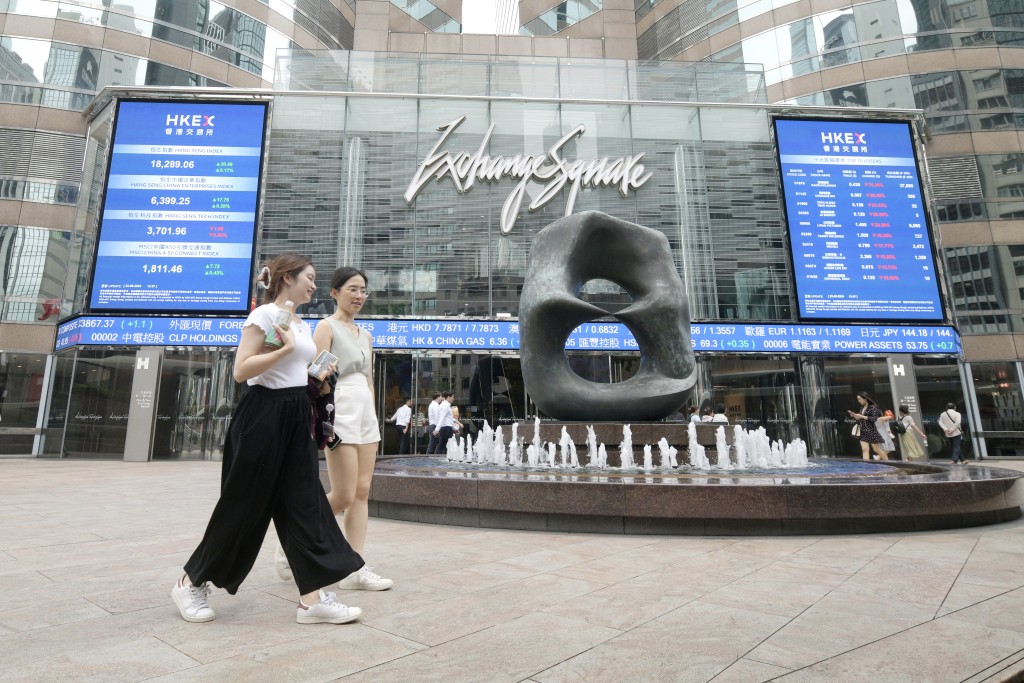
The benchmark Hang Seng Index lost nearly 7 percent, or 1,682 points in May, after Beijing endorsed a decision to enact a national security law, which triggered a possible US move to eliminate the special treatment for the SAR. The index rallied by 7.8 percent during the first week this month.
US President Donald Trump has called for measures to be issued within 60 days to protect US investors from US-listed Chinese companies with fraudulent accounting practices.
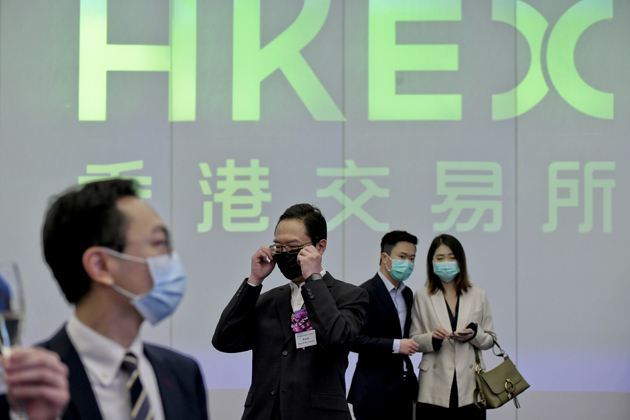
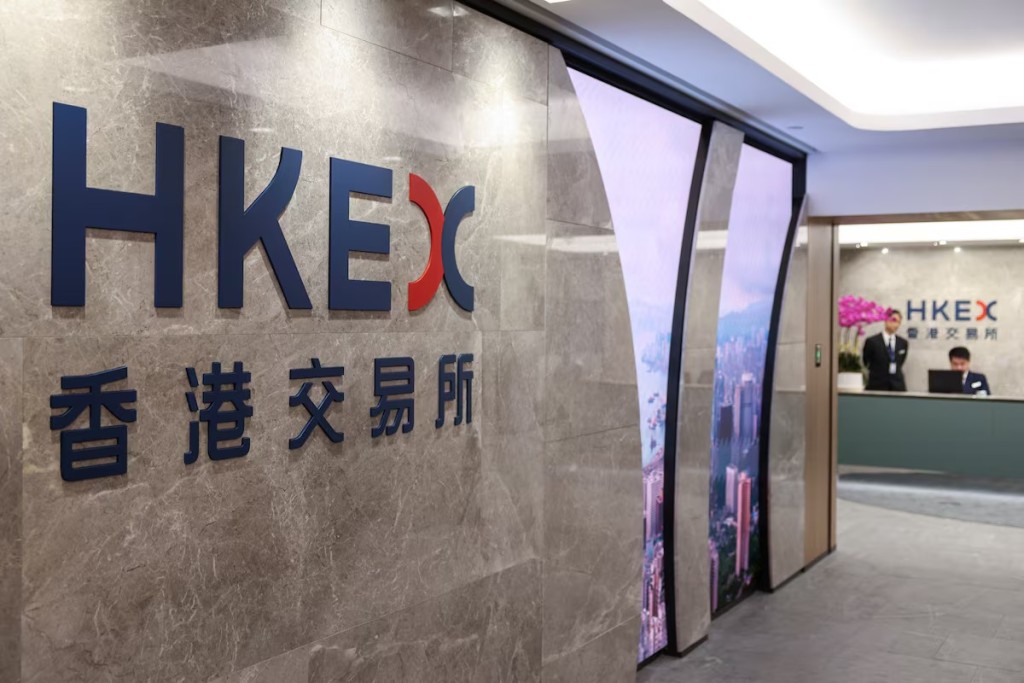
Meanwhile, Charles Li Xiaojia, chief executive of Hong Kong Exchanges and Clearing (0388), said many US-listed Chinese firms will likely list in Hong Kong this year, partly due to the political pressure. He stressed that all of the "great companies" that are coming back are already qualified, putting an emphasis on technology firms.
Market watchers do not expect a "bleak" June for Hong Kong stocks with an estimate that major secondary listings of mainland internet giants would boost turnover and attract northern capital.
Moreover, such listings may benefit certain "shadow stocks", which are already listed and have the same or similar industry as the newcomers and may also boost along with new stocks, analysts say. Investors are advised to buy low and not chase an uptrend.
Kenny Ng Lai-yin, securities strategist from Everbright Sun Hung Kai, says the HSI has reached its peak and bottom for this year during the first half, and sets a second-half target at 26,500 points, predicting the benchmark will be more steady and less elastic.
Ng reckons the index would not drop below a support level of 21,000-22,000 points this year.
Alvin Cheung Chi-wai, associate director of Prudential Brokerage, forecasts the overall market would be boosted by the debuts of JD.com and NetEase this month, and projects the HSI could hit 25,000 points.
Mainland game developer NetEase will debut Thursday to raise HK$21.09 billion. And China's No 2 online retailer JD.com is eyeing US$3.75 billion (HK$29.25 billion) from a dual listing on June 18, setting an offer price of no more than HK$236 apiece, Reuters IFR reported.
Citi predicted in an earlier report that the average daily turnover of the Hong Kong stock market could expand by 20 percent, driven by returning mainland firms, and the total valuation of Hong Kong-listed shares could rise by 10 percent. The institution has raised its target price of HKEX to HK$310 from a previous HK$278.
Shares of HKEX have climbed for five consecutive days to nearly HK$300, closing at HK$294.20 last Friday.
This came as mainland investors pumped over US$35.4 billion this year into the city's equity market, as of late-May, the most for the same period since 2017, Bloomberg reported. Analysts also foresee a stronger mainland-HK connection after Charles Li proposed last month to launch a primary market connect trial program in the Greater Bay Area.
Investment houses continue to pick cloud business operators in the new economy sectors. Among them, shares of Tencent-backed (0700) Weimob (2013) have surged over 1.6 times this year to HK$8.86 on Friday. The company, as the largest software as a service (SaaS) provider of WeChat solutions for small and medium businesses, is expected to benefit from a 32.4 percent year-on-year growth in Tencent's online advertising revenue during the first quarter, as well as potential collaborations with other platforms like TikTok and Baidu.
Meanwhile, Daiwa Securities has raised the target price of Kingdee International Software (0268) to HK$16, maintaining a "buy" recommendation. Shares of the enterprise cloud services provider have climbed 86.9 percent so far this year.
However, Cheung points out that new economy stocks have accumulated a lot of gains, and investors shall "wait and see" in the short term.
He recommends Alibaba (9988), instead, for the medium-to-long term, as the company has a larger chance to be included in blue-chip constituents. Also, it has not stored up significant gains since it debuted last year, he says, compared with other internet stocks like Ping An Good Doctor (1833), which has recorded an over 80 percent increase so far this year.
Kenny Wen-kit, wealth management strategist from EBSHK notes that Meituan Dianping's (3690) better-than-expected results have already been reflected in its current price, and investors may wait for another buying chance. The food delivery giant has seen a 26 percent jump in stock price after posting a smaller first-quarter net loss, approaching a market capitalization of HK$100 billion.
He reminds that there could be reallocations of capital as investors may offload their holdings in other technology and internet stocks to subscribe to new shares of JD and NetEase, instead of pumping new money into the market, given current uncertainties.
Wen projects investment markets, in general, maybe more volatile in the second half, and suggests investors focusing more on risk management with a diversified strategy, and buying stocks in phases on corrections. He also recommends gold for risk balancing.