Read More




Hong Kong CPI rises 1.7pc in April
10 hours ago
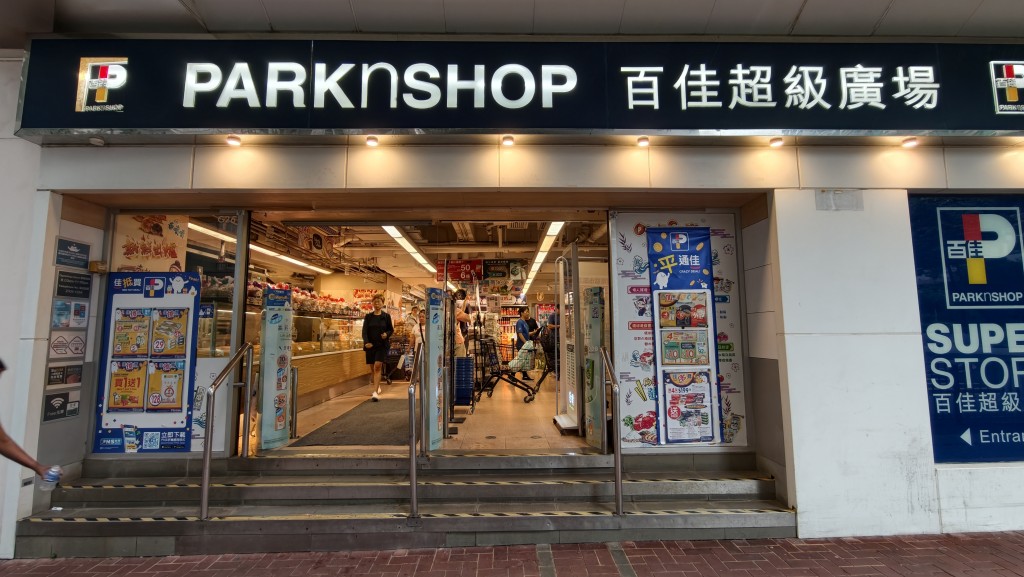
CK Hutchison: No plan to sell PARKnSHOP
11 hours ago

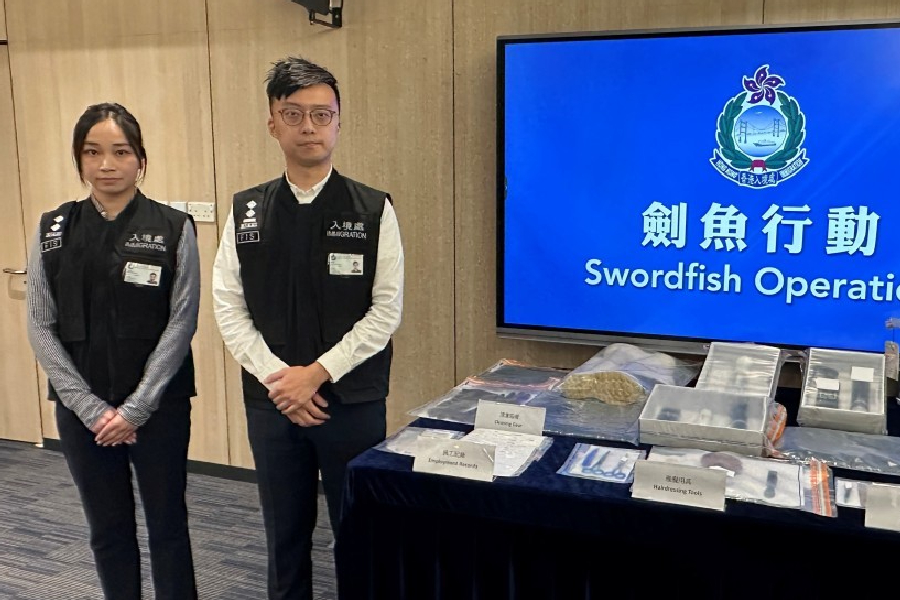
ImmD crackdown targets moonlighting domestic helpers arresting 17
19-05-2026 17:52 HKT

Investors should invest wisely in the upcoming wave of companies with weighted voting rights as minority shareholders would have difficulty to seek redress through a lawsuit when their rights are infringed, a lawyer warns.
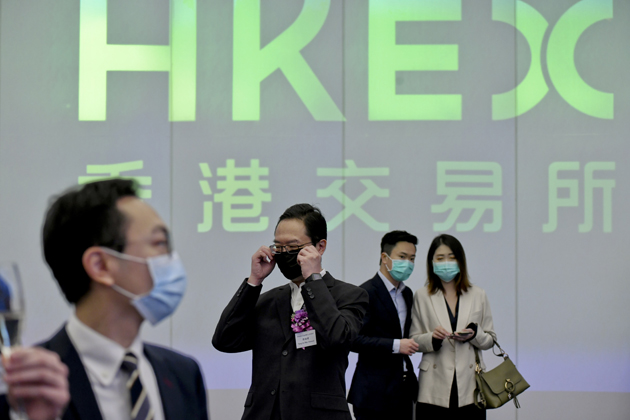
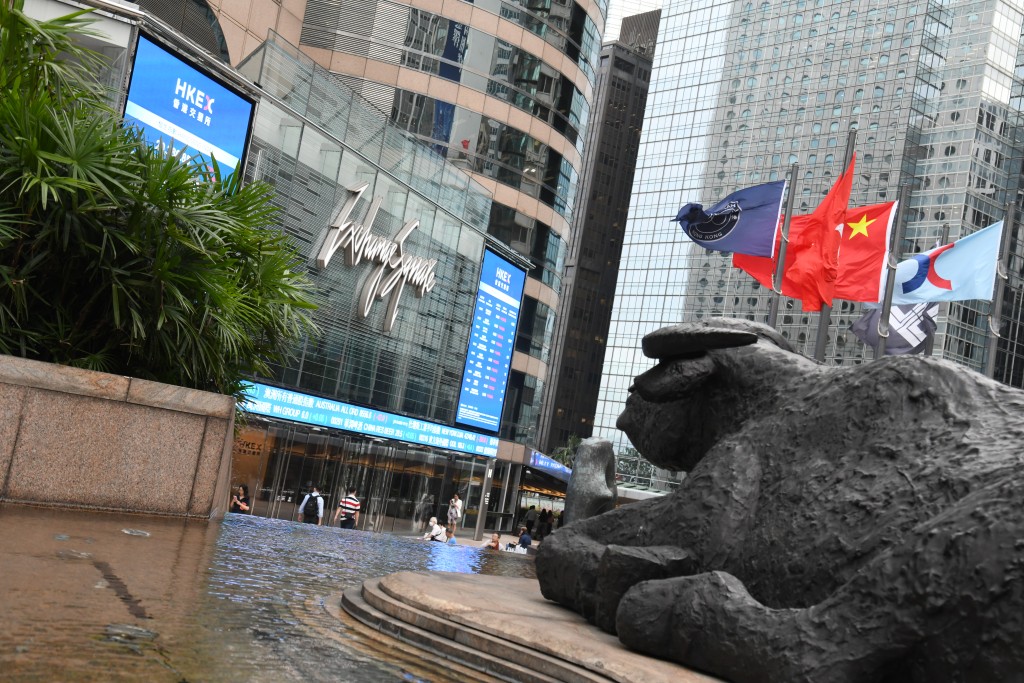
Hong Kong Exchanges and Clearing (0388) launched a consultation paper for corporate WVR at the end of last month, which allows companies to hold shares with extra voting rights in newly-listed firms.
The bourse operator has reformed its listing regime to permit companies with dual-class shares to go public in Hong Kong since 2018, but only individuals with an active executive role in the business can be WVR beneficiaries.
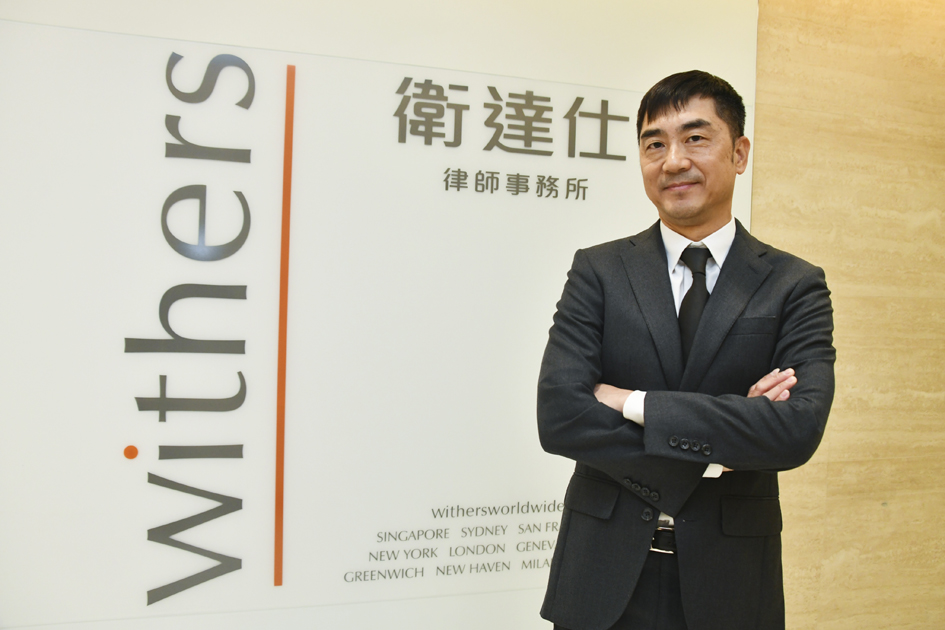
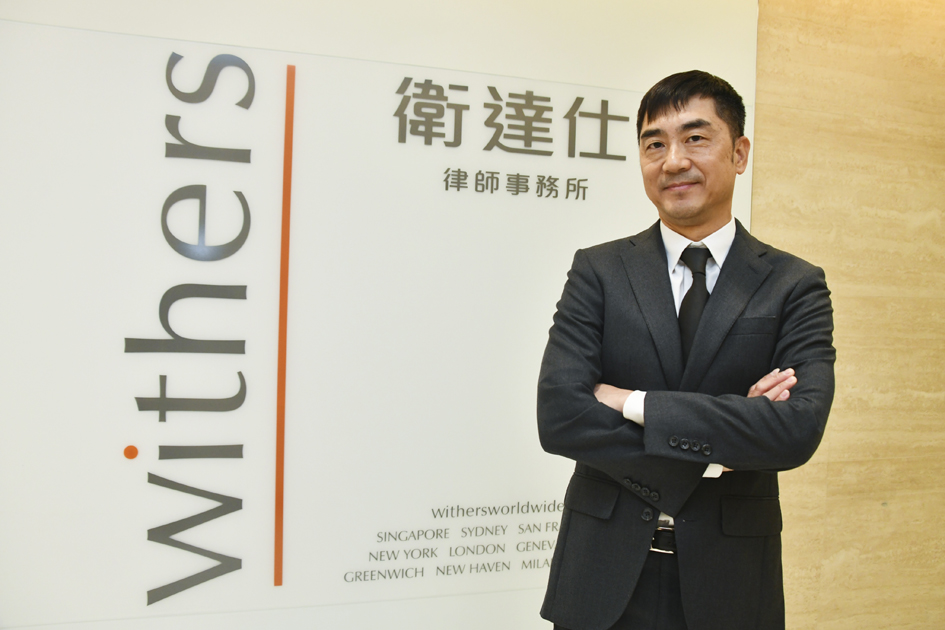
The decision to support the WVR structure is because HKEX and the Securities and Futures Commission aim to welcome more innovative and hi-tech companies to list in Hong Kong, says Mike Suen, a partner in the corporate team at Withers. But the drawbacks for having WVR companies are the unfair shareholders voting rights, he says.
Minority shareholders may be at a disadvantage under the WVR structure as Hong Kong doesn't have class action status as in the United States, which enables small shareholders to come together to take action against the listed companies, Suen says.
He adds there has always been an argument about whether Hong Kong should have this kind of legislation for the protection of the minority, but that involves a lot of political negotiations, and the listed companies and majority shareholders, of course, don't want any litigation.
Class action should also come with legal costs, as Hong Kong does not have a concept of "no-win, no-fee" like that in the US, he says. "So it may take a long time for the market to have a consensus as to whether we need a class action or not," he adds.
But Suen believes extending the WVR regime to companies is a good step towards welcoming more WVR companies to Hong Kong capital markets. "Allowing corporate WVR companies to list in Hong Kong would provide more flexibility and enhance the competitive edge of our markets," he says.
"I think we have to have an open mind to welcome these WVR companies to allow Hong Kong to compete with other stock exchanges," Suen says, adding Singapore has opened up its listing regime for WVR last year.
He adds the HKEX has already set out requirements for WVR listings.
For example, for individual WVR, the voting power of the super-voting rights shares should be no more than 10 times the ordinary shares. There is also a so-called sunset clause: if the founders die, resign or sell their stakes, their shares with super-voting rights will be converted back to the ordinary shares.
According to HKEX's consultation paper, the corporate WVR holders can only carry not more than five times the voting power of ordinary shares and it must be primarily listed in HKEX or on a qualifying exchange with a market capitalization of at least HK$200 billion. The consultation ends in May.
Suen also expects more biotech companies coming to Hong Kong this year as HKEX has approved pre-profit biotech listing since 2018.
But commenting on unprofitable biotech companies, he says it is a risk and rewards situation, "you have to understand what kind of risk you are dealing with, what kind of product the chapter 18A companies [unprofitable companies] are producing or the research they are doing."
The number of listings in the Growth Enterprise Market slumped from 80-100 a few years ago to only 16 in 2019. Suen expects the trend will continue this year.
The GEM board will fade away and be less important, he says. That's because HKEX takes the GEM board as a "secondary" listing platform and places more importance on the mainboard. And investors have become less interested in GEM board companies given the value of shell listed companies is no longer as much as they had a few years ago, he says.
However, small companies will find it very difficult to list and raise money under the trend. "I think that is pretty simple because HKEX is also a listed company, they are running a business, they need to make a profit," he says.
There has been a lot of discussion about this conflict of interest of HKEX, which is a listed company and also oversees the market. Suen believes for the long term, HKEX will pass over their duty and responsibility for looking after listed companies to the SFC. But for the short term, HKEX still wants to hold the power as it could use enforcement power to make a profit from listing fees, monitoring fees, etc.
In addition, the virus has hit the local IPO market as only two companies priced IPOs after the Lunar New Year. Some companies have postponed investor meetings and even canceled plans.
Suen warns the virus could have a far more significant impact on Hong Kong IPOs than political developments last year. A delay in IPO timetables is unavoidable before the virus is under control, he says. "Roadshows will likely be canceled, sponsors are not able to perform proper due diligence and accountants are no longer able to conduct site visits and field audits due to closure of borders.''