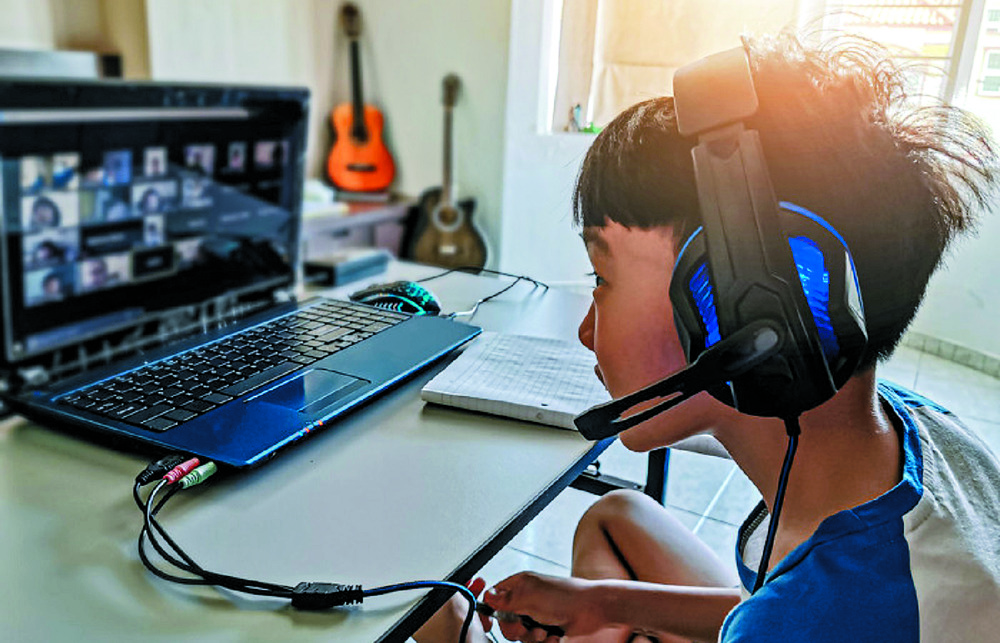
Schools are mini-societies, hence it's safe to say that the constantly-evolving Covid-19 virus has impacted all stakeholders, especially those of primary schools - both locally and globally.
After weeks of suspended classes, various measures were implemented in schools with the hope of minimizing the loss to studies during these testing times. While learning at school has started returning to normal, it is still not fully so.
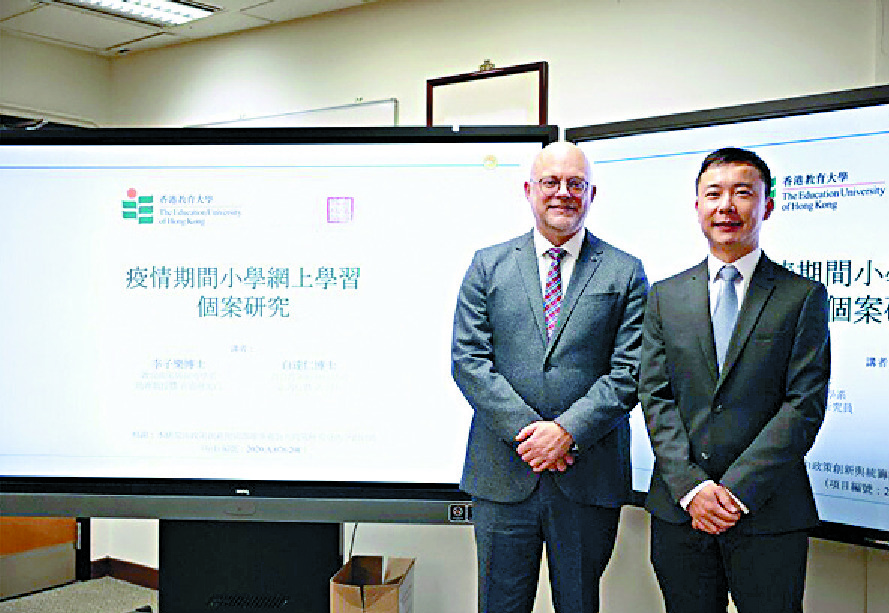
The Education University of Hong Kong has released the results of a case study about online learning in primary schools during Covid.
Two rounds of surveys were conducted between February 17 and November 15 by the university's department of education policy and leadership, which collected responses from 141 schools.
The results show that the online lesson adaptation rate during Covid was significant: almost half the primary schools surveyed had 80-100 percent of their regular classes go online, while more than 80 percent of the schools had over 60 percent of normal schooling take place on the internet - a huge and unprecedented transformation.
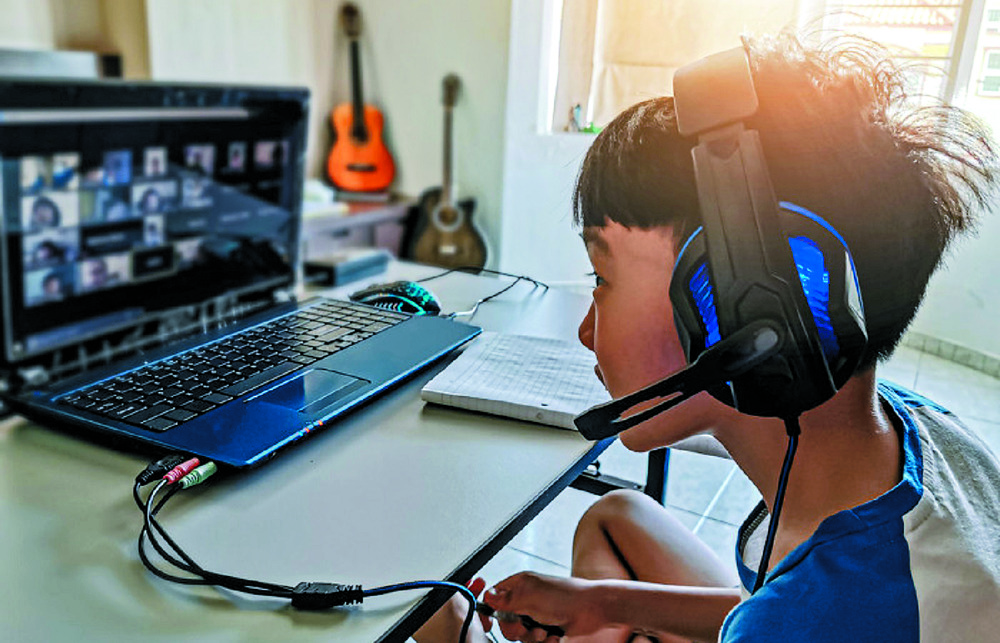
When it comes to online learning, digital resources are essential for a comprehensive learning environment. But the surveys revealed a lack of digital resources for primary students.
The results deemed a lack of computer software, digital pens, microphones, personal computers and headsets to be the top five pieces of equipment hindrances to students' efficiency in online learning.
Lower-income families assisted by the School Textbook Assistance Scheme felt more strongly about this.
More than 80 percent of parents felt stressed about having to handle technical problems while simultaneously tackling challenges at work.
Meanwhile, children's discipline and emotional state were the two biggest concerns highlighted. Less than half the parents felt confident in singling out these problems and just about half of them guided their children in tackling issues faced.
This problem was seen among both STAS- and non-STAS-receiving families, but is more severe in the former group.
This is why Trevor Lee Tsz-lok, assistant professor of education policy and leadership, said online learning reveals educational inequality in society.
"Lower-income families are deprived in terms of digital resources and digital literacy," he said.
"The more serious problem is the lack of a suitable learning environment at home and the relatively low level of parental engagement in their children's learning."
But the survey also revealed another side to the story, Lee said - that less attention has been paid to the non-digital aspect of online learning.
Primary students who were swept into online learning not long after starting their foundational stage of learning are most likely to find the switch strange and hard to adapt to as even physical schooling is still a new concept for them to get used to.
"Primary school pupils are so young and would find it challenging to attend online classes independently. Especially P1-3 pupils, who hardly learn without parents' or adults' support." Lee said.
More than 80 percent of the surveyed senior students had encountered challenges of various kinds during online learning.
Finding it hard to focus, falling behind, insufficient time to rest and not being able to communicate with classmates were four of the leading problems they faced.
A comfortable environment is also very important when it comes to learning.
Study desks and a quiet environment are not enjoyed by all - only half of the STAS-funded students got to study in a quiet environment, making online classes at home a difficult task for some.
And teachers are not exempt from the impacts of the switch - the pressures caused by the collection and checking of homework and class preparation have both increased significantly compared to before the pandemic arrived.
The survey also showed a surprising 70 percent of teachers had contacted parents more than three times a month, while only 34 percent needed to do so before in-person classes ceased, leading to a huge increase in workload.
With the alternative use of online learning over the last two years, there have been suggestions for the implementation of blended learning in the future, where students can learn on and off campus. But before that is made possible, some fundamental problems concerning the wider application of online learning should be ironed out to make it the most advantageous.
Lee suggested the authorities provide schools with additional funding and more flexibility to use resources strategically in different circumstances, such as employing additional staff and upgrading digital resources and technologies.
Additionally, a comprehensive review of the challenges and experiences of teaching and learning during the pandemic should be conducted and led by authorities in formulating a long-term policy for the future development of education.
charlie.ng@singtaonewscorp.com
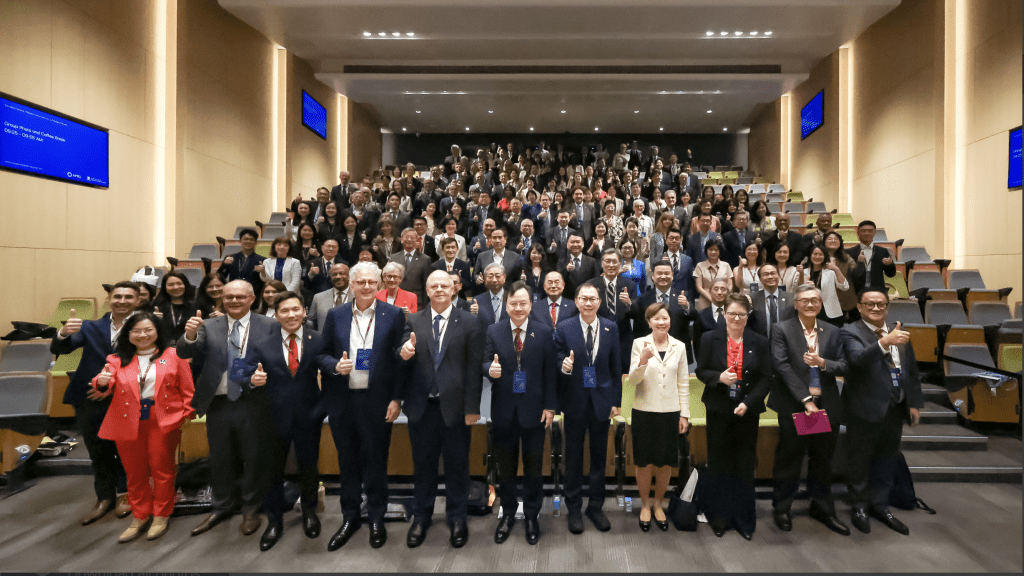
Presenting the findings are Darren Bryant and Trevor Lee.