Read More

Nobel laureate inspires HK students at St. Joseph’s College forum
19-03-2026 23:11 HKT
Boy, 13, dies after falling from flat in Tai Kok Tsui
28-05-2026 01:47 HKT
The earth may keep on spinning but another eternal truth is that natural resources like water, soil, plants and animals aren't inexhaustible. Each and every resource counts and they have a reason for being there.
So does the need for a sustainable future, especially for new generations.
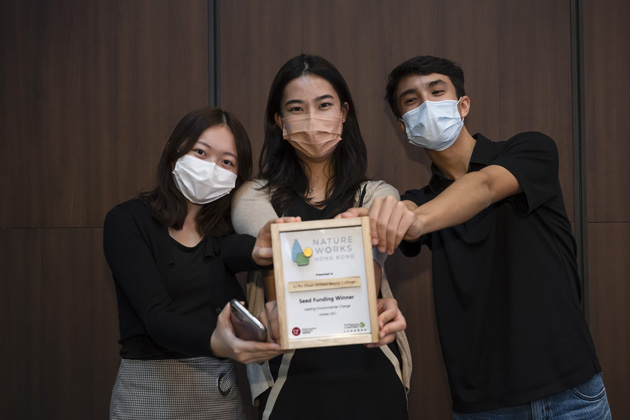
As part of the Nature Works program, hosted by The Nature Conservancy in partnership with the English Schools Foundation this year, 13 teams from both ESF and international schools vied to win HK$10,000 to implement their environmental proposals.
Three - South Island School, Li Po Chun United World College and ISF Academy - emerged victorious.
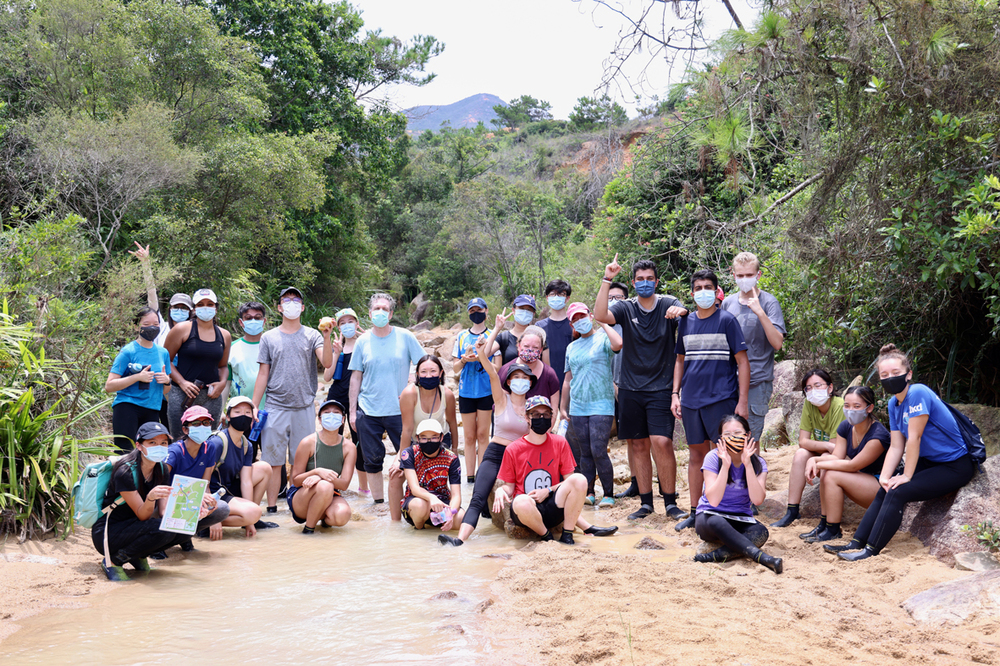
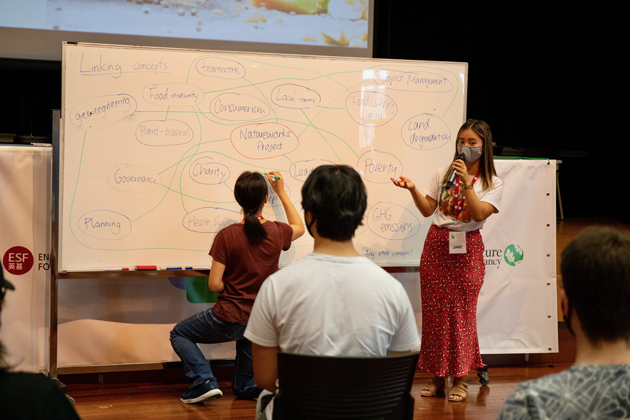
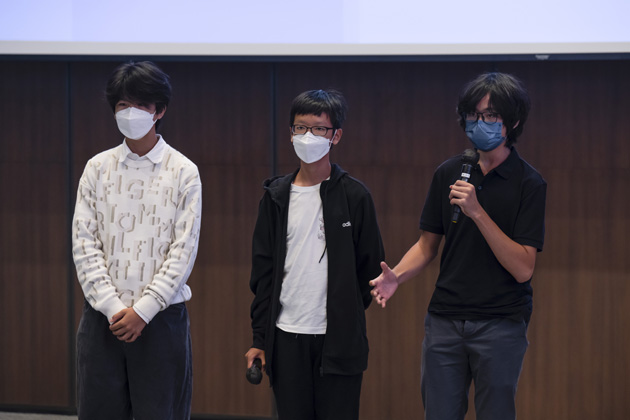
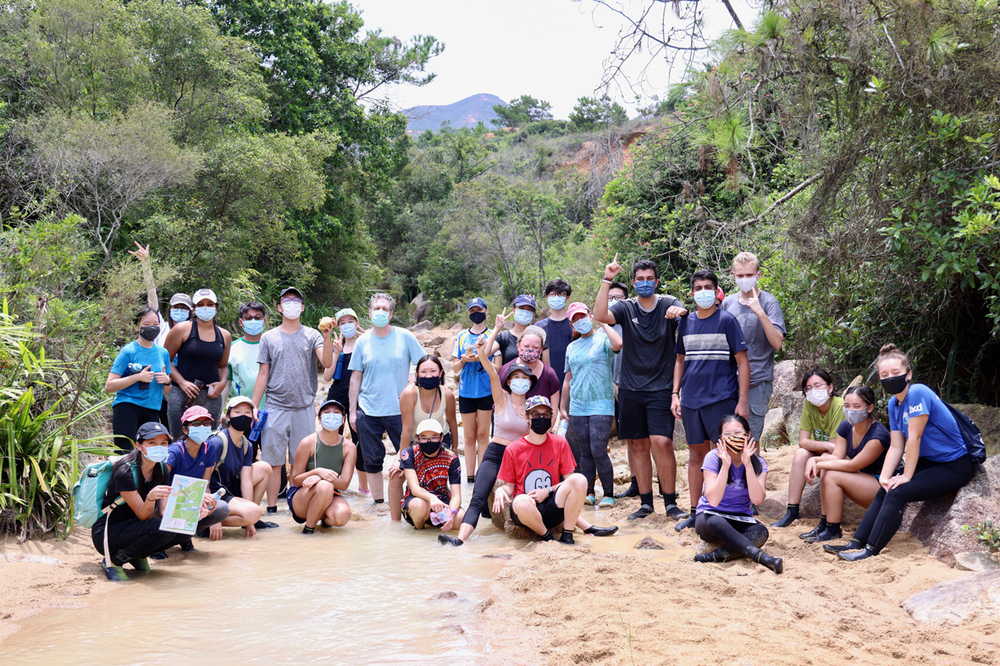
After eight months of progress since March, including a series of talks, workshops, team-building activities and a summer camp for oyster reef conservation and biodiversity surveys, the teams, comprising three students each, condensed what they had learned into a four-minute contest to present their sustainable proposals.
Marine Thomas, the senior conservation program manager from The Nature Conservancy Hong Kong, said: "In this leadership training program, we hope to nurture young leaders in the environmental field. Several members of the Nature Works organizing team this year are actually alumni of the program."
The ideas for the students' proposals came from their discoveries and investigations into the place they were most familiar with: school campuses.
South Island School's team discovered that the school was throwing away more than 10,000 plastic whiteboard markers - equivalent to 23,000 plastic bottles - every year.
Their solution? Sustainable whiteboard markers which last up to 13 times longer than a normal marker. A total of 8,400 kilograms of plastic waste will be saved annually if their design is adopted by ESF's 22 schools.
The school already has a sustainability council so the team said: "Our next step is to convince teachers and students to take on the minor inconveniences in implementing our project and normalize the sustainable measures because these would be very much beneficial and cost-effective in the long run."
Students from the Li Po Chun United World College team discovered their school's average water consumption was 1.6 times higher than the Hong Kong standard. So they designed rainwater collectors and water-saving shower heads as well as tailor-made Spotify playlists for the school showers to reduce water usage in a pleasing ambience.
The team said: "The program allowed us to put our skills of critical thinking, analytical problem-solving and innovating to the test, making our ideas so that they can be put into action."
It also helped them tackle logistics problems, such as where best to place the rainwater barrels to maximize the use of the water.
Air-conditioners contribute to 30 percent of the power consumption, equating to 426,343 in wasted kWh annually.
Students from ISF Academy came up with the idea of automating air-conditioning, which can save 284 tonnes of carbon emissions as well as 400,000 kWh, or HK$500,000.
"We learned the importance of a quick, clear and concise presentation," the students said of their Nature Works experience.
"Our main challenge now is developing our algorithm to control each and every air-conditioner in our school to automate their functions."
The final outcome of the projects is unknown at the moment but Thomas said at least it would encourage teenagers to keep paying attention to local and global environmental and sustainability issues.
"It is important for students to get outside more and learn about Hong Kong's amazing biodiversity," she said.
"By seeing firsthand Hong Kong's natural beauty, they will also be more apt to fight for its preservation in the future."
charlie.ng@singtaonewscorp.com