Read More




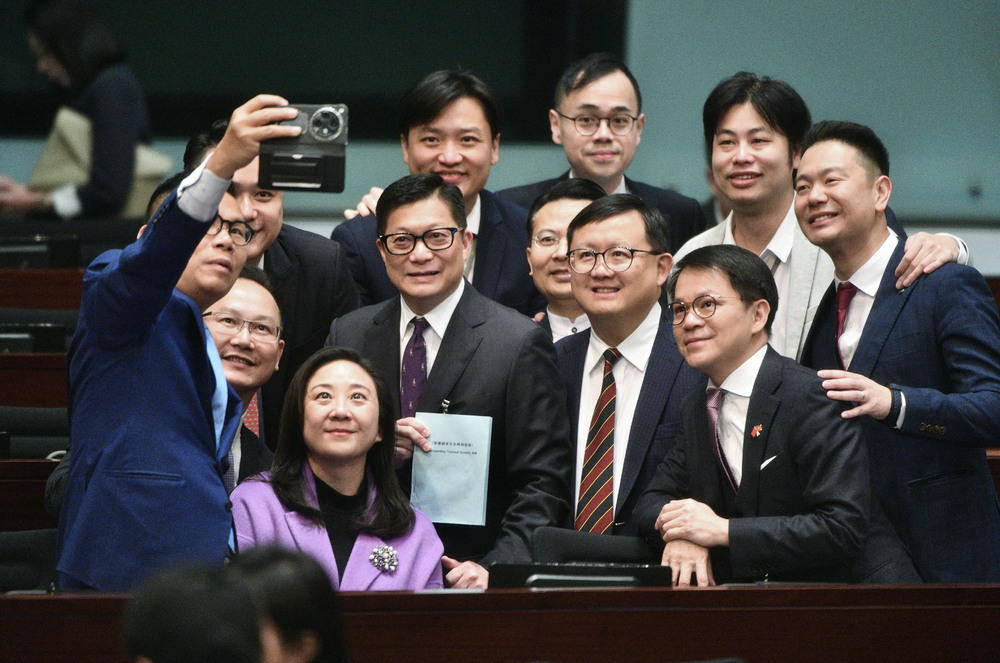
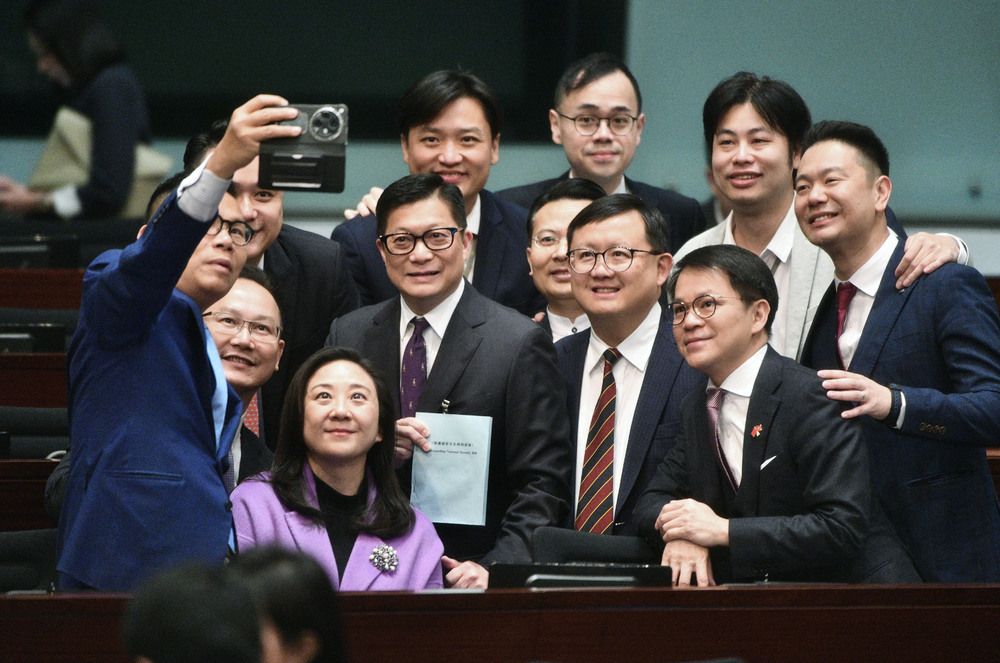
Lawmaker Carmen Kan Wai-mun is not wrong to call the day historic after the Legislative Council pushed through the Article 23 law at astonishing speed.
According to Article 23, the SAR is obliged to enact laws on its own to prohibit a range of anti-state acts from treason, secession, sedition, subversion and theft of state secrets to establishing ties with foreign political bodies as well as banning foreign political bodies from operating in the SAR.
Technically speaking, the article already faded into history after the Safeguarding National Security Bill sailed through the second and third readings to become law in a matter of hours.
In tandem with the National Security Law slapped on the SAR by Beijing in 2020, the new safeguarding law will make Hong Kong a place armed to the teeth on matters of national security concerns.
If the NSL enabled the SAR to move from "chaos" to "prosperity," the newly passed law should place the city in a position to move even further.
Is Hong Kong prepared to turn a new chapter? Will the government also be able to act on the economy at the speed of light?
The economy is fast becoming a major concern for workers as the catering industry has estimated about 3,000 restaurants are in danger of closure amid reports that some retail chains are taking active steps to downsize their network coverage.
This is not good news for ordinary workers. Employment could quickly emerge as a major issue, with employees preoccupied with concerns over their rice bowls more than the Safeguarding National Security Law, previously known as Article 23.
But the government has just proved that where there's a will, there's a way. So if there is a will to make good Hong Kong's economy, there must be a way too.
This is exactly what most Hongkongers - including many of the lawmakers who had made invaluable contributions to the passage of the Safeguarding National Security Law - are eager to see.
According to Secretary for Security Chris Tang Ping-keung, the new legislation was more than 99 percent supported by the city based on the numbers the authorities collected during the consultation period.
Support for the legislation was unanimous in Legco with no dissent - a fact the government will no doubt refer to while rebuffing overseas critics.
It took many aback when the chief executive and a troop of lawmakers had to rush back to Hong Kong from the all-important "Two Sessions" political event in Beijing to finish scrutinizing and passing the bill in no time. Perhaps they were aware of a situation only known to the privileged few.
How will the US and its Western allies react to the law's passage? Lawmakers are believed to be well prepared no matter what may occur but sanctions - or even more sanctions - are nothing new to them.
Now that the SAR has completed one of its constitutional duties by enacting Article 23, it is vital for Hong Kong to set its sights on what lies ahead.
Article 23 is one of several Basic Law provisions defining what the SAR should accomplish over time. Various expectations are also spelled out in other articles, such as 45 and 68, on constitutional development.
But the economy remains the immediate and most pressing concern for Hongkongers.