Read More





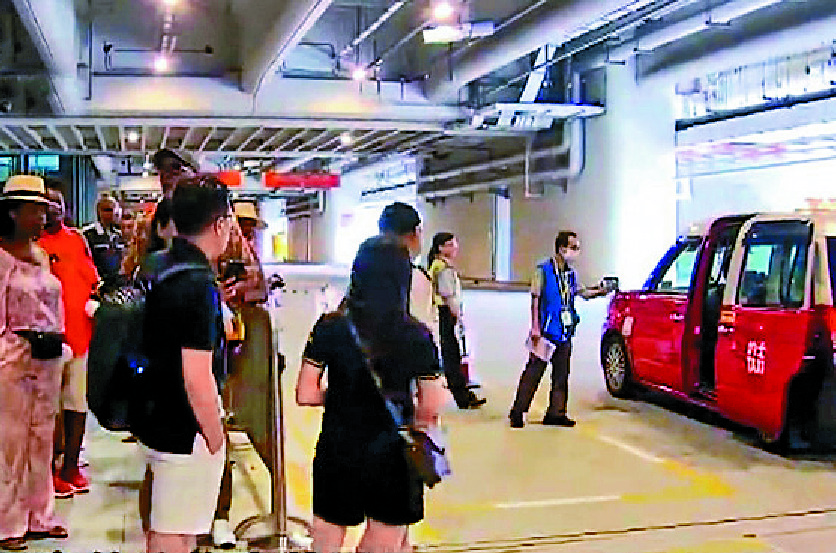
The anguished wait for transport to local attractions should never have occurred.
The need to upgrade transport links to the terminal cannot be over stressed.
Compared to Ocean Terminal in Tsim Sha Tsui, Kai Tak is spacious and offers the potential to become a holistic hub of its own with a wide range of services from food and beverage to entertainment for visitors.
If successful, it could also become an attraction for locals to hang out.Ocean Terminal owes its success to its convenient location in Tsim Sha Tsui where all manner of shopping, entertainment and dining are readily within reach. These combine to give visiting passengers a good experience.
Yeung, the secretary for culture, sports and tourism, should be credited for working with others in the tourism industry to pave the way for the operator of Asia's largest cruise vessel, Spectrum of the Seas, to use Hong Kong as its home port again after relocating to Singapore during the pandemic.That is a concrete step to making Hong Kong a cruise hub, but more needs to be done in light of the setbacks at the terminal last week.
It is common sense that, if passengers rate more stars for their experience, other operators may follow to use Hong Kong as the home port for some of their vessels.By the same token, if passenger experience has been bad, it will discourage others from following suit.
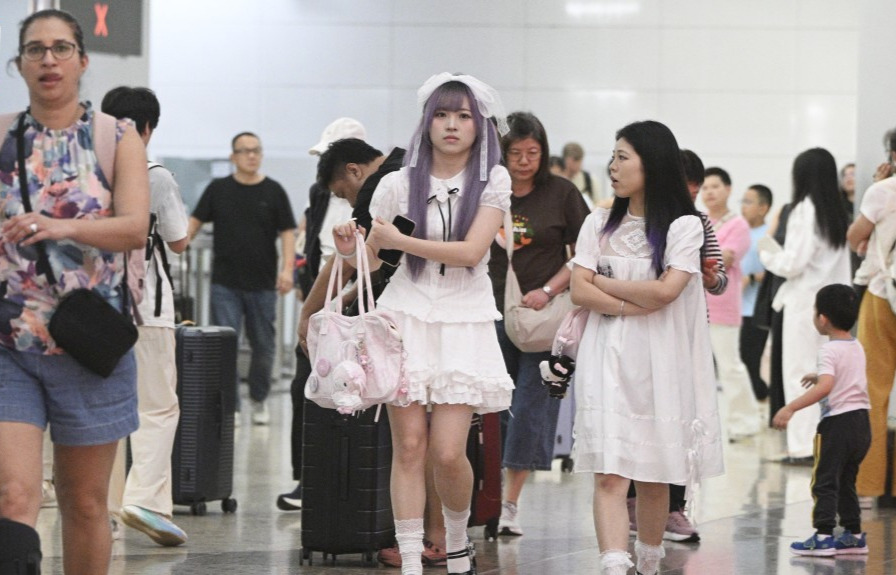
The city was inundated with negative publicity when passengers complained it was almost impossible to leave the pier while they were expected to stop in Hong Kong for seven hours.It would be unfair to blame the terminal operator Worldwide Cruise Terminals for the situation since public transport planning is more a government policy rather than a private initiative.
Yeung and Lam must work together to make the Kai Tak terminal accessible.Terminal facilities have been vacant after tenants were forced to leave during three years of the pandemic.
The vacancy is less a worry than the transport shortage. If the terminal becomes accessible, footprints will increase and businesses will move in again.It is of utmost importance that accessibility to the terminal is improved. The concept of the city being a home port for the Greater Bay Area cruise experience cannot save it if the transport bottle neck is not overcome.