Read More
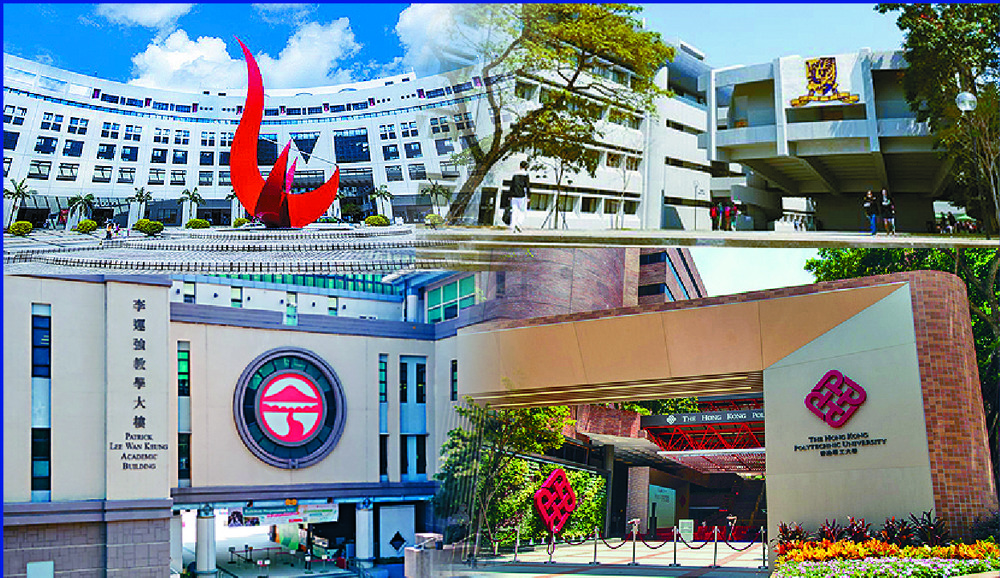
Recent setbacks of Hong Kong universities in QS global rankings should serve as a wake-up call for a more coordinated approach to higher education.It would be self-deceiving to think the results have little to do with them.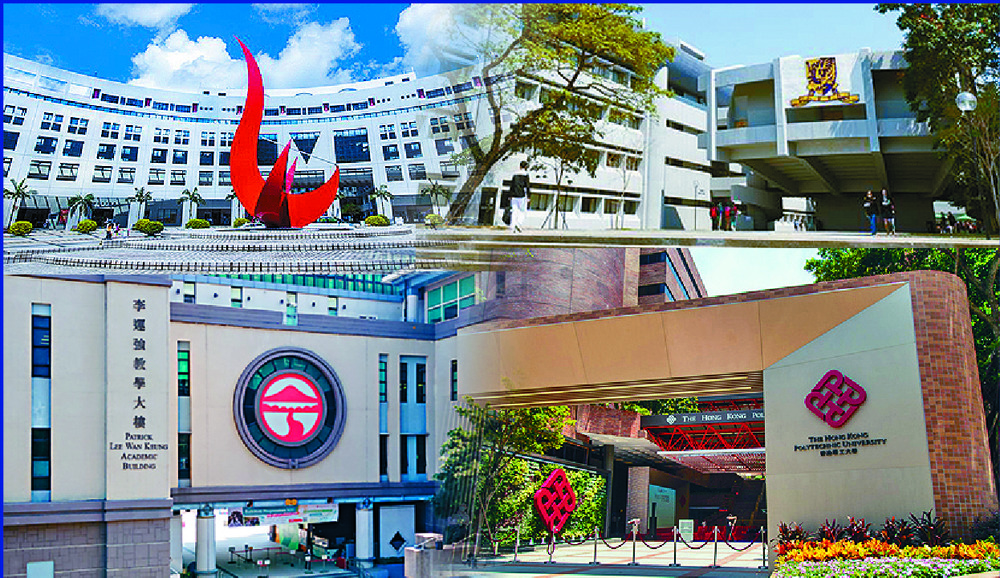
Whether a university is ranked due to commonplace prejudice or not, education officials should also learn from the results to see whether or not they can do more to facilitate an environment in which higher education institutes in the city can progress further.
ADVERTISEMENT
SCROLL TO CONTINUE WITH CONTENT
Most universities in the SAR tumbled in their rankings after new parameters, including graduate employability and international research networks, were included in the QS assessment - and that requires self-reflection.
If the understanding of "international research network" is already self explanatory, as its title infers, should employability also be viewed with a global perspective, bearing in mind that graduates competitive in the local labor market may not be competitive in other markets.
Perhaps Secretary for Education Christine Choi Yuk-lin should take up from where her predecessors - including the immediate past education chief Kevin Yeung Yun-hung - had stopped in making the city truly a regional hub for quality education.
The ambition is not new, dating back Donald Tsang Yam-kuen's time as chief executive.Maybe his successors were preoccupied with the city's housing woes, but successive administrations have not given due efforts to keeping the policy on track - with the exception of a handful of initiatives rolled out by the University Grants Committee.
For instance, the UGC doubled the intake of non-local students to 20 percent of enrollments to give local universities an international mix. In support of this, scholarships financed by public funds were also introduced.Still, what has been missing is a coordinated strategy that can only be led by the government, rather than leaving individual higher education institutes to struggle with it.
Singapore has done a great deal on this, with the government playing a lead role.According to Lingnan University vice-president Joshua Mok Ka-ho, the approach by the Singapore government has been rather systematic.
The Singapore government first identified major gaps that the Lion City was lacking and would need to strengthen in the long term.It then invited world-renowned universities in these identified fields to set up local programs or campuses for areas of study with which it must catch up.
For example, INSEAD was invited to set up its Asia campus in the Knowledge Hub District of Singapore, while others collaborated with MIT and Yale to provide various programs.In international networking, English is perhaps the most recognized language. To be excellent in higher education, the English language must be widely used as a common means of communication in campus.
Perhaps Choi should consider raising the quota of non-local students further to include more foreign students from other Asian countries on top of admitting mainland students who now account for most of the non-local students, since a broader mix of nationalities from Asia would help create a multi-national setting in campuses.Our universities cannot accomplish these on their own. The government must take the lead.