Read More












Long queues at border checkpoints as Easter holiday travellers return to HK
07-04-2026 02:45 HKT

Nearly 1.26mn Hongkongers hop out of town, with 225,000 crossings by 10am
05-04-2026 17:11 HKT
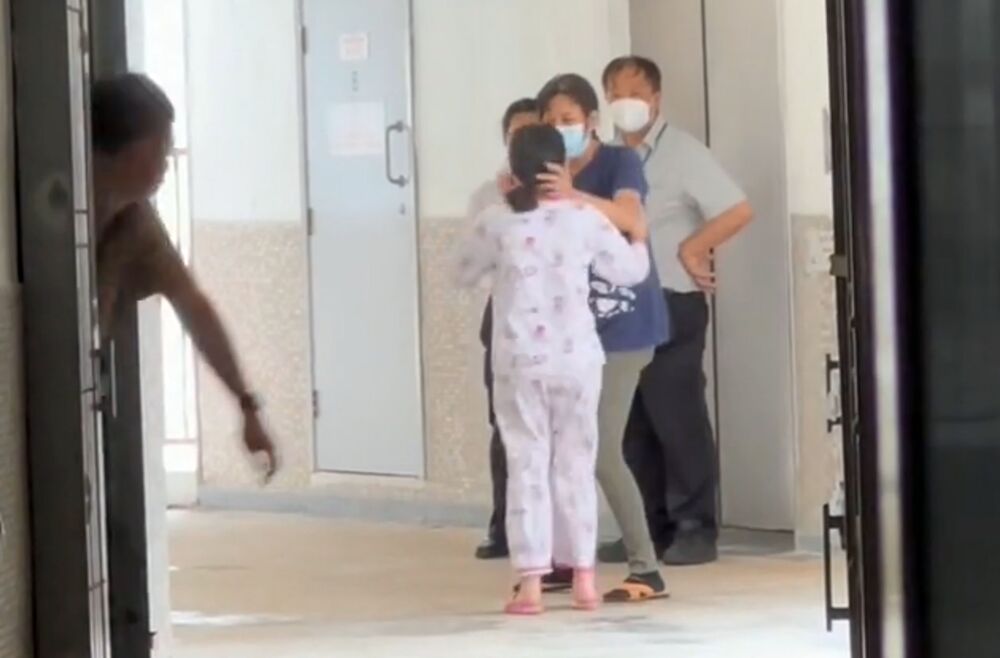
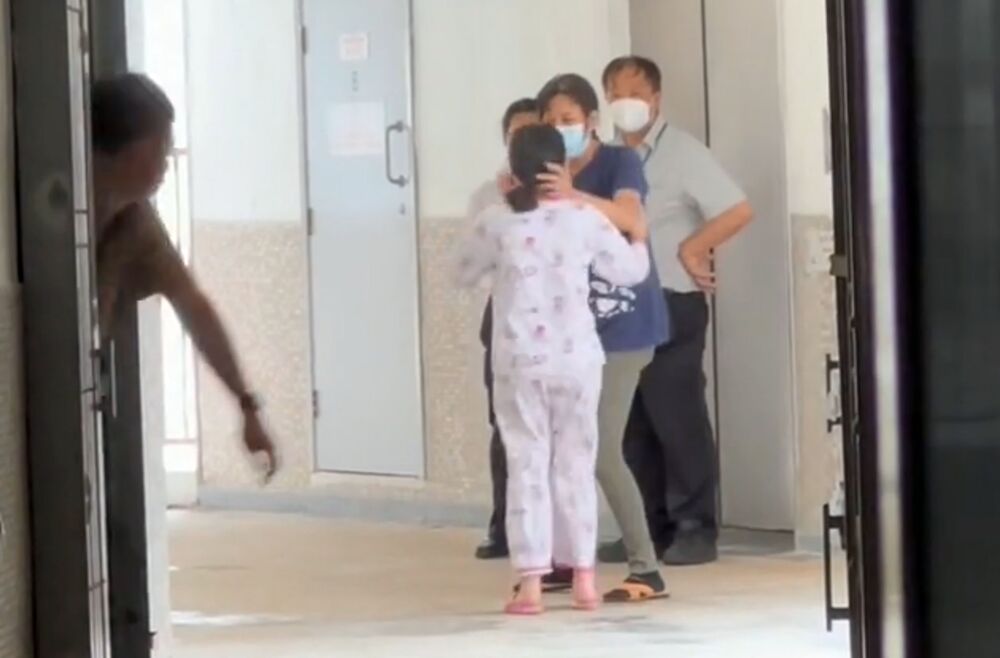
It is heart-wrenching to read the story of how a father of advancing age attempted to kill his severely mentally disabled daughter before hanging himself in a changing room in the clubhouse of the Tuen Mun housing estate where they lived.
Had the man's wife not intervened in time, their 39-year-old daughter would also have died.
It would be almost impossible for others - who are so blessed that their children are healthy - to imagine the distress and sorrow that this family and others in a similar situation have gone through.
This tragic case was a cry for help and, sad to say, many families are trapped in a similar crisis situations.
There are families in which children are suffering from severe disabilities. As they mature into adulthood, their parents also age and their own health starts to decline making it increasingly much more difficult to look after their adult offspring.
There are also many families in which elderly parents suffering from chronic diseases or immobility are looked after by single children. Torn between work, household and caring duties, these carers at times feel thoroughly exhausted.
While it would be impossible to group the various family situations under one category, they do share one thing in common: these people need help.
The Tuen Mun father was in need of help but he made the wrong choice when he tried to end what increasingly appeared to him to be endless pain.
I am sure that support is available. The problem is that, for those who are already struggling in the trap, such support may seem to exist in name only because it falls seriously short.
The authorities must do more to help these carers, of whom it is estimated there are at least 300,000 in the city.
Although it would be imprudent to assume each is in a similarly dire situation, it is most likely that the number is high.
Perhaps the government is already taking steps to offer help, such as increasing the living subsidy for carers, but the problem is that there is only a quota for 10,000 carers.
Also, the authorities only provide a few hundred bed spaces for temporary care. Although better than none, these are just a few drops in the ocean - too little to cause even a ripple in the face of the scale of the problem.
What can the government do? It should consider adopting a holistic approach.
Before committing additional resources that will take longer to work their way through the administrative process, officials could immediately place existing resources under one roof so that families in need can access all kinds of assistance with just one visit.
Meanwhile, government officials will have to plan long term since the number of cases will only increase as the city's population ages.