Read More








HK braces for 7-degree plunge and heavy rain on Fri as cold front arrives
22-04-2026 13:19 HKT
Rolex and diamond ring stolen from sleeping man in Tsim Sha Tsui park
22-04-2026 12:18 HKT
In Tokyo, Hong Kong athletes pulled off their best performance so far, winning a record number of medals - one gold, two silver and three bronze.
That's amazing, even if compared to the top four winning countries.
It was such a tremendous achievement that no political figures missed the opportunity to claim some of the credit - even though most of the credit has to go to the athletes, their coaches and the rest of the supporting teams.
Would the outcome have been better for the Hong Kong team had there not been the political outcry over the jersey color won by Hong Kong's top badminton player during a match early in the games? We will never know whether or not the incident cost the city a medal.Nonetheless, let's give the Hong Kong team a standing ovation.
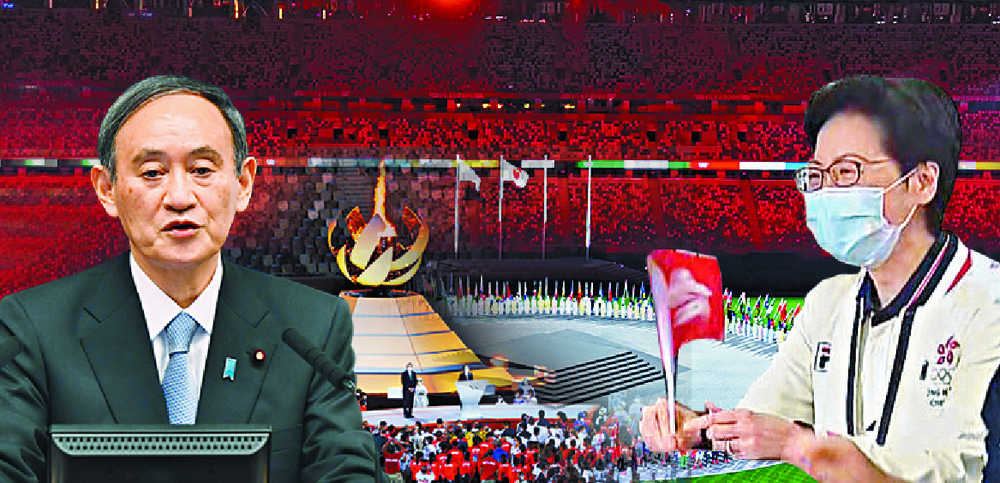
Chief Executive Carrie Lam Cheng Yuet-ngor was smart to have secured the broadcast rights to air the competition to every home.So she may be forgiven for raising some eyebrows for making efforts to try to appear virtually together with bronze-medal cyclist Sarah Lee Wai-sze.
The success of the Hong Kong athletes in Tokyo could render some support to Lam's popularity, but it would not be possible to gauge how much without conducting a proper poll.Having said that, this will not have any significant impact on her chance of getting re-elected next year because the chief executive is elected by a 1,500-member committee and it will be entirely Beijing's decision.
The record-breaking achievement of Hong Kong athletes has improved the social atmosphere here, but it is too remote to tie it to the chief executive election.This is also the situation in Japan. Despite the successful launch and conclusion of the Olympics in the wake of huge constraints caused by the Covid pandemic, Prime Minister Yoshihide Suga has not won any political breathing space.
Contrary to expectations, a poll conducted by the Asahi newspaper at the weekend showed Suga's support dropped to a new low of 28 percent - the lowest since he took over from Shinzo Abe as prime minister in September last year.Japan will hold a general election later this year and the poor post-Olympic rating instantly darkens Suga's political future.
The opposition in Japan may still be too weak to defeat the ruling Liberal Democratic Party, but Suga's low support makes him vulnerable to competition from within the party, with the probability that he will be replaced by someone from within the party.Will Abe stage a return to power?