





Read More







Alex Chui makes IMO history with perfect score and record seventh medal
27-07-2026 19:51 HKT
Japan’s LOFT to open first Hong Kong store at MOKO in August
27-07-2026 14:33 HKT


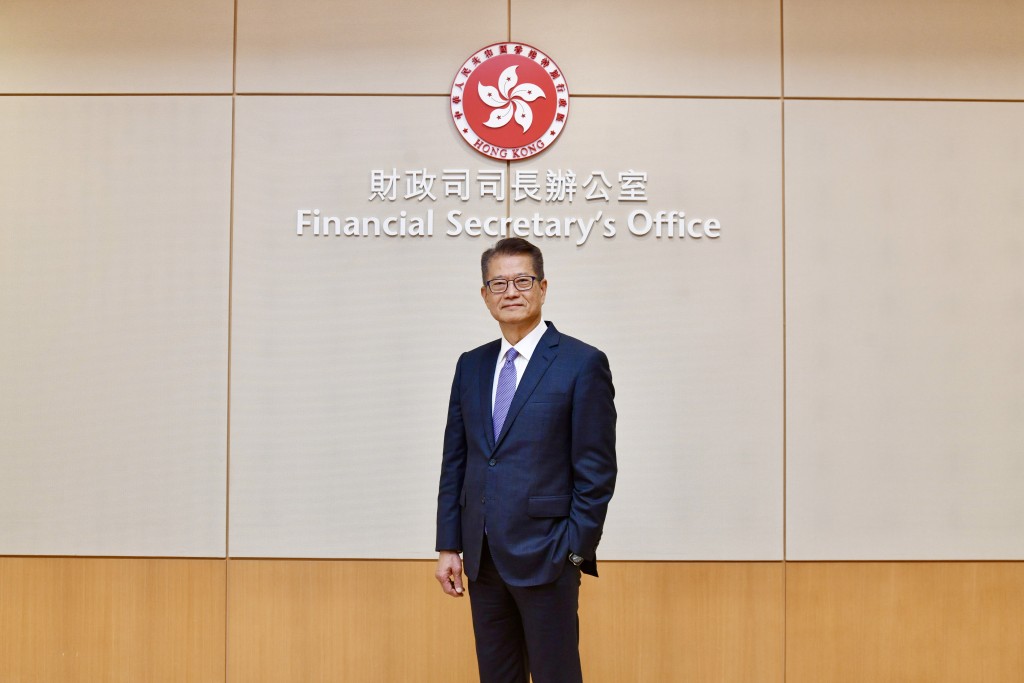
While key economic indicators are rebounding, Financial Secretary Paul Chan Mo-po must balance optimism with caution in this year’s budget, as the city’s recovery remains uneven and new economic realities demand strategic spending.
As Chan prepares Hong Kong’s latest budget, he faces a complex puzzle. On the surface, the picture is bright: tourism and retail are surging, stock and property markets are bullish, trade is resilient, and unemployment rate remains low. Yet, a deeper look reveals the city has not yet fully regained its pre-pandemic economic peak, and profound structural shifts are underway. A prudent, forward-looking fiscal approach is not just advisable – it is essential.
Secretary for Culture, Sports and Tourism Rosanna Law Shuk-pui has expressed well-founded confidence, projecting visitor arrivals to exceed 50 million this year. This is a robust rebound, signaling Hong Kong’s enduring appeal. However, it remains significantly below the record 65.15 million arrivals in 2018, representing a 23 percent gap. The composition of visitors has also shifted. In 2018, mainland tourists constituted 83 percent of arrivals; today, that figure stands at 76 percent. While this indicates a slight dependence reduction, it also means the absolute number of mainland visitors – who alone numbered 51 million in 2018 – has yet to fully recover.
More critically, visitor behavior has transformed. The era of mainland tourists primarily seeking luxury goods like jewelry and watches is evolving. Today’s travelers, both from the mainland and elsewhere, increasingly prioritize unique experiences and cultural immersion.
This shift requires Hong Kong’s tourism sector and authorities to innovate and invest more to attract and cater to a broader, more diverse audience, which can be more costly and effort-intensive than servicing the previous retail-centric model.
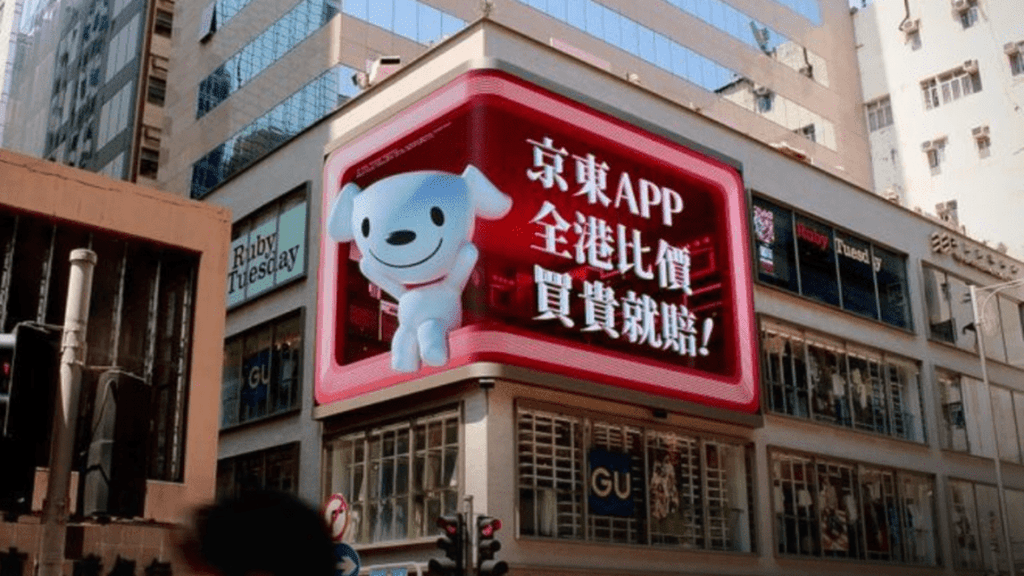
The recovery’s texture is further complicated by lasting changes in consumption habits. The explosive growth of online shopping and food delivery platforms is now a permanent fixture for both residents and visitors. This digital shift partly explains the perplexing phenomenon of shuttered shops and restaurants even amid an overall positive economic outlook. The high-street retail and dining landscape is undergoing a permanent transformation, challenging traditional business models and commercial property markets.
Externally, the environment is fraught with uncertainty. Geopolitical tensions and a volatile global financial market, influenced by fluctuating interest rates and geopolitical conflicts, add layers of risk to Hong Kong’s open economy. While local stock and property markets show strength, they are not immune to these external shocks.
In this context, Chan’s emphasis on the need to “prudently manage the use of public resources” is precisely correct. Prudence is not pessimism; it is strategic necessity. The government must steward its fiscal reserves wisely to fund critical long-term investments.
Major projects like the Northern Metropolis development demand substantial, sustained funding. Simultaneously, resources are urgently needed to facilitate an economic transition that upgrades the workforce’s skills, meets the challenges of an ageing population, and builds resilience against potential “black swan” events in the market.
The budget must therefore walk a tightrope: supporting the current recovery while strategically investing in Hong Kong’s future stability and competitiveness. The goal is not just to return to 2018’s statistics, but to build a more diversified, resilient, and sustainable economy for the decade ahead.