Read More
Venezuela and Iran are not just sovereign nations; they are energy giants. According to the Oil & Gas Journal’s 2023 Worldwide Reserves and Production report, Venezuela leads the world with 18 percent of global crude oil reserves, while Iran ranks third with 12 percent. These countries are rich in natural resources that play a critical role in the global energy market.
ADVERTISEMENT
SCROLL TO CONTINUE WITH CONTENT
Yet their vast reserves have also made them prime targets for US geopolitical ambitions. The United States, with only 3 percent of global oil reserves, ranks ninth globally.
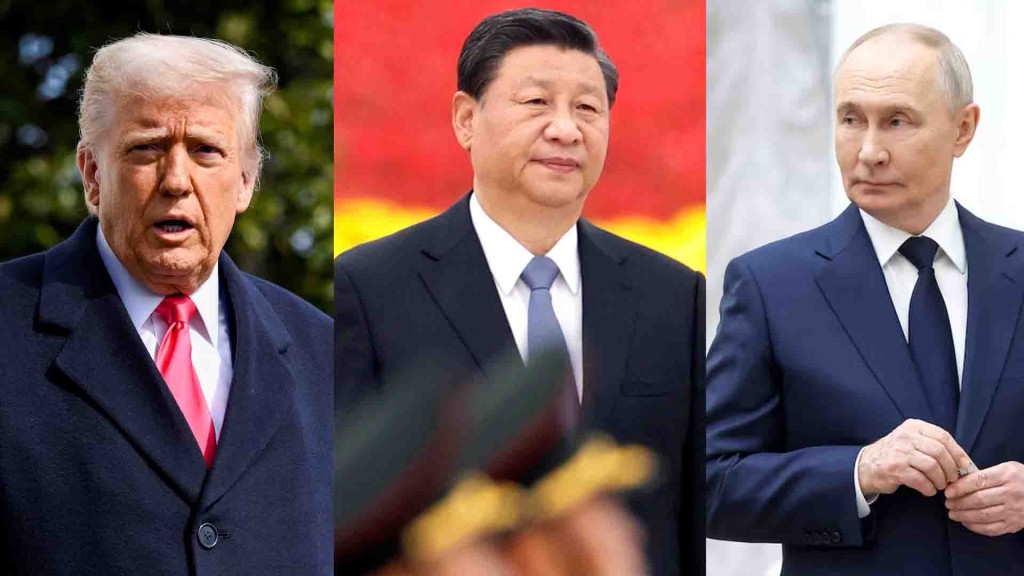
US President Donald Trump openly stated that Venezuela’s oil revenues would be redirected after removing President Nicolas Maduro.
Now, Iran may be next. Washington is reportedly weighing military action, anti-government cyberattacks, and new sanctions to destabilize Tehran, potentially restoring the pro-US Pahlavi monarchy.
China’s energy challenge: low oil reserves, high stakes
China, despite being an economic superpower, holds less than 2 percent of global oil reserves. This makes energy security a major strategic vulnerability. China remains dependent on oil imports to fuel its growth as fossil fuels still dominates energy production.
However, China is also leading the global shift toward renewable energy. It is the largest producer of solar panels, wind turbines, and nuclear power. Yet the transition to clean energy is gradual, and fossil fuels remain dominant for the foreseeable future. To ensure stability, China must not only accelerate its green energy transition but also strengthen ties with resource-rich nations.
Global partnerships: collaboration over conquest
In contrast to the US model of intervention and regime change, China has focused on infrastructure, trade, and development, especially in Africa and Latin America. These partnerships are rooted in mutual benefit, not military dominance. As the US eyes Greenland and Latin America for their natural resources, China should deepen ties with countries like Canada and Russia, which hold the world’s fourth and eighth largest oil reserves, to secure energy and technological cooperation.
Canada, which holds 10 percent of global reserves, offers a stable and resource-rich partner. Russia, which holds 5 percent, another major energy player, already shares strategic ties with China through trade and military coordination. Strengthening such alliances can help China balance US influence and build a more multipolar global order.
The road ahead: speeding up green innovation
China’s long-term strategy must be twofold: accelerate green energy production and expand diplomatic alliances. Domestically, this means investing more in solar, wind, hydro, and nuclear energy. Internationally, it means supporting the development of the Global South through trade, technology, and infrastructure – not coercion.
As the US uses sanctions and military threats to control oil flows and governments, China has an opportunity to lead through innovation and cooperation.
Strategic patience, urgent action
The global resource race is intensifying. As the US targets oil-rich nations like Venezuela and Iran, China must respond strategically – not through confrontation, but through energy independence and global partnerships. By accelerating its green energy leadership and deepening ties with resource-rich allies, China can protect its interests and shape a more balanced, sustainable world order.