Read More
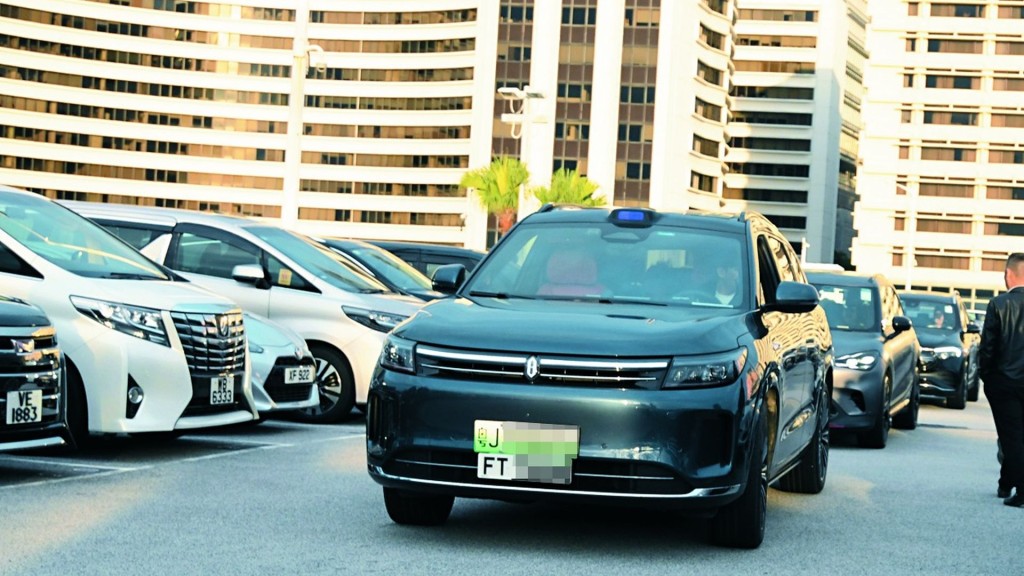
The recently implemented Southbound Travel for Guangdong Vehicles arrangement has sparked public concerns over regulatory fairness and modernization.
ADVERTISEMENT
SCROLL TO CONTINUE WITH CONTENT
Mainland vehicles with darker-tinted windows now cruise Hong Kong streets legally, while some drivers have even activated autonomous driving systems – technology not yet approved for use on SAR roads.
These discrepancies expose an uncomfortable truth: Hong Kong’s automotive regulations are dangerously outdated.
The chorus of concern is growing louder. Industry representatives and political leaders alike are demanding the government modernize regulations that increasingly appear to be a “double standard” over the enforcement.
Frozen in time: Hong Kong’s regulatory gap
Consider the window tint controversy – the decades-old restriction persists in Hong Kong even as the United Kingdom, Europe and mainland China have embraced darker tints for their proven benefits, including blocking harmful UV rays, reducing heat, lessening air conditioning demands and enhancing passenger comfort.
But the debate transcends window tinting. The uncomfortable reality is that mainland vehicles have surged ahead in standards, technology and automotive features while Hong Kong’s regulations remain frozen in time.
Industry observers suggest Hong Kong has fallen 30 to 50 years behind. That assessment should alarm every policymaker and citizen.
With advancements in technology, the validity of some justifications could be questionable. If discrepancies arise between the standards of mainland vehicles and those in Hong Kong, it could foster perceptions of privilege among the public.
The SAR government originally planned to implement the scheme in an orderly manner and expected the self-drive travelers to stay overnight in Hong Kong, shopping, eating, having business meetings, as well as visiting various theme parks.
Swift updates essential to preserve scheme’s broader benefits
To a larger extent, the scheme could allow these visitors to explore Hong Kong’s diverse appeals in culture, sports, exhibitions and so on to divert Guangdong vehicles to different districts and benefit various trades and sectors under the inflow of additional tourists.
But good intentions require sound execution. The government must act swiftly to update our automotive regulations if it is deemed necessary, ensuring that a policy designed to benefit Hong Kong doesn’t instead breed resentment through perceived inequality.
Our regulations must evolve to match our aspirations – creating a scheme that is, as promised, “well received by users, reassuring to the public, and beneficial to the community at large.”