Read More
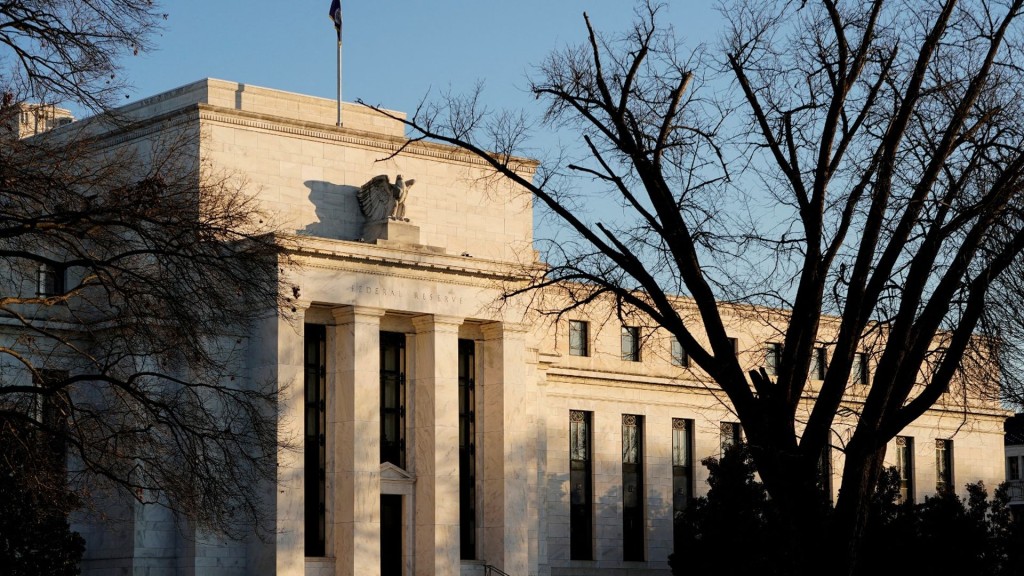
While markets hang on every word from the US Federal Reserve, anticipating a dovish turn, a starkly different story is unfolding across the global economy.
ADVERTISEMENT
SCROLL TO CONTINUE WITH CONTENT
Contrary to the narrative of synchronized easing, major central banks are either holding firm or actively tightening policy.
This week, the Bank of Japan is expected to finally exit negative rates with a 25-basis-point hike.
In Australia, a commodities boom driven by soaring metal prices is fueling inflationary pressure, making further rate increases likely.
This global stance creates a complex backdrop for the Fed, which faces intense political pressure for cuts but may find its room to maneuver severely constrained by external realities.
The US conundrum: weak dollar, strong headwinds
A weaker dollar, often a goal of rate cuts, presents a double-edged sword. On one hand, it could boost US exports and stimulate corporate spending. On the other, it collides with a deteriorating investment climate.
Strategic competition and adversarial trade policies have injected uncertainty, causing foreign investors and sovereign funds to reassess their exposure to US assets.
China’s persistent reduction of its US Treasury holdings is a tangible signal of this shift. Consequently, the Fed must balance stimulating growth against the risk of accelerating capital outflows and undermining the dollar’s stature.
Hong Kong’s pegged precariousness
For Hong Kong, the monetary policy dilemma is direct and unavoidable. The dollar peg transmits Fed decisions – and its potential disappointments – instantly to local borrowing costs.
Investors and property buyers relying on leverage should brace for higher-for-longer financing conditions.
The anticipated strengthening of the yuan adds another layer of complexity, potentially redirecting regional liquidity and investment flows away from dollar-linked assets.
Investment implications: belt tightening required
The conclusion for investors is clear. Expecting a deep and rapid US cutting cycle amidst global monetary divergence is a risky bet. Portfolios overexposed to rate-sensitive sectors or reliant on cheap US dollar funding face a reality check. Prudence demands reducing leverage, diversifying beyond dollar-centric narratives, and focusing on sectors and regions insulated from this policy mismatch.
In an era of economic fragmentation, the old playbook is obsolete. The new imperative is resilience.