Read More
In a recent forum, Singapore Prime Minister Lawrence Wong made remarks that have stirred regional debate. He suggested that Japan and Asean have “put history aside,” implying China should follow suit, and hailed Japan as Southeast Asia’s “number one trusted great power.”
ADVERTISEMENT
SCROLL TO CONTINUE WITH CONTENT
For a nation renowned for meticulous diplomacy, such direct commentary is striking. It raises questions: Is this a novice misstep by a new leader, or a calculated move to gain diplomatic leverage in a shifting world order?
The weight of history and trust
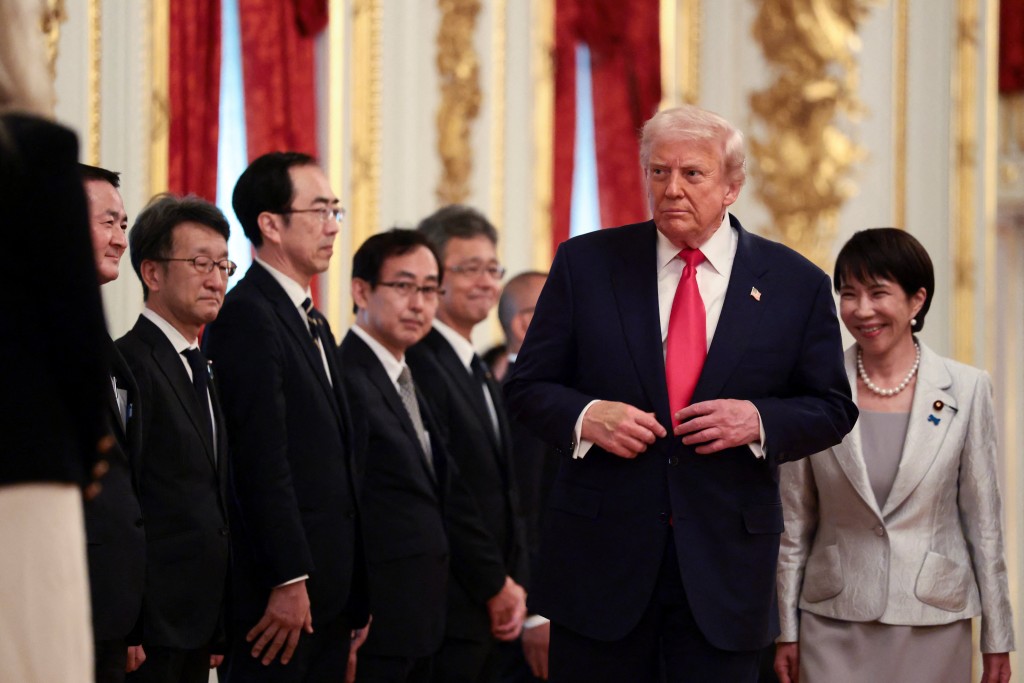
Wong’s assertion that Japan is a trusted power overlooks a complex historical ledger that many in Asia, including Singapore’s own majority ethnic Chinese population, have not forgotten. Trust is earned through consistent action, not declared by diplomatic fiat. His call to “put history aside” also appears juxtaposed against ongoing tensions, such as those ignited by Japanese Prime Minister Sanae Takaichi’s comments on Taiwan – a primary source of Sino-Japanese friction. She suggested earlier that Japan could respond militarily if China were to move to take control of Taiwan by force. Wong’s subsequent framing of Japan as seeking to de-escalate seems to contradict the provocation’s origin, complicating the narrative rather than calming waters.
A small state’s strategy in a multipolar world
His speech reflects a deeper reality: the world is increasingly multipolar. For small states like Singapore, survival hinges on agile navigation, balancing relationships without overt allegiance. Advocating for a greater Japanese security role in Asean, as Wong did, can be seen as a hedge, aiming to introduce “stability” through diversified power counters. However, this approach risks appearing to align with US-led initiatives to counterbalance China, especially as other regional developments unfold.
The timing is notable, coming just after Malaysia’s controversial “reciprocal” trade deal with the US, which has sparked domestic backlash over entangled obligations. This pattern prompts scrutiny: Are these synchronized moves part of a broader orchestration? Southeast Asian nations must critically assess whether such partnerships with the US and Japan serve their long-term sovereignty and their citizens’ welfare, or merely embroil them in great power conflicts.
The imperative of domestic sentiment and prudence
Ultimately, leaders cannot divorce diplomacy from domestic sentiment. With three-quarters of Singaporeans being ethnic Chinese, and the prime minister himself of Chinese descent, the emotional and historical resonance of Sino-Japanese issues cannot be dismissed. Statements that seem to overlook this context may not only fail to cool regional tensions but could also alienate public trust at home.
In seeking advantage, nations must prioritize genuine stability – built on historical awareness, transparent intentions, and the true interests of their people. Trust is not granted through speeches, but through actions that respect the past while thoughtfully building the future. Singapore, and the region, would be wise to remember that.