Read More
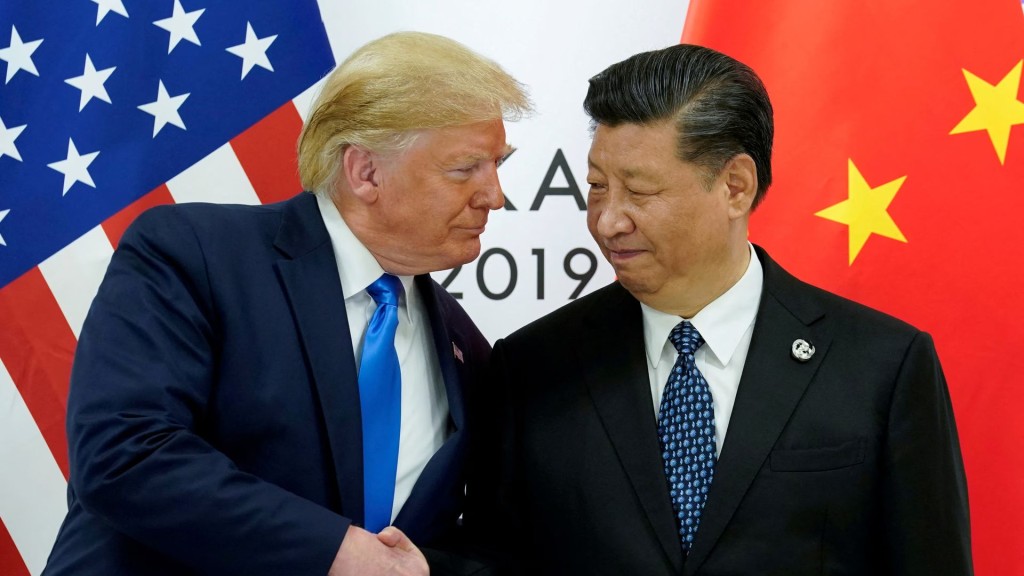
In a long-anticipated development, Chinese President Xi Jinping and US President Donald Trump have met for the first time in six years, signaling a potential thaw in the frosty US-China relationship.
ADVERTISEMENT
SCROLL TO CONTINUE WITH CONTENT
The high-stakes meeting comes at a time when both nations are embroiled in serious trade disputes, with tensions flaring on multiple fronts – from semiconductors to sovereignty issues in Taiwan.
The last time the two leaders met was during a markedly different global climate. Since then, the world has seen a pandemic, a restructuring of global supply chains, and heightened geopolitical rivalry. Now, as Trump campaigns for his third term to the White House, the meeting with Xi comes with both symbolic weight and strategic undertones.
Trade war still looms: rare earths, chips, soybeans on the agenda
Before sitting down with Xi, Trump reportedly brought a detailed list of trade-related concerns to the table. The list includes rare earth minerals, semiconductors, soybeans, and the controversial pharmaceutical product dubbed fentanyl.
These items represent key leverage points in the US-China trade war, which has seen rounds of tariffs, export controls, and retaliatory measures over the past several years.
While many of these issues have been discussed by officials, analysts believe that the face-to-face engagement between the two leaders could serve as a symbolic reset – albeit a temporary one.
Among the most notable developments is the apparent progress on a TikTok deal, which could allow the popular app to continue operating in the United States under new data and ownership terms.
Although this may offer markets temporary relief, investors remain cautious, aware of the unpredictability associated with both leaders – especially Trump, who is known for striking quick deals but also walking away from them just as fast.
Taiwan and cross-strait relations take center stage
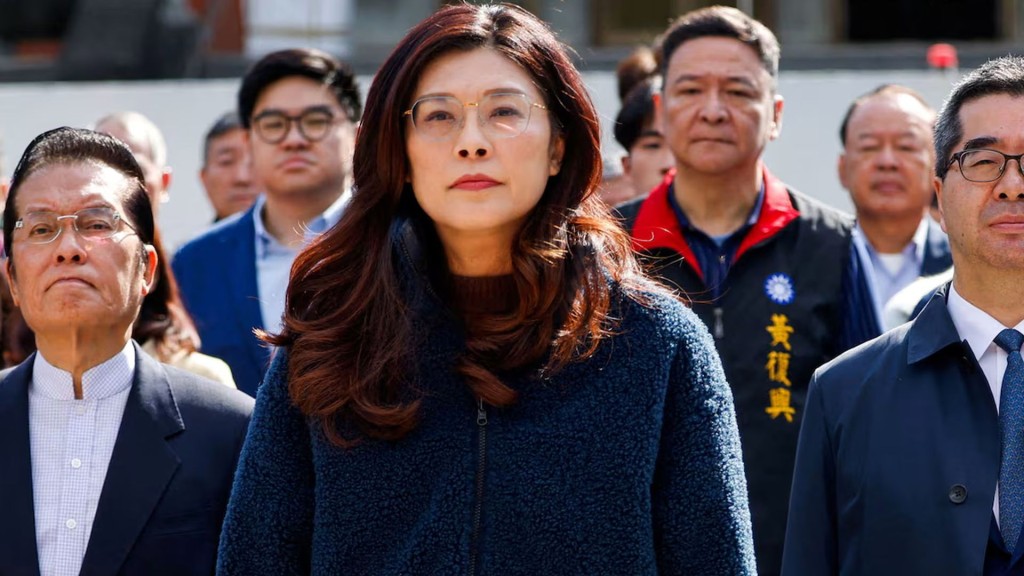
Beyond trade, one of the thorniest issues is Taiwan. Observers note that the meeting took place shortly after the Kuomintang elected a new leader Cheng Li-wun, who wants peace with China. This development could shift the dynamics of cross-strait dialogue, but the US remains committed to its arms sales agreements with Taipei.
China has long opposed US arms sales to Taiwan, viewing them as a violation of its sovereignty. Whether Xi will push for a halt in arms supplies – and whether Trump would consider such a move – remains to be seen. However, few expect any major breakthroughs in this area during a single meeting.
Tensions in the Taiwan Strait continue to influence broader Indo-Pacific stability, and both leaders are aware that any miscalculation could have far-reaching consequences.
Don’t expect too much: a cautious outlook for US-China relations
While the Xi-Trump meeting may ease tensions in the short term, market analysts and foreign policy experts urge caution. The meeting is unlikely to resolve deeply entrenched issues overnight. Both leaders have strong nationalist bases, and any concessions may be viewed domestically as political weakness.
This meeting is more about optics than outcomes. It is a photo opportunity with limited policy change.
For investors and observers of US-China geopolitics, the key takeaway is clear: don’t expect too much. The meeting may offer a temporary sense of stability, but the structural rifts between the two superpowers remain firmly in place. Future interactions will likely be shaped less by personal diplomacy, and more by hard national interests.