Read More
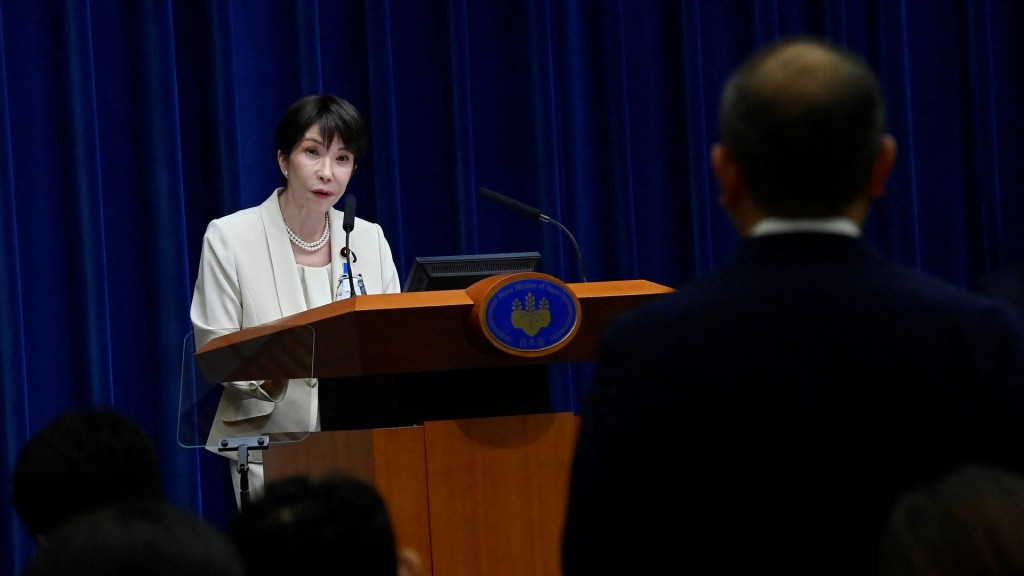
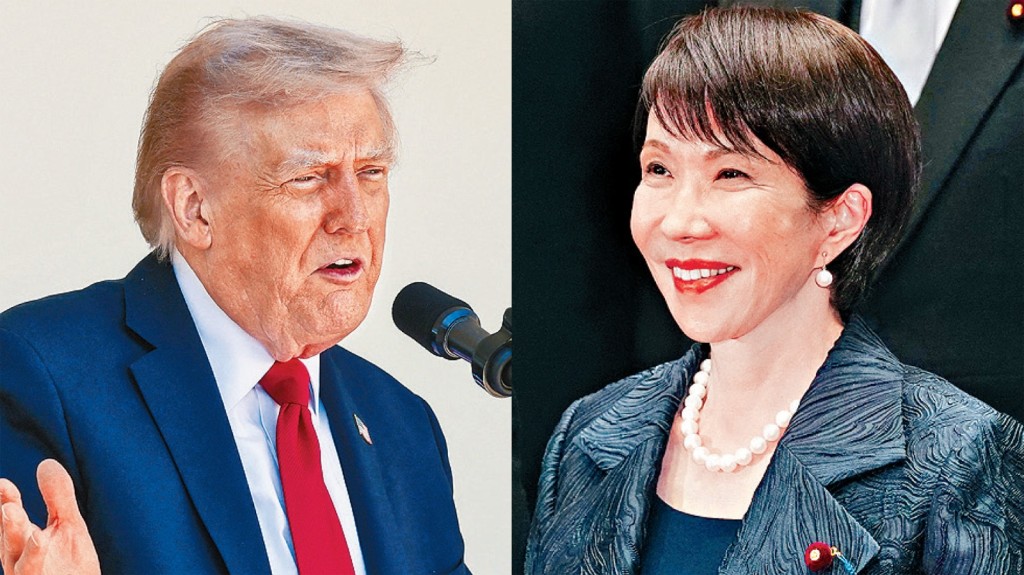
In the high-stakes theater of global geopolitics, Japan’s new prime minister, Sanae Takaichi, has made her opening move with unmistakable clarity. Dubbed the “Japanese Iron Lady” and a self-styled successor to the late Shinzo Abe, Takaichi is charging headlong into a fortified alliance with the United States.
ADVERTISEMENT
SCROLL TO CONTINUE WITH CONTENT
Her meeting with President Donald Trump in Tokyo, occurring in less than a week after her appointment, is a powerful signal of her intent. The courtship is already tangible: promises of soybean purchases and increased military spending are classic tools of Trump-era diplomacy.
However, beneath the fanfare of this rapidly solidifying partnership, a more complex and less potent reality is taking shape.
The undeniable warmth between Tokyo and Washington is being strategically counterbalanced by a simultaneous thaw in relations between China and South Korea. In the evolving calculus of Asian power, the influence of any bilateral alliance may be inherently limited by the shifting tides across the region.
The Abe playbook and the allure of the ‘Iron Lady’
Prime Minister Takaichi is not operating in a vacuum. By aligning herself with the legacy of Shinzo Abe, she invokes a period of assertive Japanese foreign policy rooted in a close, personal bond with US leadership.
The “Trump playbook” is one she seems eager to adopt – a transactional style of diplomacy where security assurances are traded for economic concessions. Her offers to purchase American soybeans and boost defense expenditures are straight from this script, designed to appeal directly to Trump’s political base and his “America First” doctrine.
This approach, however, is a double-edged sword. As seen in the volatile US-India relationship, a deal-made style can lead to unpredictable and shallow partnerships, lacking the strategic depth of shared democratic values. This inherent volatility raises the first set of doubts about the long-term resilience of this new chapter in the US-Japan alliance.
The diminished capacity: a different Japan
A critical, and often overlooked, factor is Japan’s altered economic standing. While still a global powerhouse, Japan’s strength is no comparison to its peak four decades ago. Its economy faces persistent deflationary pressures, a massive public debt, and a shrinking domestic population. This means Japan’s capacity to single-handedly anchor US strategy in Asia, either as a boundless market or an infinitely scalable military partner, is fundamentally constrained. The nation’s influence must now be projected through smarter diplomacy and multilateral networks, rather than sheer economic weight. This reality tempers the potential impact of any bilateral pact, no matter how warmly declared.
The counterbalance: the strategic rapprochement of China and South Korea
Just as the US and Japan draw closer, a parallel diplomatic shift is underway that complicates their strategic calculus: the notable improvement of relations between China and South Korea. Historically strained, this thaw represents a critical counterweight. Both nations are technological powerhouses; their collaboration in sectors like semiconductors, batteries, and artificial intelligence could redraw global supply chains and reduce their collective reliance on Western-led blocs. This Sino-Korean rapprochement creates a multipolar dynamic in East Asia that a strengthened US-Japan alliance alone cannot easily dominate. It forces Tokyo and Washington to consider that pressuring one nation might inadvertently push it closer to another, creating a new, resilient axis of technological and economic power.
A regional tangle, not a simple partnership
Recent events underscore this complex landscape. Australia’s deal with the US on rare earth minerals – critical for technology and defense – and the “stern protest” from China over a midair incident, reveal a region simmering with competition. In this context, the Takaichi-Trump alliance is best understood not as an omnipotent force, but as one significant move in a much larger game.
Power in Doubt
The question of how powerful the renewed US-Japan alliance will be remains shrouded in doubt. Prime Minister Takaichi’s bold bet on a Trump-aligned America is a high-stakes gamble. While it solidifies a key democratic partnership, its ultimate influence is hemmed in by Japan’s own economic realities, the transactional nature of the proposed friendship, and, most importantly, the strategic maneuvering of other regional giants. In today’s Asia, no alliance operates in a vacuum. The growing closeness of China and South Korea ensures that the power of any pact will be tested, balanced, and ultimately, shared.