Read More







As Hong Kong’s tourism sector continues its post-pandemic recovery, the city faces a critical challenge: how to stand out in a competitive regional landscape. During the Golden Week, Hong Kong welcomed 1.16 million visitors – a positive sign, yet still short of the 1.38 million recorded in 2018. With mainland China boasting its own world-class tourism facilities and competitive pricing, Hong Kong cannot compete on cost alone.
The path forward lies not in imitation, but in amplification – promoting the unique local elements that define Hong Kong’s singular identity. By championing its distinctive culture, cuisine and financial history, Hong Kong can craft compelling narratives that captivate visitors, turning unique stories into sustainable profit.
The recent initiative by the Food and Environmental Hygiene Department to promote the dai pai dong on Stanley Street is a welcome move. As a regulator stepping into the role of promoter, the FEHD has set a powerful example. This should be a catalyst for a broader, coordinated government effort to showcase Hong Kong’s authentic culinary scene. The ways locals eat are a vibrant part of the city’s fabric.
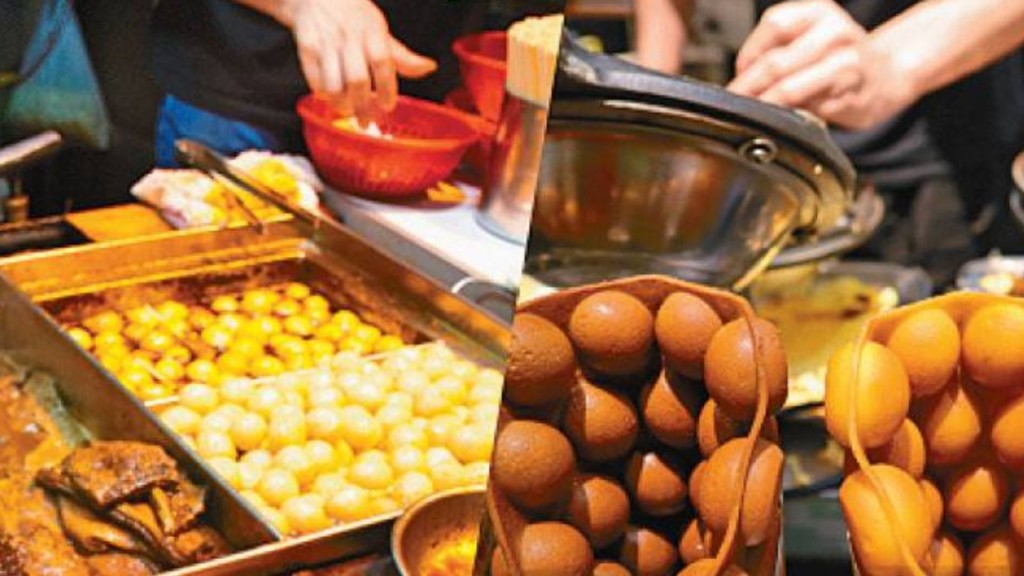
Experiences like yum cha, or the tradition of drinking tea with dim sum, and iconic street foods such as fishballs with curry sauce, stinky tofu and egg waffles, are not just meals; they are cultural immersion. While some mainland visitors especially from southern regions may be familiar with these dishes, they represent a novel discovery for overseas tourists. Promoting these authentic, everyday eating habits offers a delicious and accessible entry point into Hong Kong’s way of life, creating memorable experiences that go beyond typical tourist attractions.
Hong Kong’s cultural exports have long held significant soft power. Its movies, TV dramas and Cantopop have cultivated generations of fans across Southeast Asia and global diaspora communities. The global influence is undeniable; the classic film Infernal Affairs was remade by Martin Scorsese into the Oscar-winning The Departed.
This legacy provides a rich foundation to build upon. The suggestion from Secretary for Culture, Sports and Tourism Rosanna Law Shuk-pui to combine martial arts with Cantopop is inspiring. Kung Fu is a globally recognized symbol of Hong Kong culture. By creating modern, innovative performances or exhibitions that fuse these elements, the city can offer a dynamic cultural product that honors its legacy while appealing to contemporary audiences. This strategy leverages existing brand recognition to create unique, must-see entertainment.
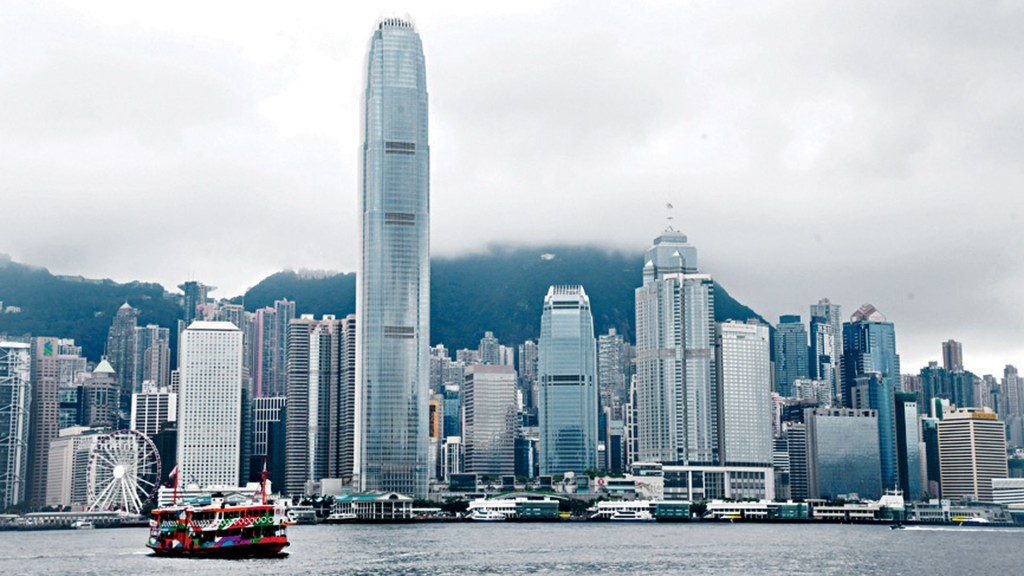
A key, yet underutilized, asset in Hong Kong’s tourism portfolio is its remarkable story as an international financial center. Many visitors are amazed by the city’s skyscraper-studded skyline and wonder how it became a global financial hub. Legislator Robert Lee Wai-wang’s suggestion for a dedicated gold museum is a step in the right direction.
While the Hong Kong Exchanges and Clearing does have an exhibition, it is rarely promoted as a visitor spot. Also, there is a compelling narrative to be told about the city’s monetary history, the unique linked exchange rate system, and its rise in fintech. The Hong Kong Monetary Authority, acting as the de facto central bank, could take a cue from institutions like the Bank of England, which boasts a dedicated museum. Even cities not known as financial hubs, such as Seoul and Tianjin, successfully operate finance museums.
The recovery of Hong Kong’s tourism industry depends on its ability to excel through its unique advantages. By strategically promoting its distinctive cuisine, iconic entertainment, and fascinating financial history, the city can craft a powerful and differentiated brand.
It is time for all government departments and stakeholders to take a proactive approach and collectively champion what makes Hong Kong truly exceptional.