Read More



Indestructible: why Infantino will survive the firestorm
10-07-2026 04:47 HKT




65 arrested as police bust illegal nightclub and gambling dens
12-07-2026 19:00 HKT


In the heart of Hong Kong, a city of dazzling skylines and profound contrasts, a powerful melody is rising. It tells a story not of privilege, but of perseverance; not of a silver spoon, but of a resilient spirit. This is the story of a 16-year-old boy, surnamed Lee, who traded the confines of a subdivided flat for the world’s stage, his violin becoming a powerful symbol of what is possible when a community invests in its youth. His journey strikes a chord that resonates far beyond music – it is a testament to the effectiveness of collaborative governance and the enduring promise of social mobility.
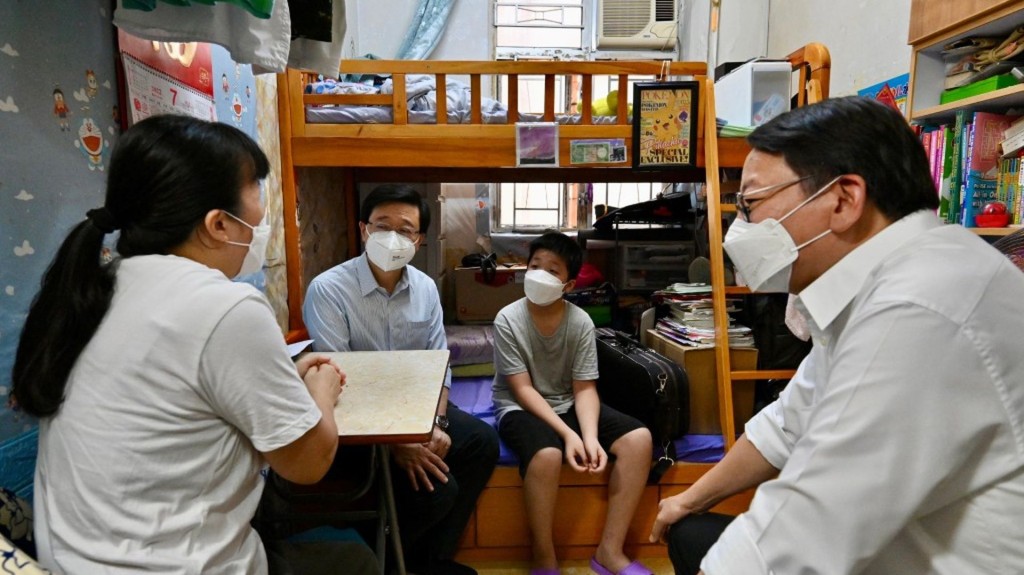
The first notes of this success story were composed not in a concert hall, but through a pivotal meeting three years ago. A visit by Chief Executive John Lee Ka-chiu to the young boy’s home set the stage for his transformation. Becoming a member of the inaugural Strive and Rise Programme – a government-led mentoring initiative – was the turning point. This program provided the framework, but it was the cross-sector collaboration that provided the instruments. His participation in the Jockey Club Power of Music Programme initiated by renowned violinist Yao Jue and his ascension to the Asian Youth String Orchestra provided the platform. Soon, his talent carried him to performances at the CPPCC National Committee’s New Year celebration, on exchange tours in Australia, and, most symbolically, on the stage of the Hong Kong Coliseum for the National Day variety show. Each performance was a standing ovation to a system that worked.
Critically, the Strive and Rise Programme understands that opportunity requires more than just funding; it requires guidance. By pairing each participant with a dedicated volunteer mentor for “one-on-one” companionship, the program addresses a crucial gap. It provides not just a path, but a trusted guide to help navigate it, imparting life experience and helping to chart a future that once seemed unimaginable. This model of empowerment is a blueprint for effective social development.
This young man’s story feels both revolutionary and familiar. It harks back to the classic “Lion Rock Spirit,” the ethos of grit and collective struggle that built modern Hong Kong. For decades, this narrative of rising through hard work was commonplace. Yet, as society prospered, this spirit risked being forgotten, overshadowed by a culture that often seems to prize “winning at the starting line.” The reality, however, is that this narrative remains a distant dream for many. With over one million people living below the poverty line, the city faces a stark divide. Programs like Strive and Rise are not mere charitable acts; they are essential investments in social cohesion, creating a more level playing field and directly combating the entrenched cycle of intergenerational poverty.
The violinist is likely just one visible example of the latent talent lying dormant in subdivided flats and underserved communities across the city. Poverty does not discriminate – it affects local families, new immigrants, and ethnic minorities alike. His story, therefore, offers a gleam of hope to all who hear it.
Our youth are not just the future; they are the most connected, technologically adept, and globally conscious generation this city has ever known. To assume their potential is limited by their starting point is a failure of imagination. By trusting them, investing in them, and providing the mentorship they need, we do not just change individual lives – we compose a richer, more harmonious future for all of Hong Kong. Let’s ensure that the melody of opportunity continues to play, for every child who dares to dream.
John Lee first met the violinist three years ago in his subdivided unit.