Read More
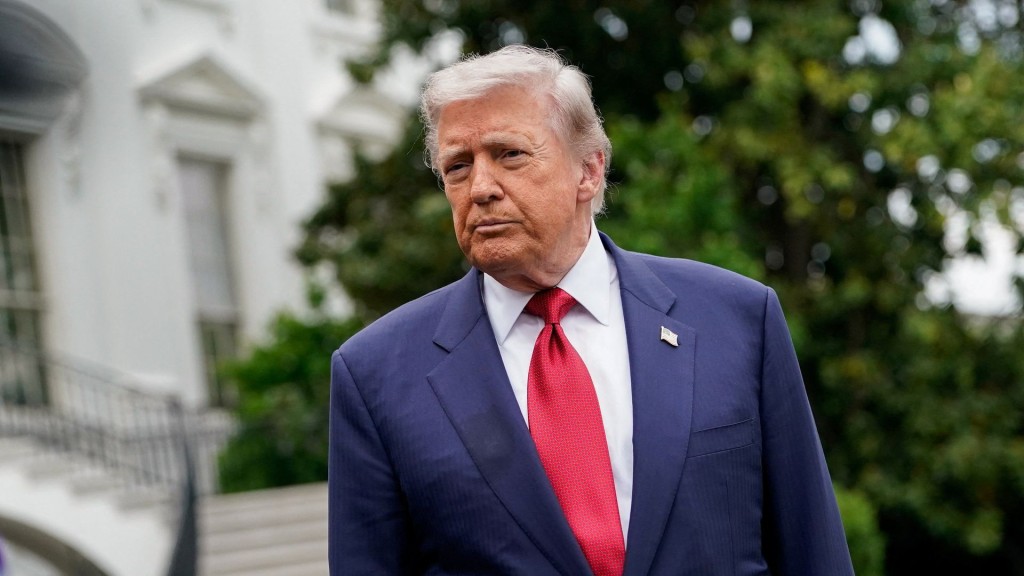
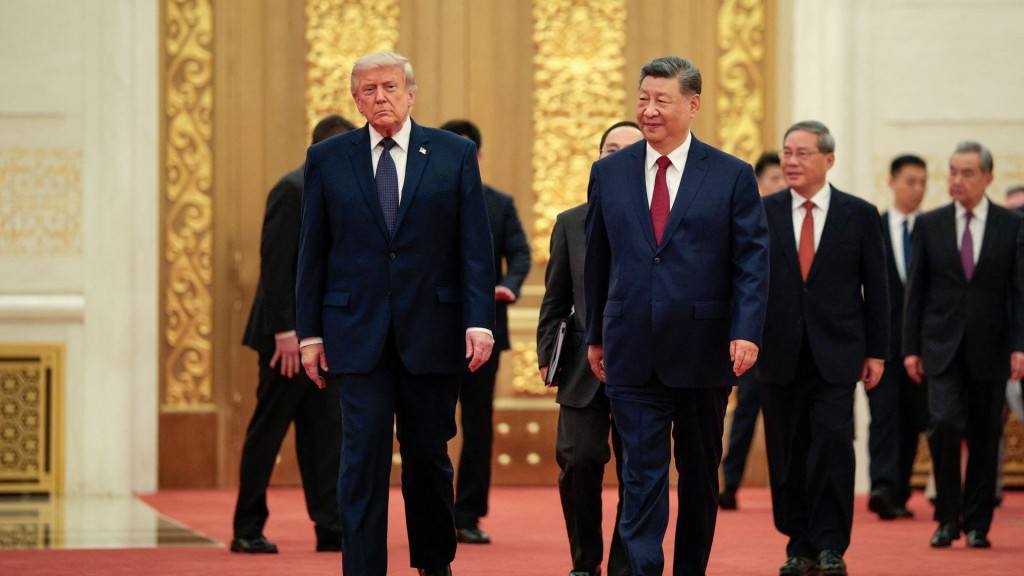
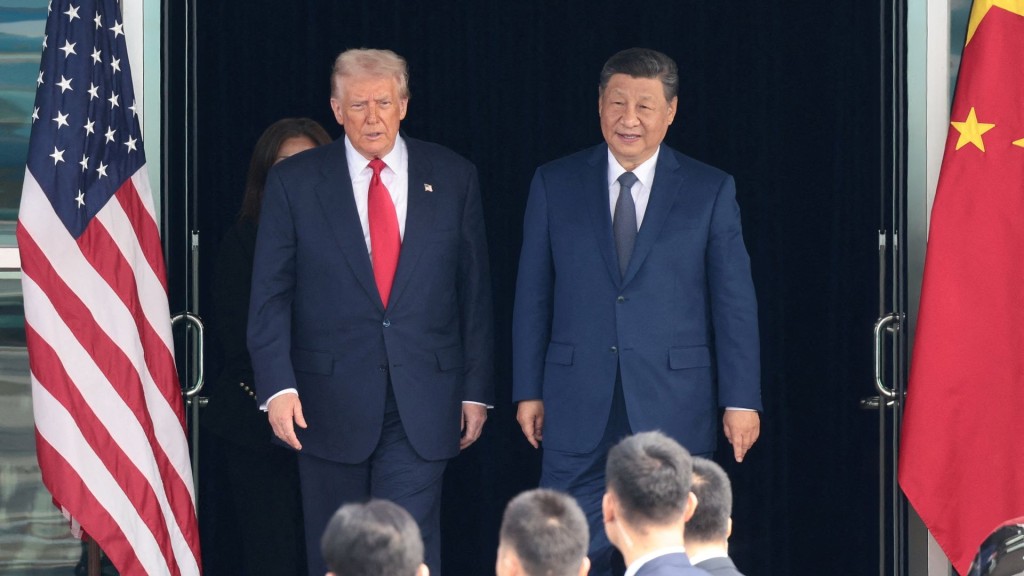
In a striking political reversal, US President Donald Trump recently proposed welcoming 600,000 Chinese students to American universities, a move that startled his conservative base and highlighted growing concerns about America’s declining appeal to international scholars.
ADVERTISEMENT
SCROLL TO CONTINUE WITH CONTENT
This policy shift comes amid a steady exodus of Chinese talent from US institutions, raising critical questions about the future of global education leadership and economic impact.
The numbers reveal a telling trend: after peaking at over 372,000 during the 2019-2020 academic year, Chinese student enrollment in US universities has declined significantly, dropping to approximately 277,000 in 2023.
This decline represents both a substantial economic loss and a strategic shift in global education dynamics that deserves closer examination.
The economic impact of global students
International education has long been a vital economic pillar for the United States, with Chinese students historically contributing significantly to university budgets and local economies. The recent decline represents a substantial financial blow to many institutions that have come to rely on international student tuition. This economic reality likely influenced Trump’s unexpected proposal, though it may be too little, too late to reverse the established trend.
Geopolitical tensions and educational access
The cooling US-China relationship has directly impacted educational exchange. Secretary of State Marco Rubio’s May announcement regarding visa revocations for students with ties to the Chinese Communist Party exemplifies the heightened scrutiny that has made many Chinese students feel unwelcome.
The bipartisan consensus restricting Chinese access to sensitive fields like artificial intelligence, quantum computing, and aerospace technology has further limited educational opportunities.
The rising alternative: Hong Kong
As the US implements increasingly restrictive policies, Hong Kong has emerged as a compelling alternative for Chinese students and scholars. The city’s academic infrastructure has expanded significantly, now boasting 15 state key laboratories and world-class research facilities. Hong Kong’s unique position as both Chinese territory and international hub offers students the best of both worlds: access to cutting-edge research opportunities within a globally connected environment.
The city’s universities have actively recruited top talent from mainland China and abroad, creating a vibrant academic community that continues to grow. Hong Kong’s strategic investments in technology and research position it as an increasingly attractive destination for students who might previously have chosen American institutions.
For students, parents, and educational consultants researching overseas options, these trends represent significant considerations. The keyword “study abroad” now encompasses a wider range of destinations beyond traditional Western options. Search queries for “Hong Kong universities,” “study in China,” and “Asian education hubs” have grown substantially as families seek alternatives to increasingly complex US visa processes and political uncertainties.
The future of global education
The decline in Chinese students choosing American universities reflects broader shifts in global education patterns.
As Asian institutions continue to develop their research capabilities and international rankings, they present increasingly competitive alternatives to traditional Western destinations.
Trump’s proposal to welcome more Chinese students, while economically motivated, fails to address the fundamental issues of visa security concerns and political climate that have driven the decline. Without comprehensive policy changes and a more welcoming environment, the US risks continuing to lose ground to emerging educational hubs.
Hong Kong, with its unique advantages, stands poised to benefit from these shifting patterns. The city’s ability to attract top talent from China and abroad suggests a bright future as a leading global education destination.