It's cause for grave concern as the number of coronavirus cases continues to pile up at a double-digit rate. And it will only get worse unless everyone takes seriously medical advice to either stay at home or maintain social distancing.
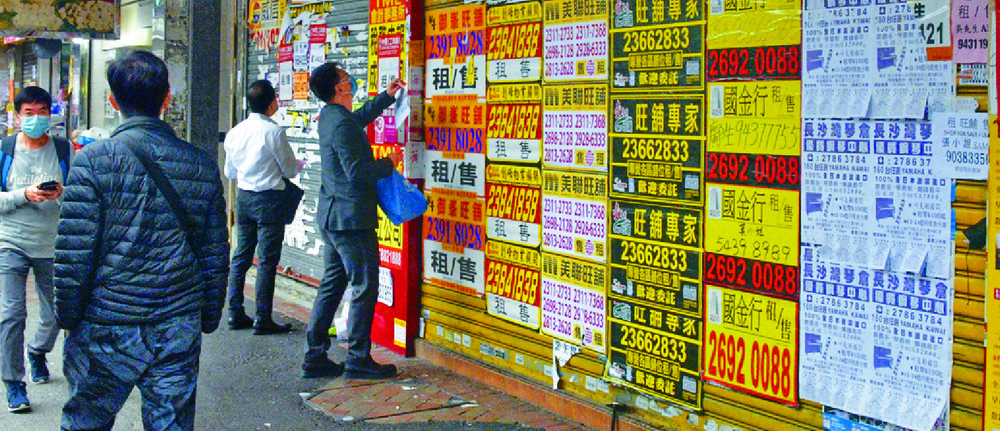
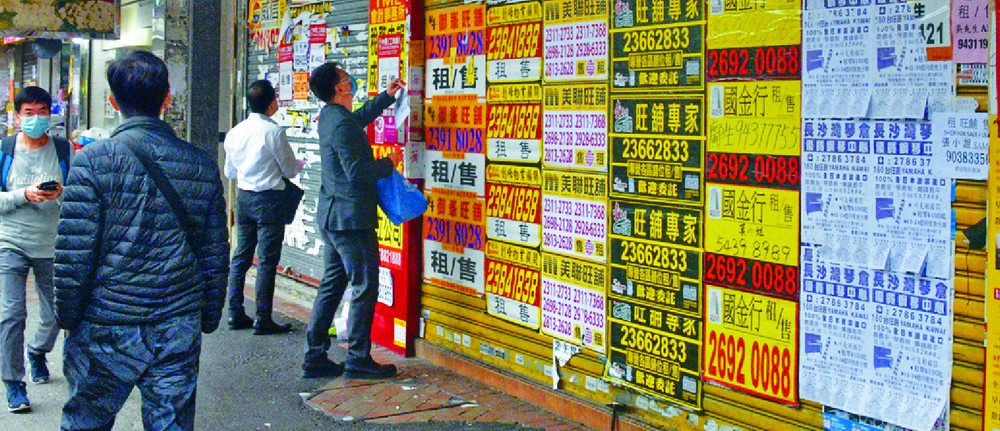
Another concern is the rush by nearly everyone to ask the government to rescue them. From restaurants and travel agencies to tutorial school and kindergarten operators, any business you care to name is in some kind of dismal state.
The media industry is one of the rare, self-esteemed, exceptions: though suffering hugely, nobody in this sector has asked for government help. Media workers are not immune from the financial hurricane - far from it, in fact, as the coronavirus continues to devastate print media around the world.
Thousands of journalists have already lost their jobs, with Rupert Murdoch's News International closing 60 local newspapers in Australia in one fell swoop just a couple of days ago. They are unlikely to ever see the light of day again.
Hong Kong is meant to run its economy the capitalist way. Instead, it is now behaving like a capitalist-socialist hybrid rather than a capitalist society. Like governments in the United States and Europe, the administration is increasingly resorting to painkillers to ease immediate headaches.
Ironically, Beijing - despite being socialist - has not doled out great doses of direct subsidies to its people or small civilian companies as is happening in the United States and Europe.
The Hong Kong government is in a difficult position. Having already committed tens of billions of dollars to reduce the hardships facing the population, it would have to foot a bill of mountainous proportions if it were to accept all rescue demands from all walks of life and all types of trade.
It's fortunate that the SAR managed to save a huge war chest for today's rainy - make that Typhoon-10 - days. But I suspect even those reserves would quickly run dry if they were continued to be given out at the current pace.
Unlike the Fed, the Hong Kong Monetary Authority does not print banknotes by way of endless borrowings.
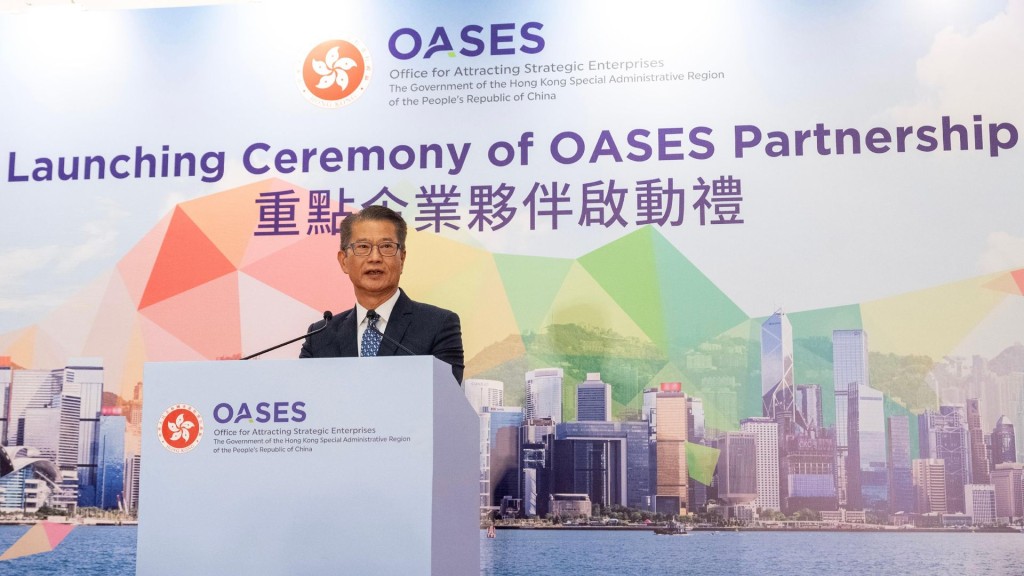
Financial Secretary Paul Chan Mo-po is facing a far bigger test than any of his predecessors. The switch to socialist-style bailouts is the polar opposite of the capitalist world, which would allow the weaker to vanish through a process resembling natural selection. We can't blame the poor and small businesses for asking for assistance. Indeed, they should ask.
The problem is, extreme capitalism over the years has created huge wealth disparities not only in Hong Kong but across the globe to such an extent that those at the bottom are suffering the most in the pandemic.
These people at the bottom rely on leftovers for survival.
The long quantitative easing period following the 2008-2009 financial tsunami may have bailed out bankers on the assumption that their sector was too big to fail.
Yet QE money also worsened the wealth gap, inflating property bubbles in Hong Kong and all major cities and making life much harder for masses of workers.
Young adults were instantly forced out of the property market, paying the price of the rescue exercise.
It's a grave concern that, as US President Donald Trump leads the way to pump trillions of dollars into the market to prevent the economy from sudden collapse, policymakers around the world are resorting to similar socialist means of economic cure to maintain bubbles.
The outcome could be very scary. Even if the paracetamol eases the pain a little for now, it will not cure the underlying cause. By pumping excessive liquidity into the global economy, Trump and his peers are just kicking the can even further down the road for the younger generation to pick it up later.