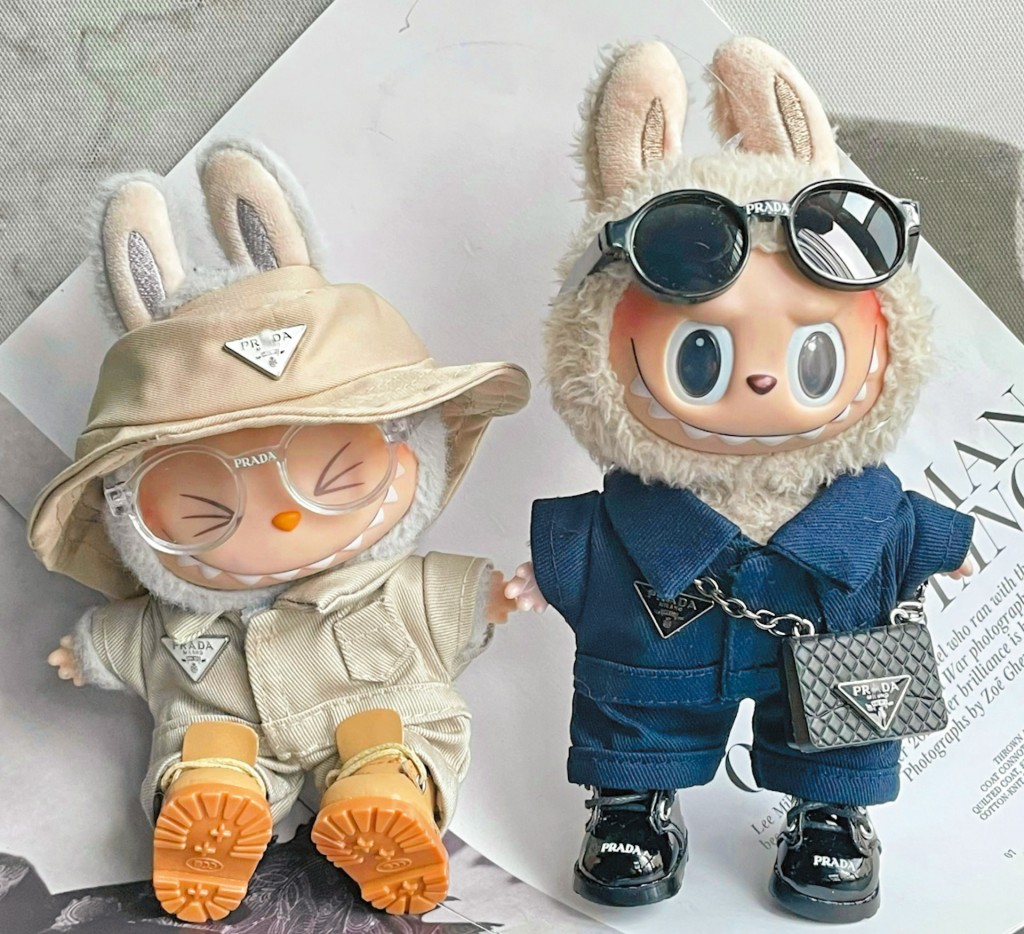
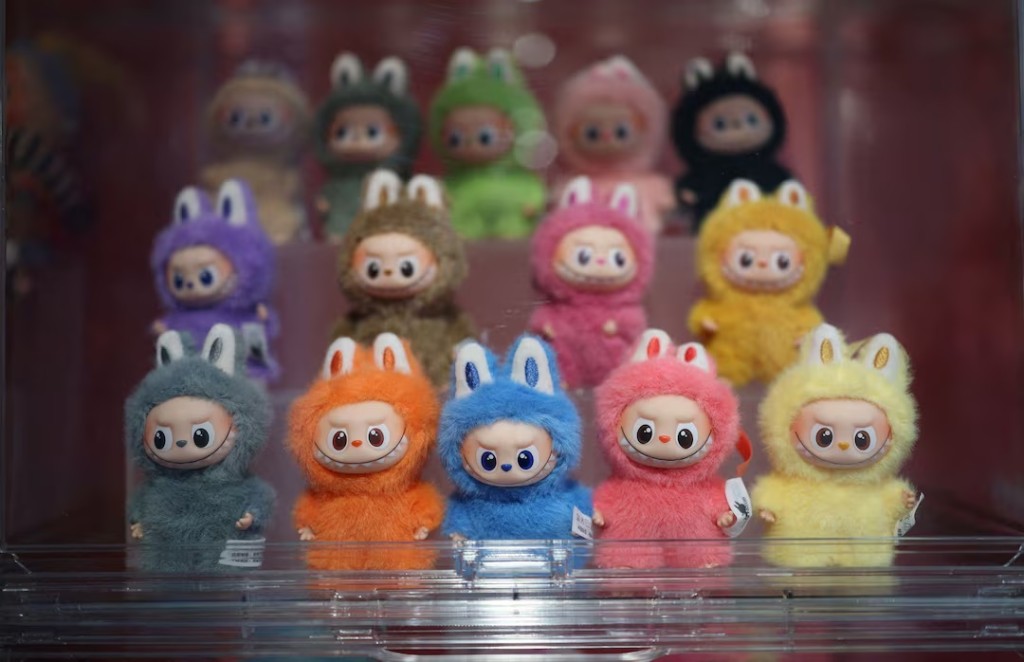
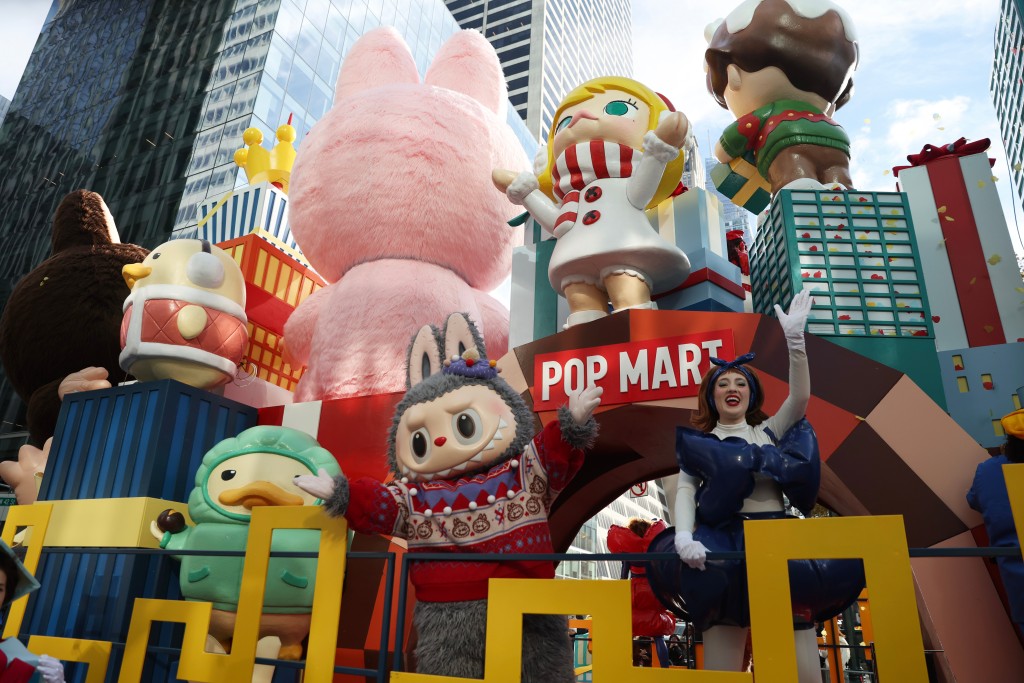
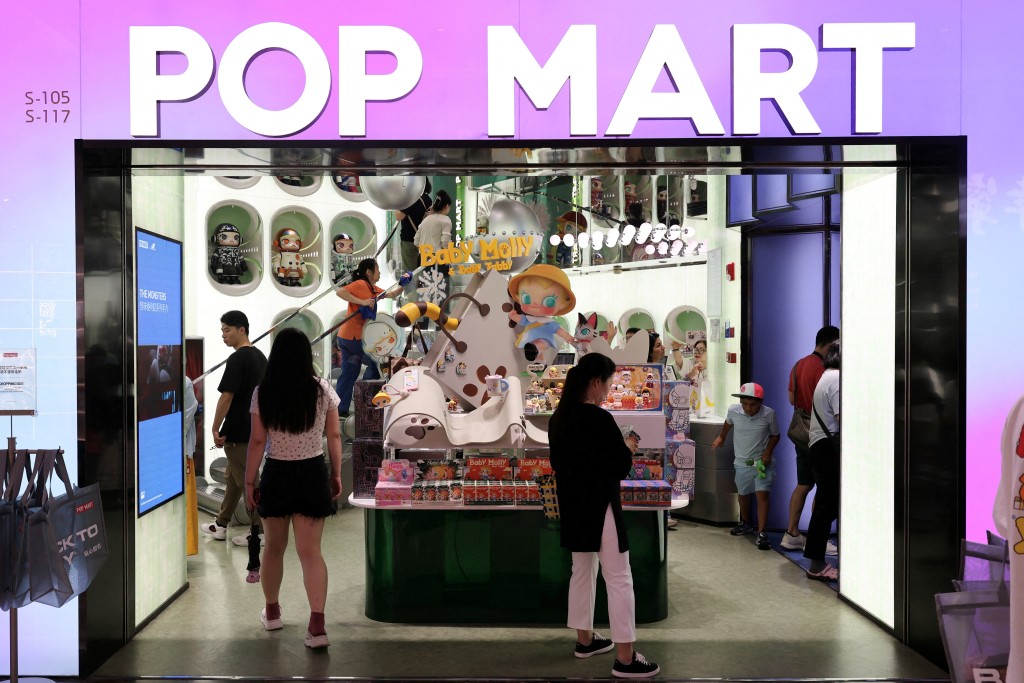
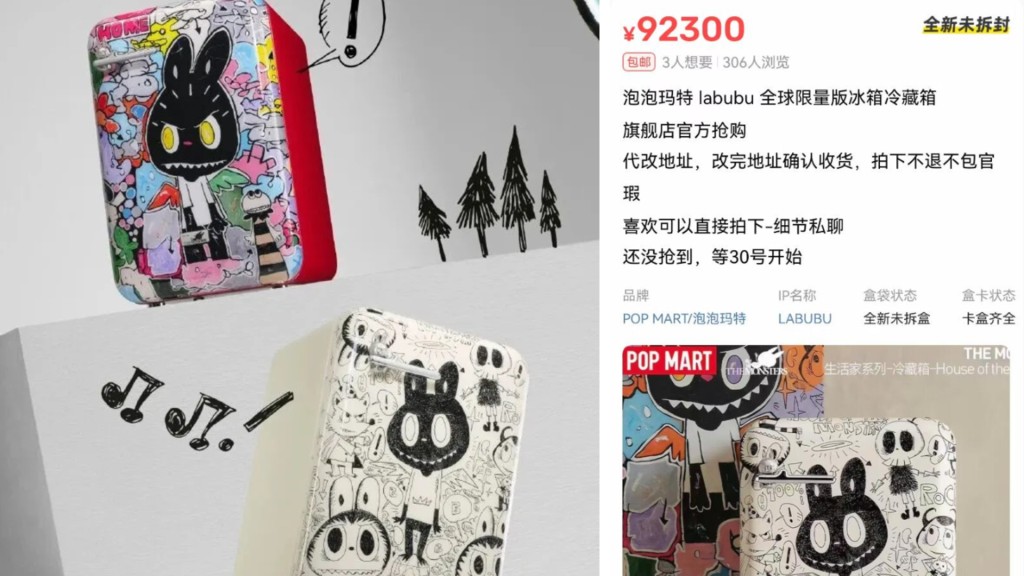
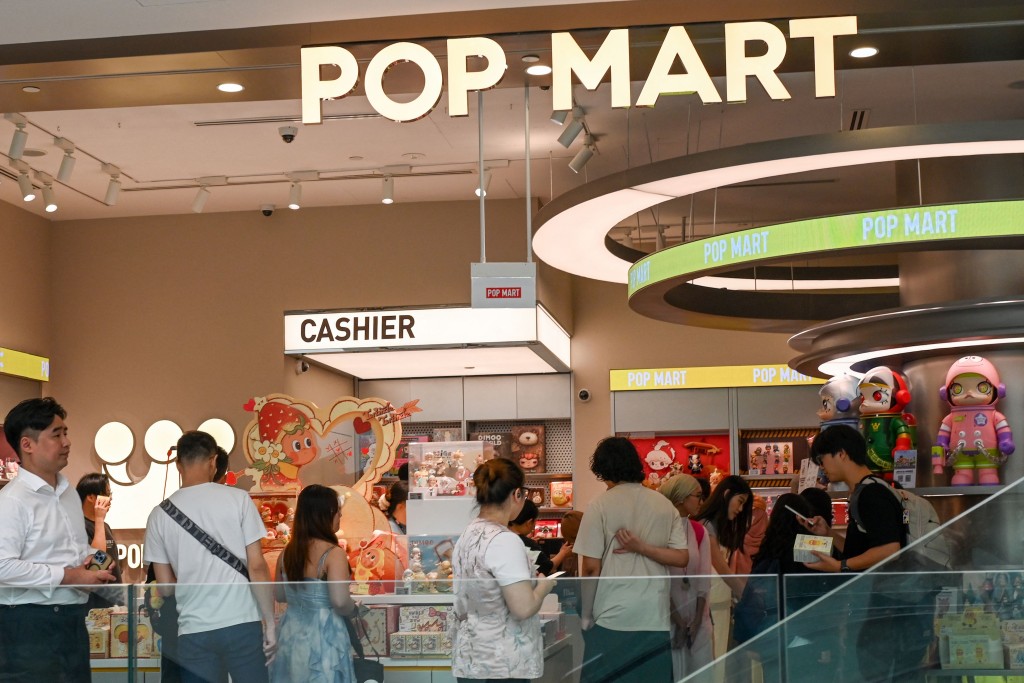
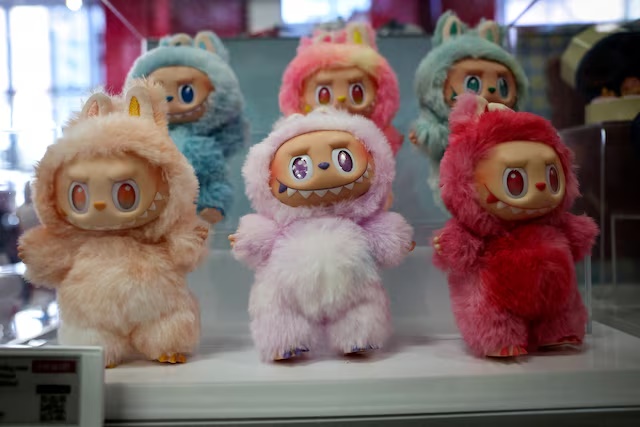
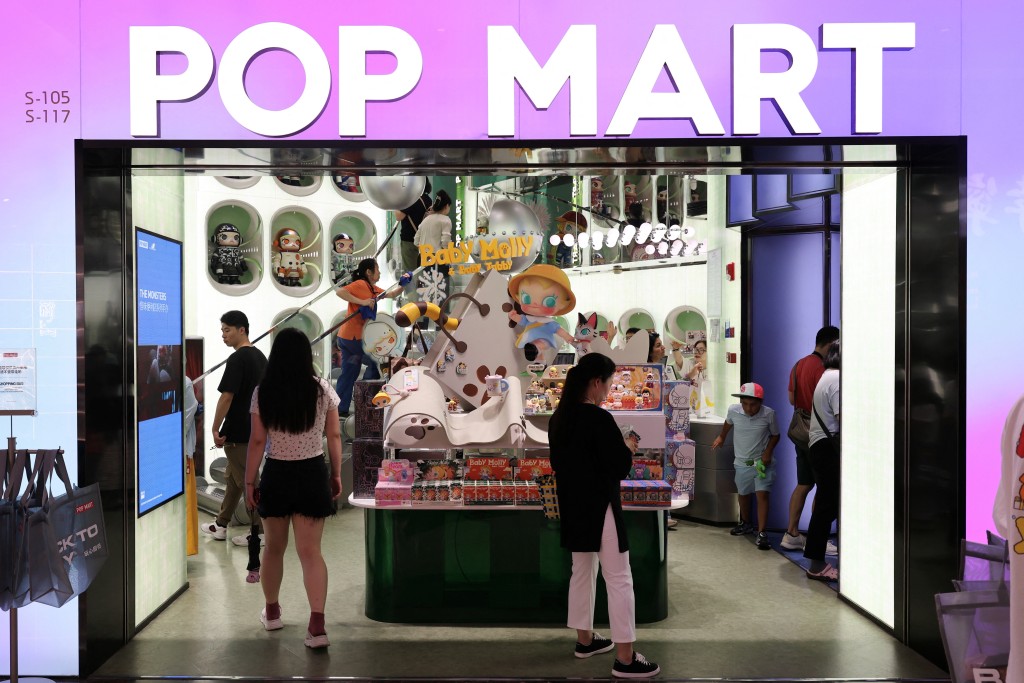
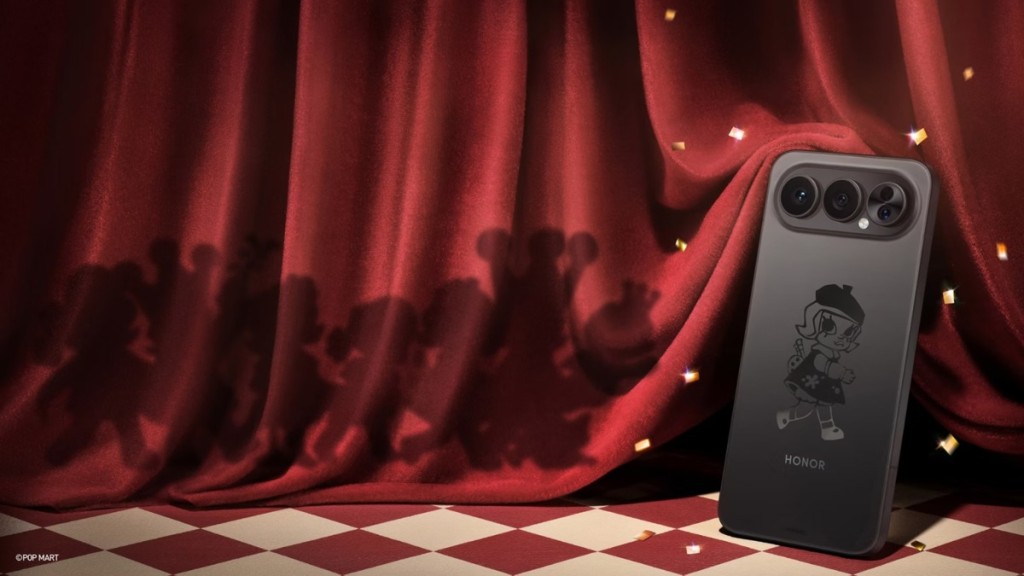
With the boom of trendy toy companies like Pop Mart – the creator of the now almost ubiquitous Labubu doll – a "doll-raising" trend has emerged in China, according to East Week magazine, a sister publication of The Standard.
A growing number of Chinese youth are seen customizing clothes, shoes and accessories for their dolls, even getting hair extensions and manicures for them. This craze has spurred not only online sales of doll clothing, but also the transformation of many mainland garment factories into doll clothing manufacturers, vying for a share of the hot toy market.
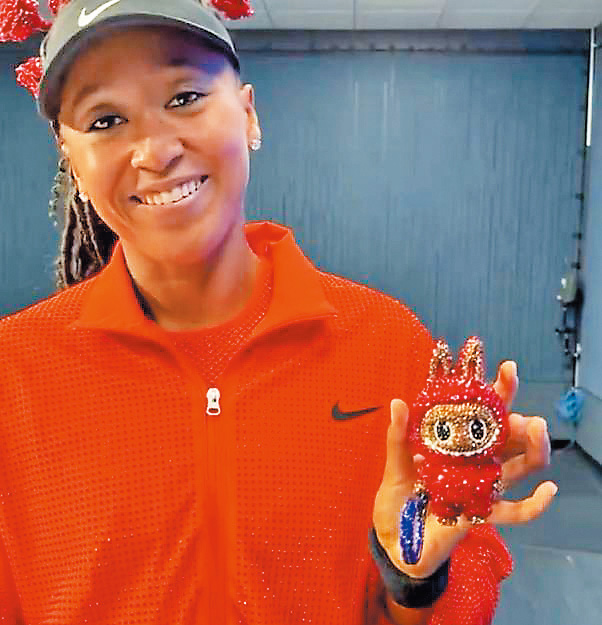
A similar trend is taking shape abroad, with doll clothing orders from North America, South America, Japan, and Southeast Asia steadily on the rise. A prominent representative of this trend is Japanese tennis star Naomi Osaka, who carried custom-made Labubu dolls on her backpack during last year's US Open.
Naomi Osaka brought Labubu dolls to last year's US Open.
Osaka, known for her dashing on-court fashion, brought a different Labubu doll to each match of the tournament. One was covered in red rhinestones and held a blue tennis racket, almost identical to Osaka's own outfit on the day's match.
In China, this practice of styling dolls is called "doll raising," where some collectors groom them as meticulously as they would their own children. They choose clothes, apply makeup, curate scenes, and take "outfit-of-the-day" photos for showing off on social media.
Insiders have pointed out that the doll clothing industry operates similarly to fast fashion, with ever-evolving fashion trends driving a stable demand, and a low-profit, high-volume model that fuels rapid expansion.
According to data from Chinese e-commerce giants Taobao and Tmall, sales of doll clothing-related products doubled year on year in 2024, and the upward trend is yet to abate. In May alone last year, doll clothing on Taobao and Tmall generated over 10 million yuan (HK$11.5 million), suggesting an annual business volume in the hundreds of millions.
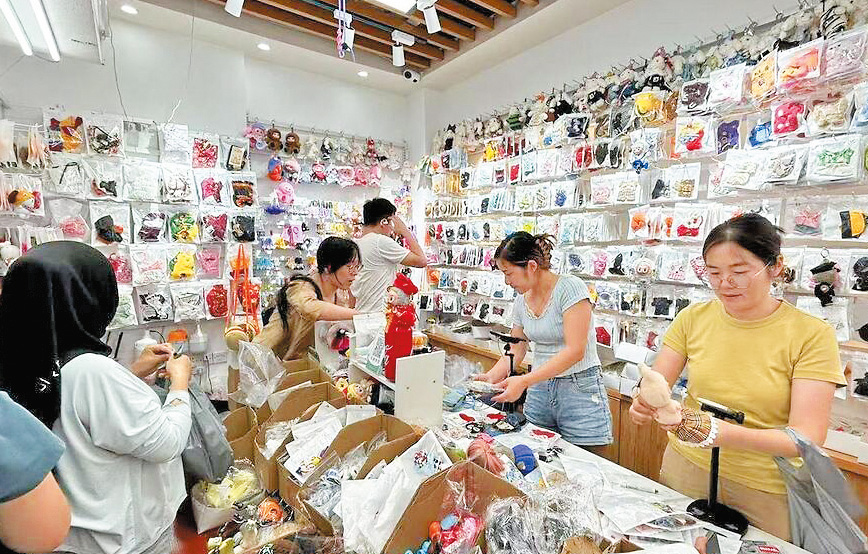
Sales of doll clothing in China continue to rise.
Leveraging the sizzling doll apparel market, some manufacturers in China – most notably in Yiwu, Zhejiang – have pivoted to doll clothing production. As doll apparel requires less materials than humans', the shift helps ease inventory pressures and lower operational risks for manufacturers. Many are able to quickly adapt designs to market demands, with some even launching new styles daily.
The doll-raising rage has sparked copyright concerns, however, as the practice builds upon existing intellectual property. Under mainland law, trendy toy IP is protected by copyright, and unauthorized modifications for commercial use may amount to infringement.