Shares of Pop Mart (9992) plunged over 20 percent despite its newly released robust earnings in 2025.
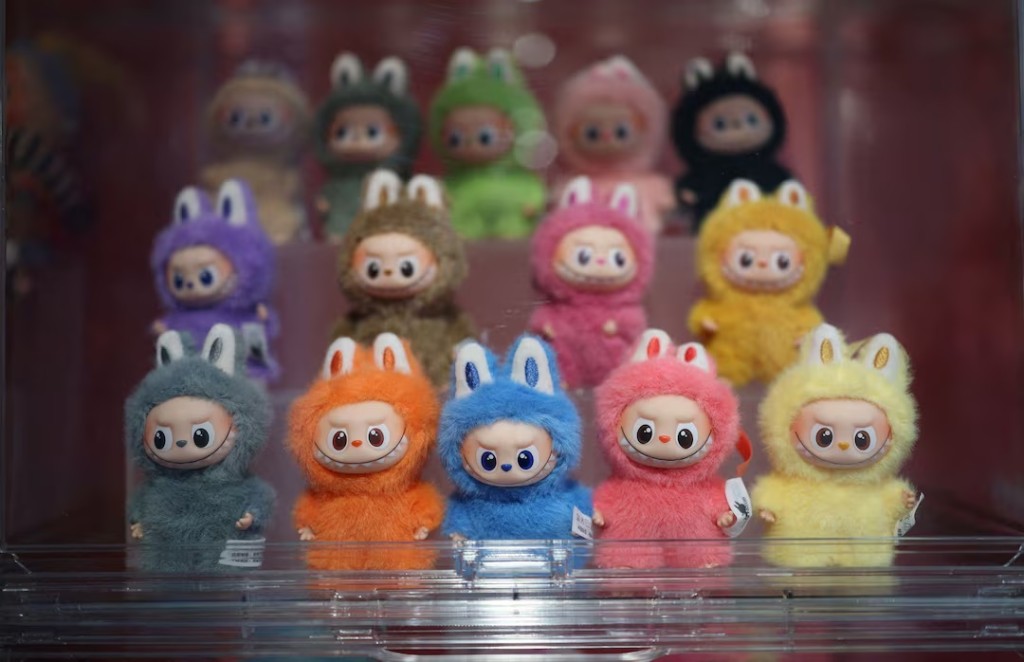
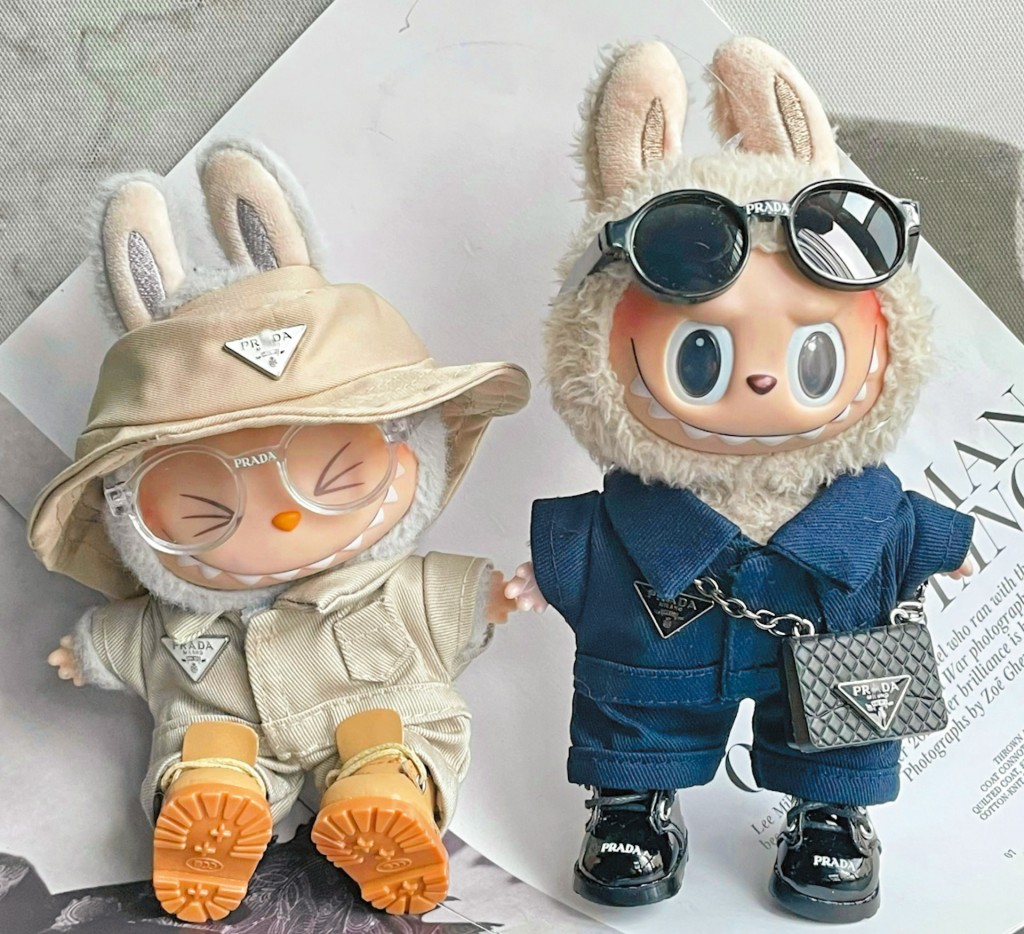
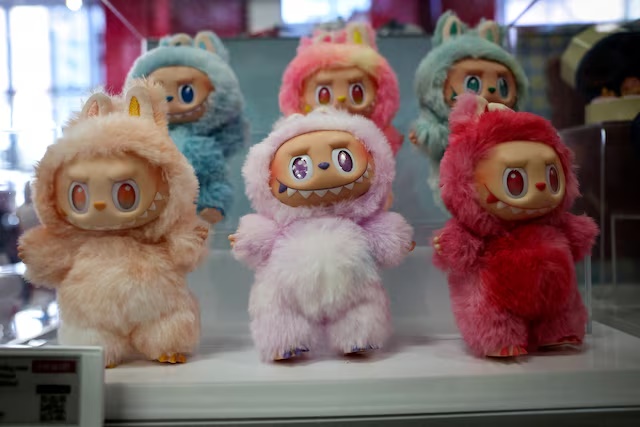
The toy giant saw its net profit surge 3.1 times year-on-year to 12.8 billion yuan (HK$14.5 billion) in 2025, boosted by the strong plush toys demand from its hot "The Monsters" series - including Labubu.
It declared a final dividend of 2.3817 yuan, up 1.92 times from a year ago. Its adjusted net profit jumped 284.5 percent to 13.1 billion yuan.
Revenue for the year also grew 1.85 times to 37.1 billion yuan.
Morningstar analyst Jeff Zhang said the annual revenue and earnings growth missed the consensus estimate from analysts, with a material slowdown in the fourth quarter, amplifying investor concerns about the durability of top intellectual properties.
“Also, a pullback in dividend payout ratio to 25 percent in 2025 from 35 percent in 2024 is another negative to us,” Zhang said.
Wang Ning, Pop Mart’s chairman and chief executive, said the company expects to deliver revenue growth of no less than 20 percent from a year earlier in 2026.
“We won’t pursue overly aggressive growth that boosts revenue at the expense of profitability,” Wang said on a post-earnings call.
In 2025, Pop Mart's income from China reached 20.9 billion yuan, rising 1.35 times, while its overseas revenue surged 2.92 times to 16.3 billion yuan.
At the product level, plush toy sales surged 5.6 times to 18.7 billion yuan, becoming the top revenue contributor for the first time - accounting for half of total revenue. It's followed by figure toys, which generated 12 billion yuan, up 73.3 percent.
In terms of intellectual properties, The Monsters series generated revenue of 14.2 billion yuan, with a growth of 3.66 times. Skullpanda products earned 3.54 billion yuan, rising 1.71 times.
Income from Crybaby and Molly jumped 1.51 times and 38.4 percent, respectively, while Dimoo and Twinkle Twinkle saw sales growth of 2.1 times and 16 times.
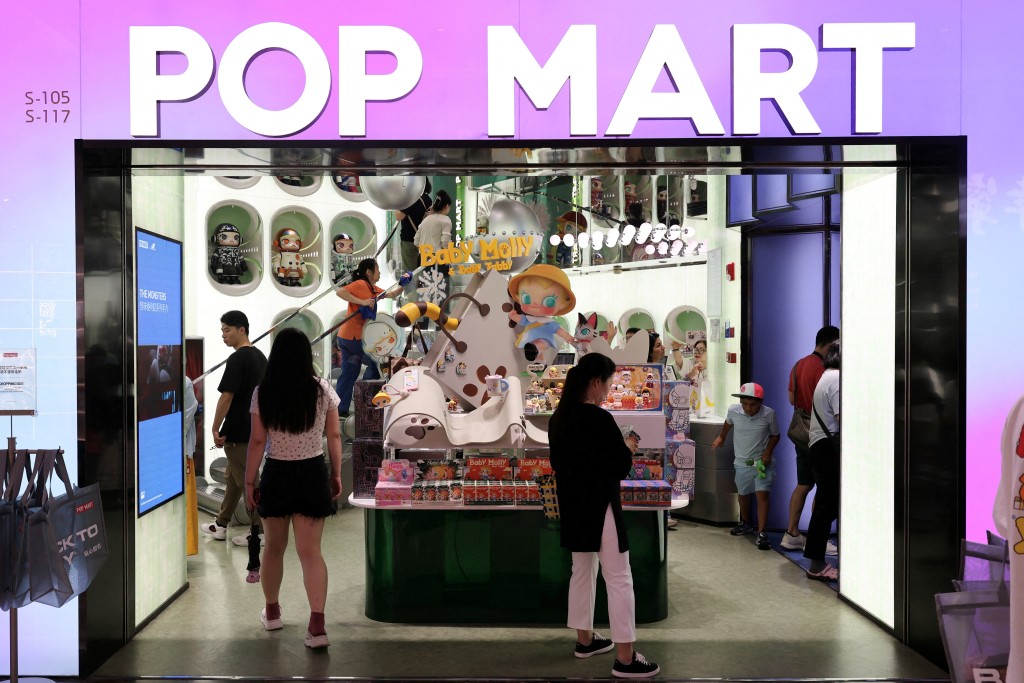
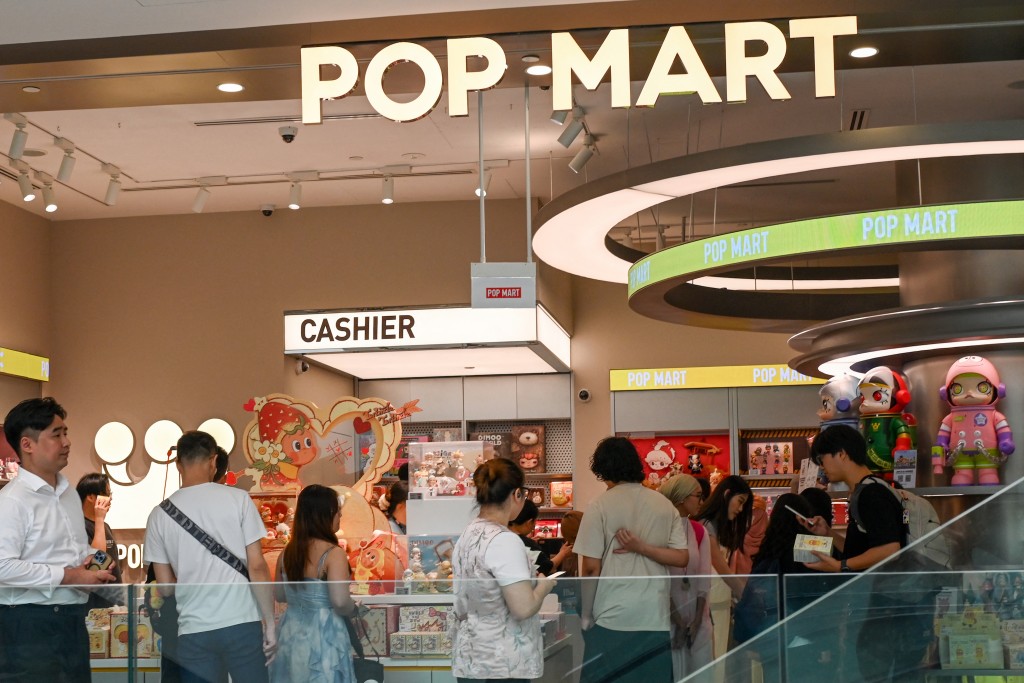
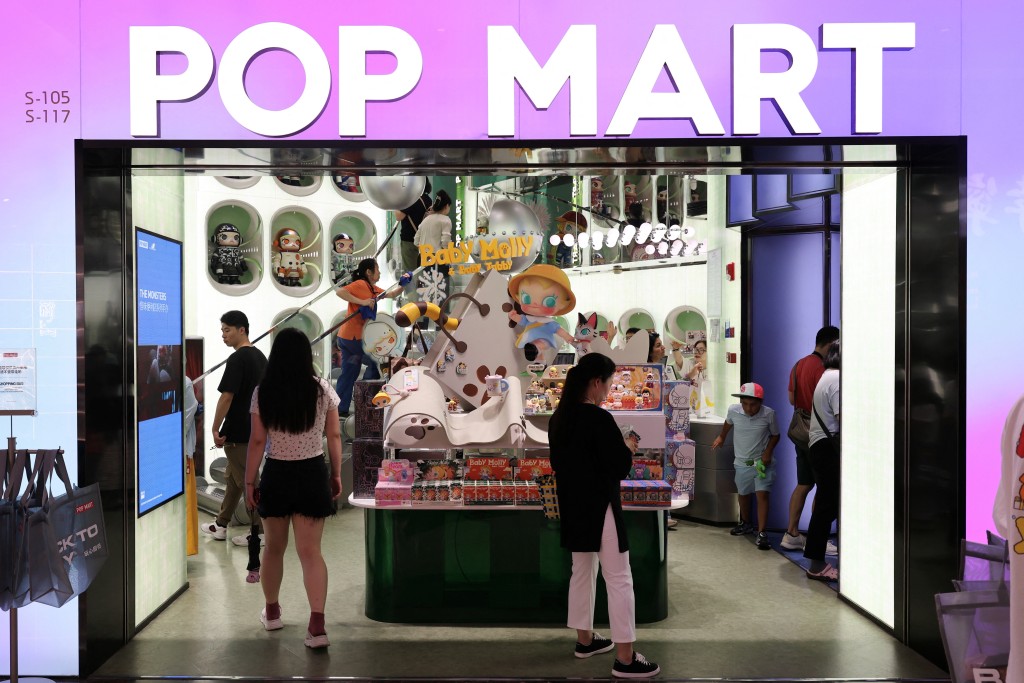
As of the end of 2025, Pop Mart operated 630 stores in 20 countries globally, with a net increase of 109 stores in the whole year. The company had 2,637 roboshops, with a net increase of 165 roboshops.
Looking ahead, the company said it will enrich our IP types and expand our IP matrix, and keep cooperating with artists worldwide, while it is expected to steadily expand its global business footprint, by opening offline channels in landmark locations within more core cities to enhance consumer experience and brand recognition.
Staff reporter and Reuters