Read More
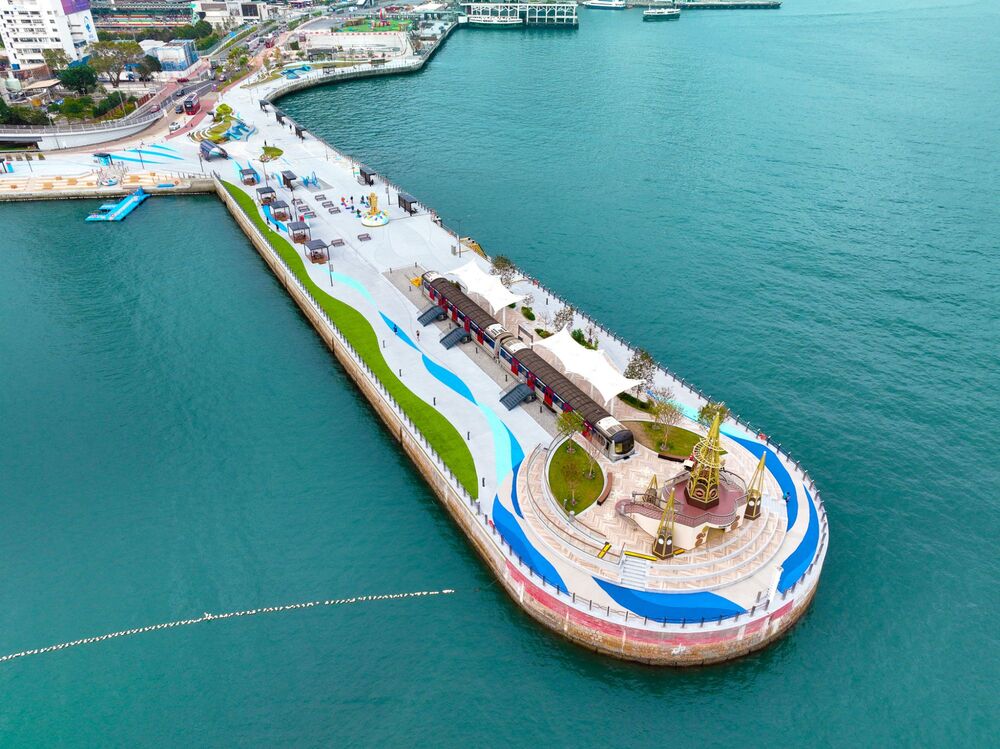
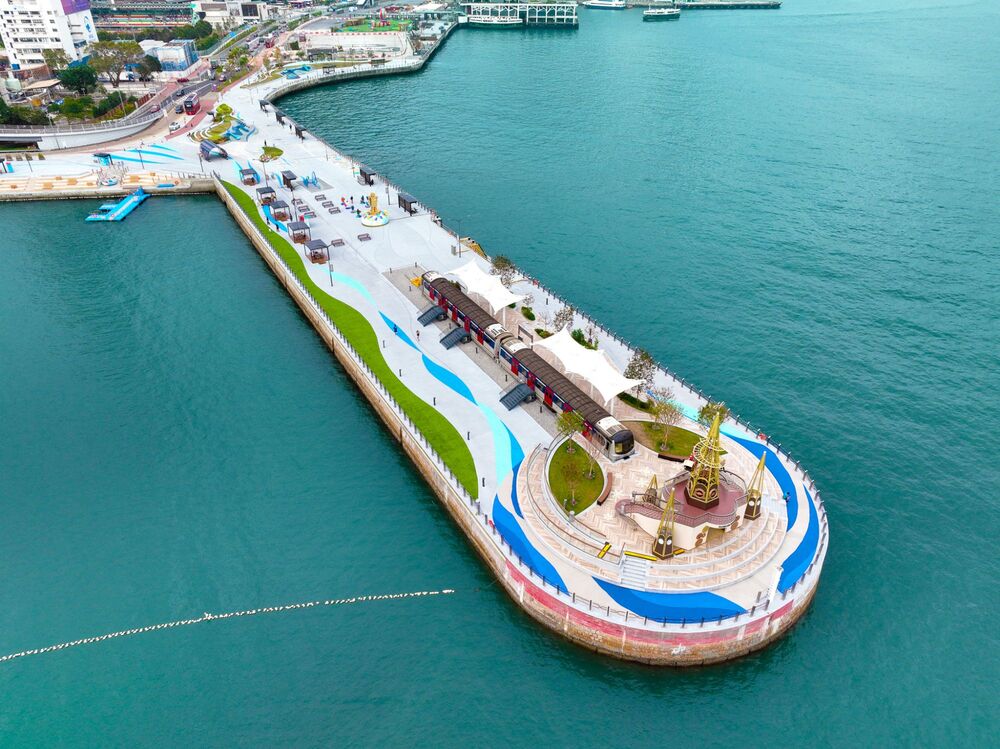
Secretary for Development Bernadette Linn Hon-ho noted that 80 percent of the about 60 kilometers “Round-the-Island Trail” on Hong Kong Island has been linked, featuring augmented reality technology in the trail signage to provide a richer experience with tour information.
ADVERTISEMENT
SCROLL TO CONTINUE WITH CONTENT
In her blog on Sunday, Linn noted the trail project was announced in the 2022 Policy Address to connect the waterfront promenades on the northern shore and several existing promenades and countryside walking trails in the Southern District to improve the city’s liveability.
She stated the Civil Engineering and Development Department (CEDD) had been implementing the project in phases since 2023, aiming to connect 90 percent of the trail by end-2027 and substantially complete the remaining works by end-2031.
Linn noted the trail will feature signage using AR technology, allowing citizens to scan and access the latest project information, route suggestions, highlights, and transportation details.
This will help users select sections based on their preferences, enabling exploration of Hong Kong Island’s beauty, history, and culture.
She added that selfie stations, rest areas, and benches will be installed along the trail to provide convenient photo opportunities and places for visitors to relax.
Ricky Tang Lai-yin, senior engineer of the Development Bureau, stated that this year will see the gradual connection of the eastern section of the East Coast Boardwalk in North Point, the trail from South Bay
Beach to the Chung Hom Kok service reservoir, the trail from Cape D’Aguilar Road to Shek O Beach, and the improved waterfront promenades and walking trails.
Tang stated that this is expected to promote the creation of a livable city and support green tourism, fully implementing the concept of “tourism is everywhere” in Hong Kong.
Another senior engineer of the CEDD, Esther Lou Ching-yee, noted that the overall design of the trail revolves around three main concepts, namely “people-centered and community-inclusive,” “historical culture and Hong Kong characteristics,” and “development and conservation.”
To illustrate, the trail aims to enhance visitors’ connection with the waterfront, link historical heritage and cultural landmarks, and construct sections using sustainable trail concepts and handcrafted pathways in response to the varying conditions of the hiking trails.
(Cheng Wong)