Read More














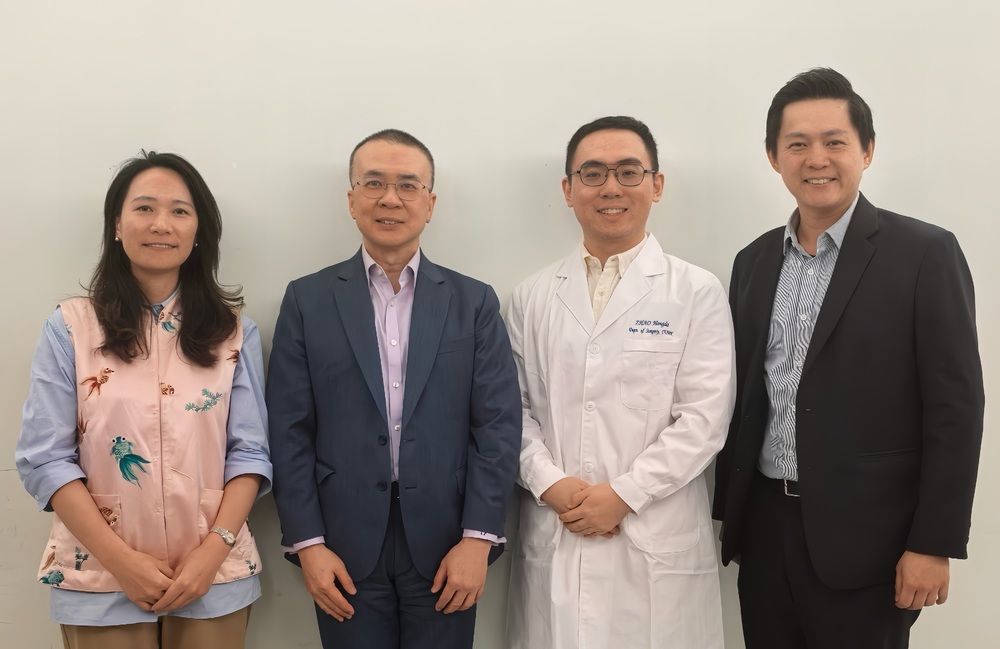
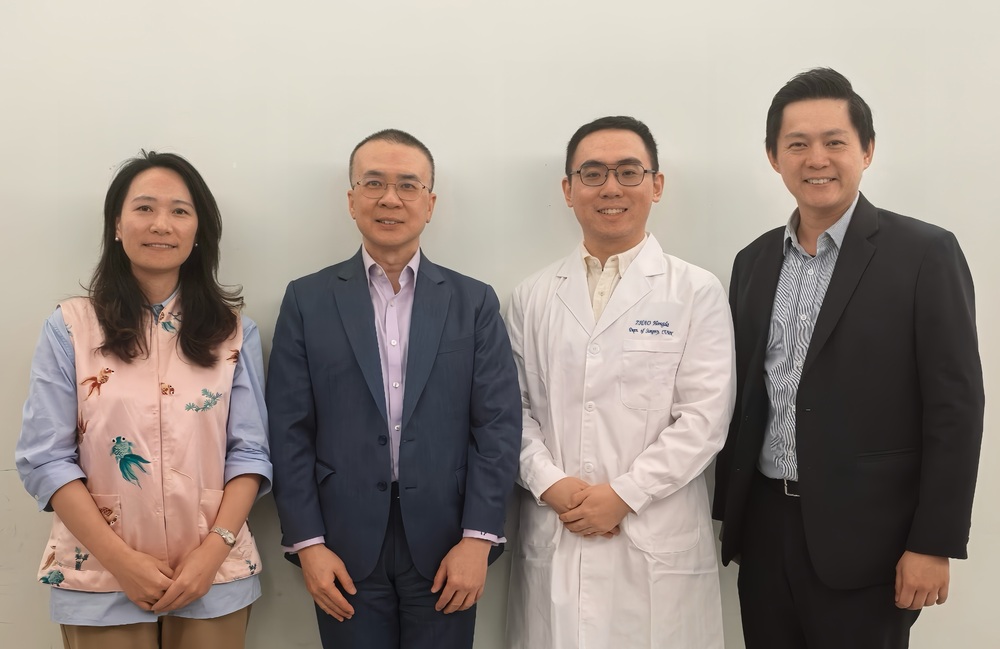
The Chinese University of Hong Kong launched Asia’s first bladder cancer organoid biobank with 36 organoid models, enabling doctors to conduct research and clinical trials to achieve precision treatment.
Bladder cancer is a major urological disease and one of the top ten most common cancers globally. While surgery and chemotherapy are first-line treatments, surgery can easily cause various complications and chemotherapy may induce drug resistance.
To offer new hope for bladder cancer patients, the CUHK team established 36 organoid models using tumor samples from 56 patients within Hong Kong’s public hospital system. This allows doctors to investigate disease mechanisms, study genetic mutations and tumor progression, and conduct drug screening.
“The Asian-based biobank, which is validated by xenograft animal studies and patient clinical treatment outcomes, helps local doctors provide more precise prognoses and treatments,” said Zhao Hongda, the first author and a postdoctoral fellow from the Division of Urology in the Department of Surgery at CU Medicine.
“Bespoke treatments increase the success rate of clinical trials and benefit more patients in Hong Kong and other regions in Asia.”
The team noted that the biobank revolutionizes bladder cancer treatment by enabling rapid in vitro testing of tumor-drug interactions using conventional chemotherapeutic and targeted therapy drugs.
This allows drug sensitivity tests to be completed in one week, eliminating the need for human testing and significantly enhancing safety and effectiveness.
This “test-before-treatment” strategy is faster than traditional trial-and-error methods and extends from laboratory research to local clinical applications.
(Cheng Wong)