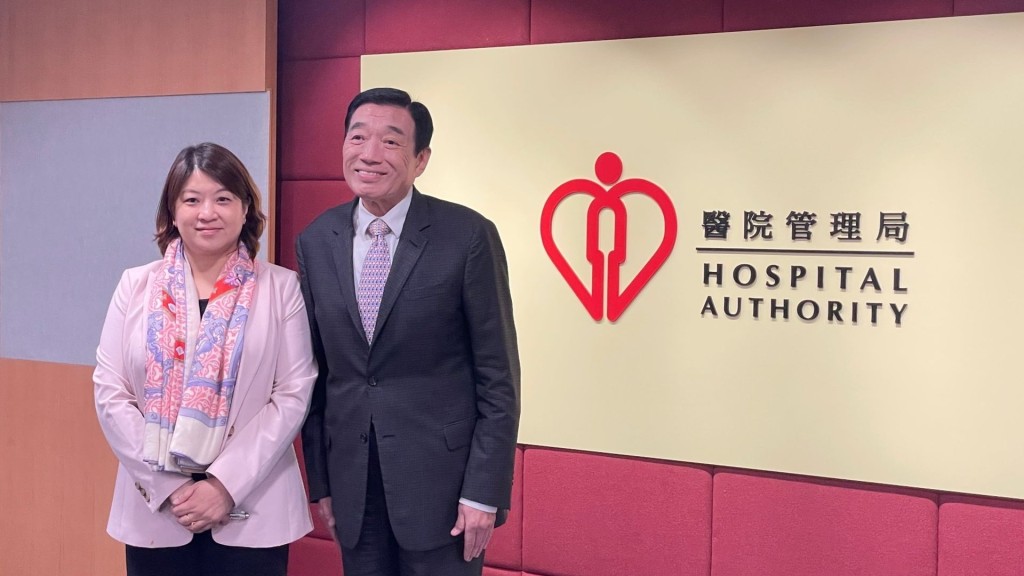
A revised policy targeting well-off public housing tenants is expected to repossess hundreds of flats, Hong Kong Housing Authority Subsidized Housing Committee chairwoman Cleresa Wong Pie-yue said.
In a radio program on Monday, Wong explained that the policy is a “combination of measures” designed to encourage well-off tenants to move out of public housing.
The changes include higher rents for affluent tenants and incentives to help them transition to private housing.
The revised policy, approved on March 21, requires tenants to vacate their public housing units if their household income exceeds five times the prevailing public rental housing income limits or if their total assets are more than 100 times the limit.
Tenants with incomes between two to five times the limit will face higher rents up to 4.5 times the net rent plus rates.
“Well-off tenants are the more capable group of public housing tenants with relatively stable income. The new policy will encourage them to transition out of public housing while streamlining administrative rules,” Wong said.
For example, tenants who buy subsidized flats under the “white form” scheme or private properties can stay in their public housing units until their new homes are ready, avoiding the hassle of finding temporary accommodation.
Wong estimated that the changes could free up several hundred public housing units, particularly for the highest-income group.
Lawmaker Lo Wai-kwok, a member of the committee, called the policy “spicy yet sweet”, noting that while rents have increased, wealthier tenants can still afford the adjustments.
In another radio program, he praised the policy allowing tenants who voluntarily vacate their units to retain their Green Form Status for four years, calling it a "more humane" measure.
However, concerns have been raised about potential loopholes as some reports suggest tenants may seek salary reductions to avoid higher rents.
Lo criticized such actions, pointing out that private housing options are becoming more stable and diverse, offering better alternatives for wealthier tenants.
(Ayra Wang)
SINGTAO