Read More









Six senior counsel appointed
31-03-2026 13:54 HKT

Approval granted for Kai Tak’s six-stop Smart & Green Mass Transit System
31-03-2026 16:27 HKT


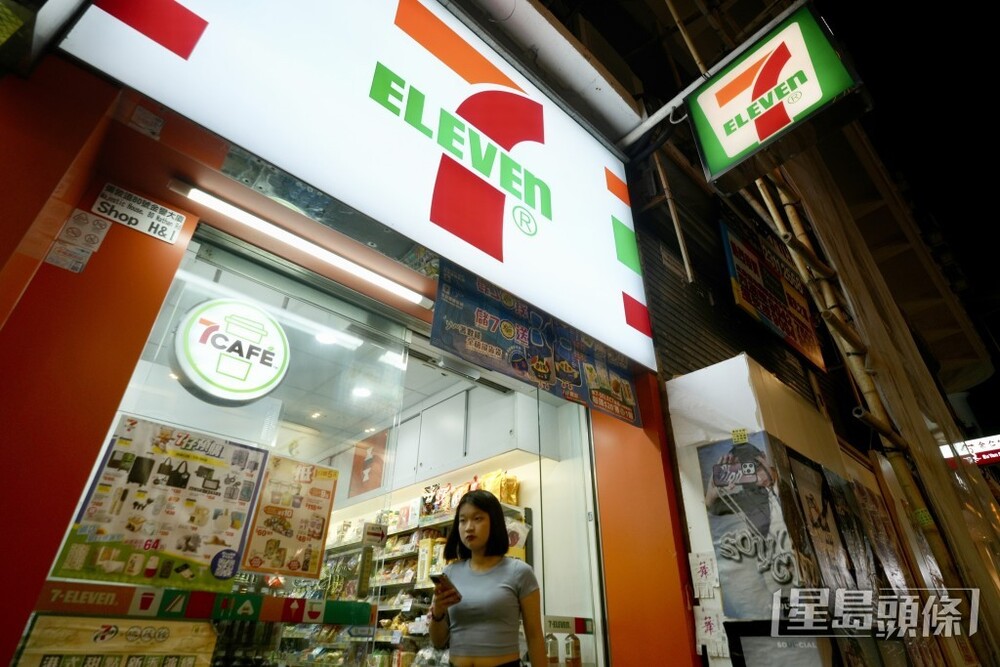
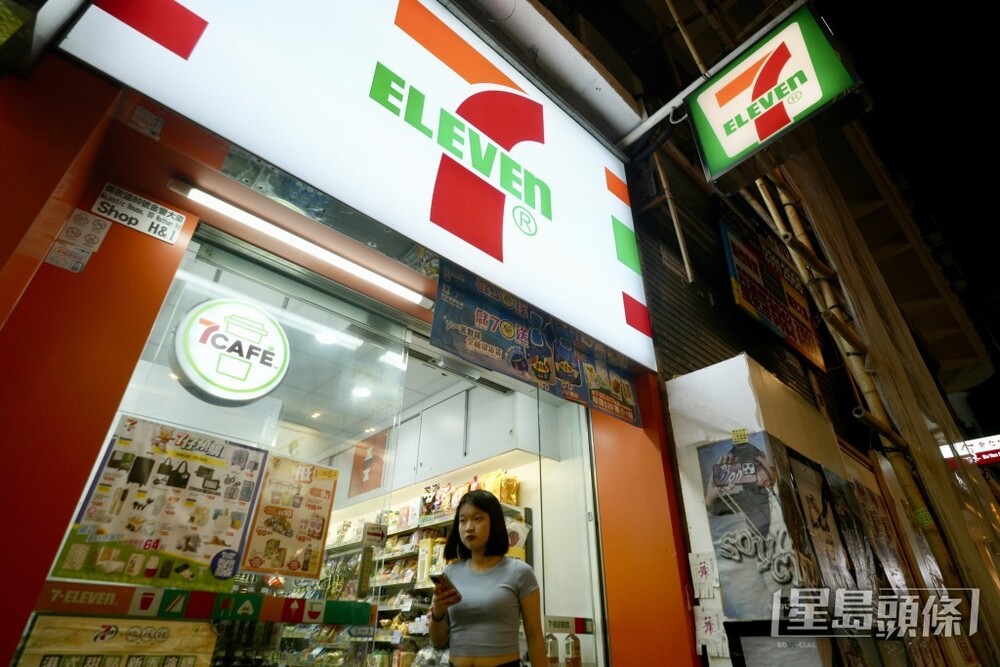
Actor Kaki Sham Ka-ki recently sparked a heated online debate by sharing his views on the legitimacy of consuming food in a store before paying for it.
In a post on social media platform Threads, Sham expressed his belief that enjoying food or drinks in a store does not constitute theft or property damage, provided that payment is made before leaving.
The post received mixed reactions from the online community. Some pointed out that few Hong Kong residents engage in such behavior, while others mentioned hearing about it but never witnessing it themselves. Following an intense discussion, Sham deleted the post.
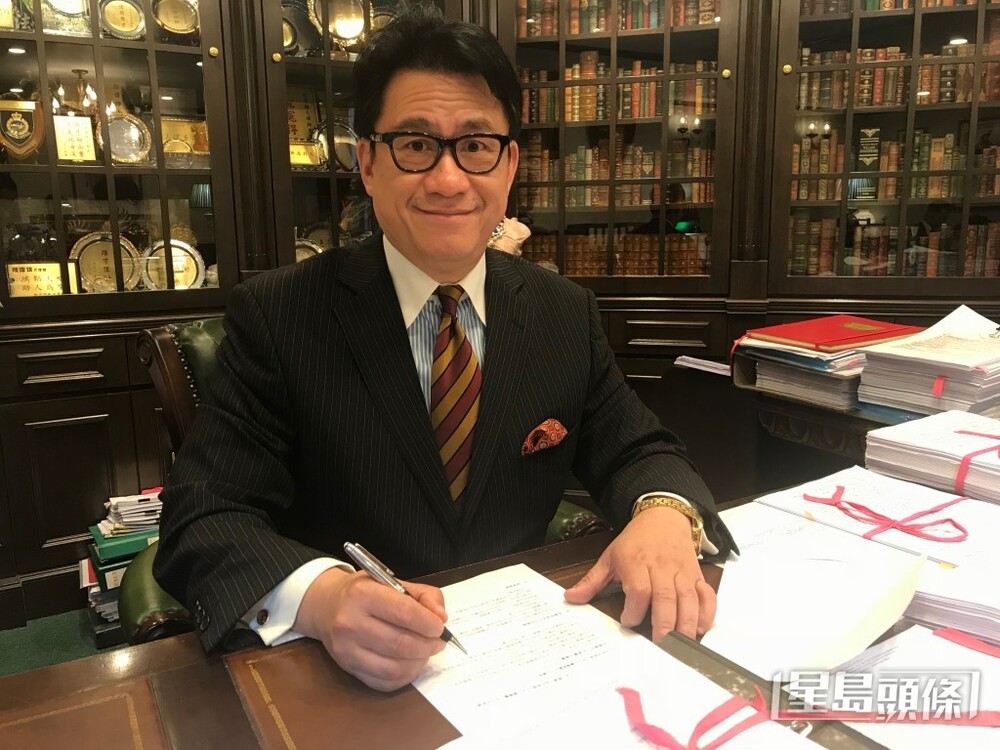
In response to the controversy, barrister Albert Luk Wai-hung clarified the legal implications in an interview with Sing Tao Daily, The Standard’s sister publication, stating such behavior could be illegal.
Luk cited the Theft Ordinance (Cap. 210), Section 2(1), which addresses that consuming an item without payment could be considered as dishonestly appropriating property belonging to another with the intention of permanently depriving the other of it.
As the items displayed in stores are meant for selection, Luk noted that whether a customer has left the store or not is an objective factor that does not affect the legal judgment of the act.
Luk further explained that the act of consuming products without prior payment is an offense because it involves taking property without the owner's consent, adding that there should be a universal understanding that goods must be paid for at the checkout before consumption.
Regarding the legality of stores requiring customers to pay significantly higher amounts for consumed items, Luk believes that it depends on the amount, noting that if a store demands tenfold compensation or threatens to report the customer, it could be considered extortion or blackmail, which are illegal.
However, if the store only charges an additional fee or the original price as a penalty, Luk believes it is not illegal because the owner's intent is to offer the offenders a chance.
Under the Theft Ordinance (Cap. 210), Section 2(1), anyone committing theft by dishonestly appropriating property belonging to another with the intention of permanently depriving them of it could face up to ten years imprisonment.