Read More










The head of Hong Kong’s anti-smoking watchdog has called for a ban on the use of e-cigarettes to combat “space oil” drugs.
Speaking on a radio program on Tuesday, Henry Tong Sau-chai, chairman of the Hong Kong Council on Smoking and Health, highlighted that e-cigarettes, which can be used to inhale "space oil," are easy to conceal, making detection challenging.
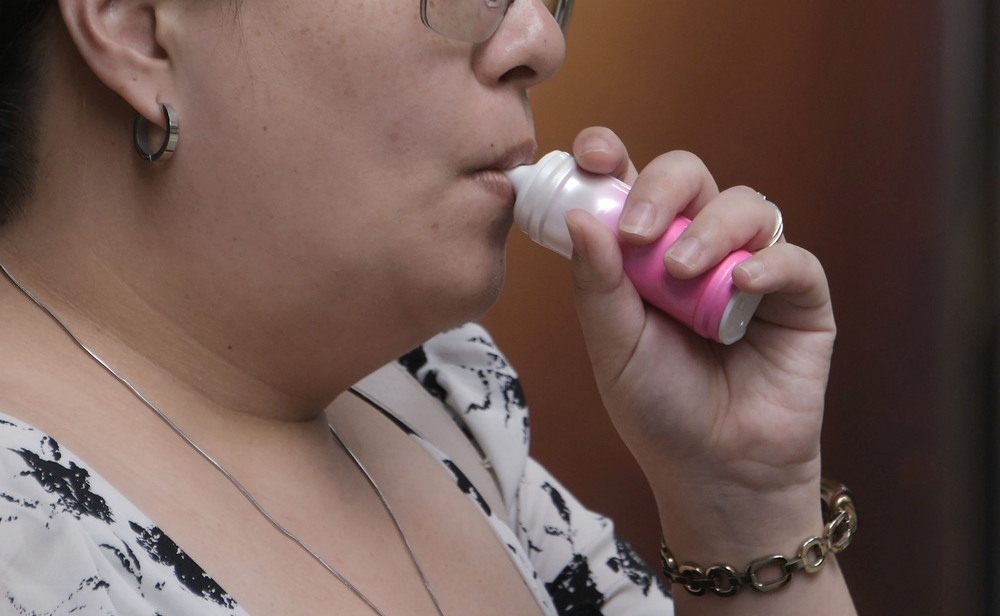
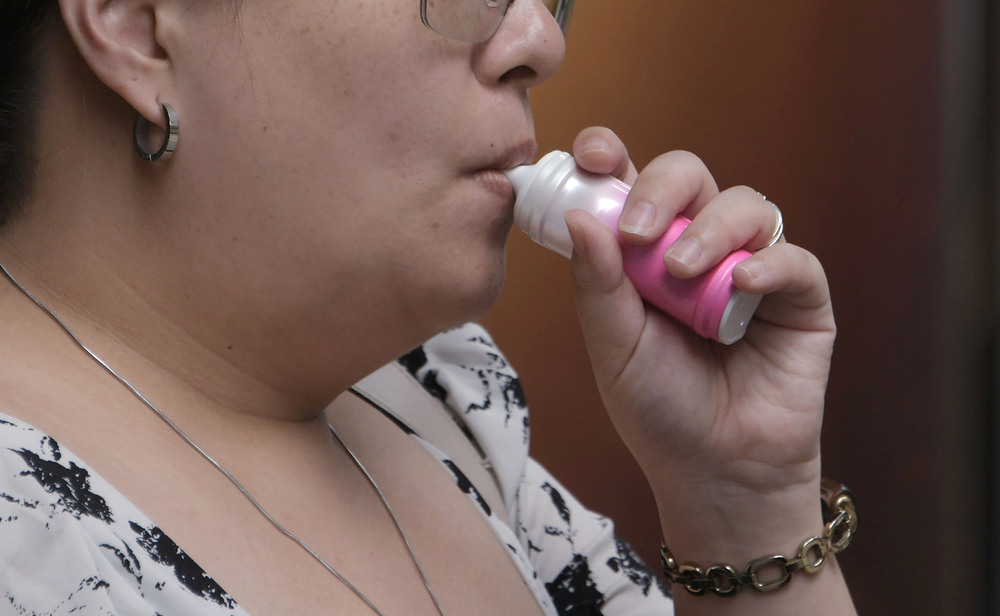
“The design of e-cigarette devices look a lot like toy keychains, USB drives, stationery, or even a pen, making it hard for parents and teachers to distinguish them,” Tong said.
“If only e-cigarette cartridges are banned but not the devices themselves, both young people and adults can still possess these devices, which may tempt them to purchase ‘space oil’ drugs through illegal means.”
He added that, even with legislation to ban e-cigarettes, the grace period should be as short as possible, as the harm caused by both drugs and smoking is extremely severe.
According to government data, 300 space oil users were recorded last year, 75 percent of them aged below 21, and most cases occurred in Tuen Mun, Yuen Long and the North District.
Ng Sing-chin, chairman of the Tuen Mun District Secondary School Heads Association, attributed the relatively high number of cases in these three districts to the larger student population.
He emphasized that observations by teachers and peer support among students play a primary role in identifying cases of “space oil” drug use, rather than relying solely on testing.
Still, the educator suggested enhancing the Healthy School Programme, a school-based anti-drug initiative, in which students voluntarily undergo drug screening. He said testing for “space oil” can be added to those voluntary tests.
David Ng Ka-shun, executive director of the Community Drug Advisory Council, said around half of the secondary schools in Hong Kong are participants of the program, with very few drug use cases detected.
“So far, there have been no positive cases identified in the Healthy School Programme. Participating schools report zero to one or two cases per year, indicating that the likelihood of severe cases is relatively low.”
(Jamie Liu)